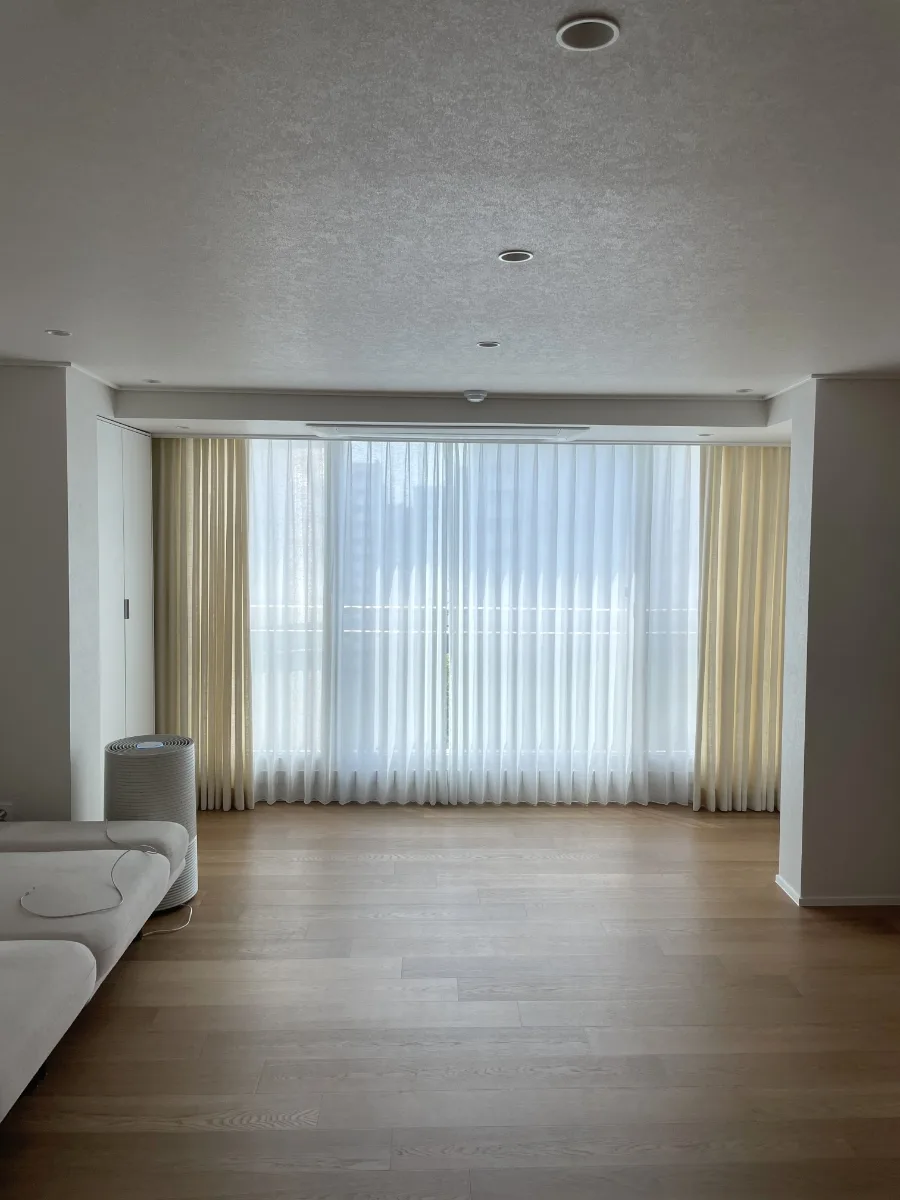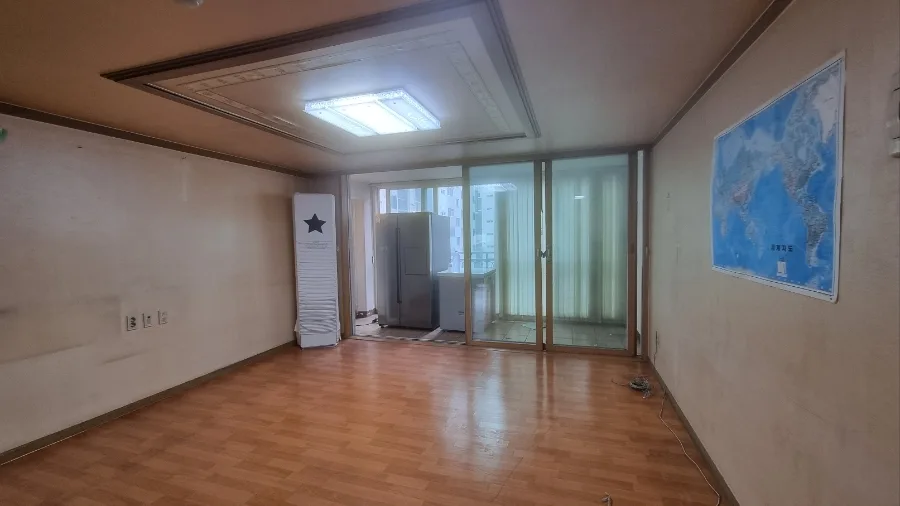
In 2026, the demolition phase for Korean apartment renovations is more than just tearing down walls; it's the critical first step that dictates the success and cost of your entire remodel. Properly identifying and removing outdated fixtures and finishes is essential for incorporating the latest interior design trends and boosting your property's value.
Why is Demolition Crucial for Korean Apartment Renovations in 2026?
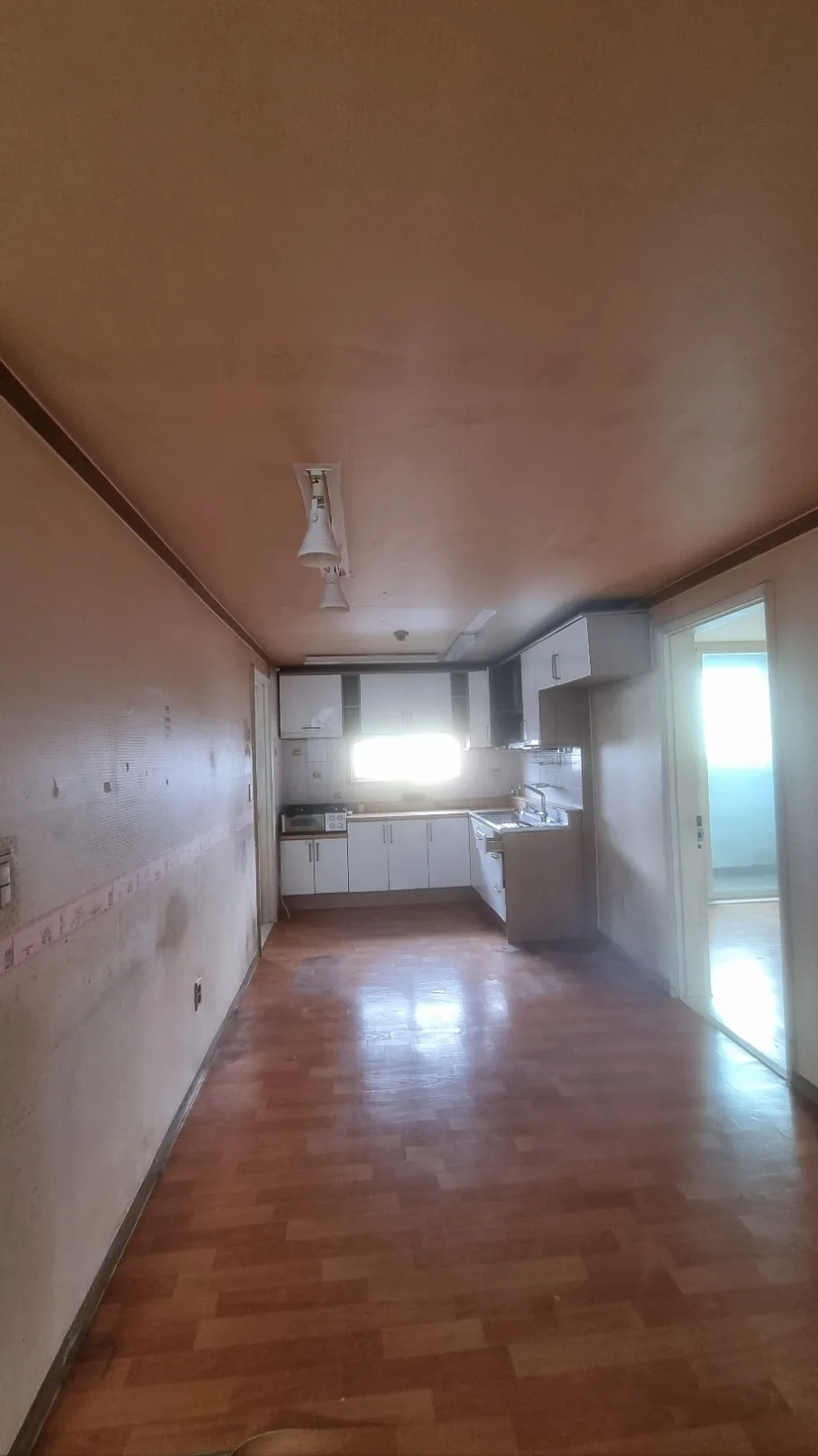
Older Korean apartments, like those in the Hanam Dongil complex, often require significant updates to their internal systems and finishes. To achieve modern aesthetics such as open-plan kitchens, seamless wall designs, or integrated lighting, a thorough understanding of the existing structure is vital. This means carefully deciding what to keep and what to remove. For instance, kitchen sink demolition requires a close inspection of the main and intermediate water valves, as older units may have corroded or stuck valves, necessitating professional plumbing assessment to prevent leaks and costly repairs.
What to Watch Out For During Korean Interior Demolition
When removing built-in cabinets or shoe racks, it's crucial to inspect the underlying walls for moisture or mold, which can lead to future wallpaper issues. For flooring, especially with the growing popularity of luxury vinyl plank (LVP) or tile, ensuring the subfloor is level and free of cracks after removing old materials is paramount. Many older Korean apartments have uneven subfloors, and addressing this during demolition prevents costly complications during the installation of new flooring.
Key Considerations When Selecting a Demolition Contractor in Korea
Choosing the right demolition contractor is key to a smooth renovation. Don't just compare prices; evaluate their scope of work, waste disposal practices, site cleanup capabilities, and expertise in handling plumbing and electrical systems. For older buildings, selecting a contractor who can expertly manage unexpected issues is vital. We, at Hyungje Demolition & Plumbing, pride ourselves on our comprehensive service, from initial consultation to post-demolition cleanup, ensuring a stress-free start to your renovation project.
Common Mistakes to Avoid in Korean Interior Demolition
A frequent mistake is starting demolition without a clear plan, leading to unnecessary costs and project delays. Partnering with contractors lacking the expertise to handle unforeseen problems, such as damaged plumbing or electrical lines, is another significant pitfall. Furthermore, inadequate waste disposal or poor site cleanup can result in neighbor complaints and additional expenses. We prevent these issues by conducting detailed consultations to understand your needs and providing a complete service that includes thorough site cleanup.
For more detailed demolition insights, check the original source below.