Planning an apartment remodel in the US? Discover how Korean interior design principles, focusing on minimalism and smart functionality, can transform your living space. This guide explores the rising 'Korean apartment aesthetic,' blending practicality with modern trends, and shows you how to achieve a similar look using accessible US brands and design concepts. Learn how to create a harmonious and stylish home that feels both spacious and personal.
What is the Korean Apartment Aesthetic? 2026
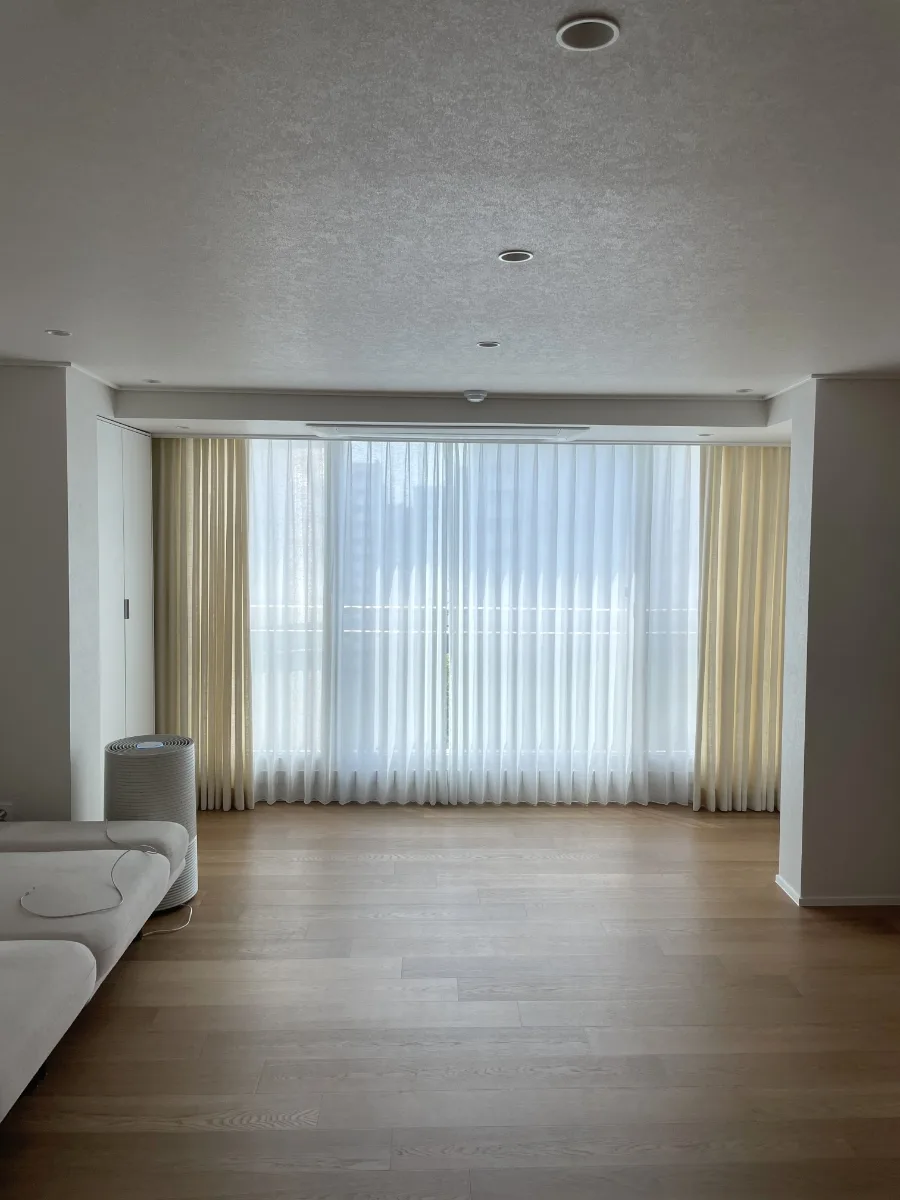
The 'Korean apartment aesthetic' is gaining traction in the US, characterized by its emphasis on minimalism, functionality, and a sense of calm. Unlike Western styles that might favor bold statements, K-interior prioritizes clean lines, natural materials, and a clutter-free environment. Think of it as a sophisticated blend of Scandinavian simplicity and Japanese Wabi-Sabi, with a unique Korean sensibility. This approach focuses on creating spaces that are not only visually appealing but also highly practical for everyday living. It’s about maximizing space, optimizing flow, and incorporating smart storage solutions. Many US consumers are drawn to this style because it offers a serene escape from busy modern life, creating a sanctuary that feels both personal and universally appealing. Brands like MUJI, IKEA, and CB2 offer pieces that align with this minimalist philosophy, making it achievable for American homeowners.
How to Achieve Korean Minimalism in Your Home
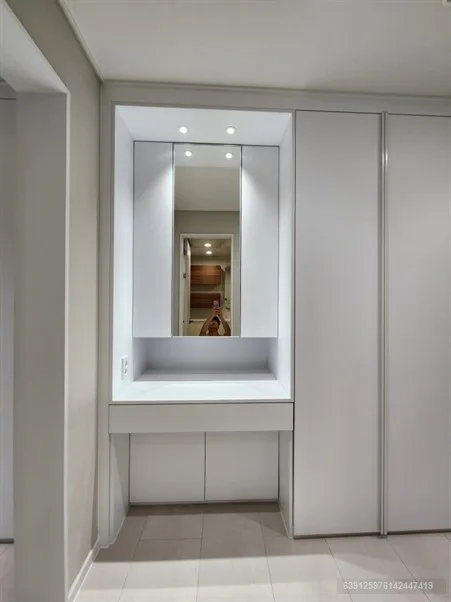
Achieving a Korean minimalist interior involves a strategic approach to design and material selection. Start by decluttering and focusing on essential furniture pieces that are both functional and aesthetically pleasing. Opt for a neutral color palette—whites, grays, beiges, and soft earth tones—to create a serene backdrop. Incorporate natural materials like light-colored wood, stone, and linen to add warmth and texture. Smart storage is key; consider built-in cabinets, floating shelves, and multi-functional furniture to keep clutter out of sight. Lighting plays a crucial role, with a preference for soft, ambient light over harsh overhead fixtures. Korean design often features low-profile furniture, such as floor seating or minimalist bed frames, to enhance the sense of spaciousness. For US homeowners, this translates to looking for pieces with clean silhouettes and natural finishes, readily available at stores like West Elm, Amazon, or even through custom cabinetry solutions.
What Are the Benefits of Direct Construction Systems in Home Remodeling?
Direct construction systems, often seen in Korean remodeling firms, offer significant advantages for US homeowners undertaking renovations. Unlike traditional models that involve multiple subcontractors and agents, a direct system means the remodeling company manages the entire process from design to execution with its own skilled teams. This approach minimizes intermediary markups, leading to more cost-effective pricing—potentially saving you 10-20% on the total project cost. Furthermore, it enhances quality control. When a single entity is responsible for both design and construction, communication is streamlined, and accountability is clear. This leads to fewer misunderstandings, better adherence to the design vision, and a higher standard of finishing. For instance, a firm managing its own crews ensures that the craftsmanship meets their specific quality benchmarks, from initial demolition to the final paint coat. This integrated approach also simplifies the process for the homeowner, providing a single point of contact for all concerns and a more predictable project timeline.
What to Consider Before Hiring a Korean Interior Designer
Before engaging a designer or firm specializing in Korean interior design for your US home, careful consideration is essential. Clearly define your lifestyle and specific needs. Are you looking for enhanced storage, a more open-plan living area, or a specific minimalist aesthetic? Communicate these requirements precisely. Review the designer's portfolio to ensure their style aligns with your vision and that they have experience with projects similar in scope and budget. Always request a detailed breakdown of the proposed budget, including material costs, labor, and any potential contingency funds. Understand the payment schedule and what is covered under the warranty or after-service (A/S) policy. Inquire about the typical project timeline and the communication process during the renovation. A good designer will be transparent about potential challenges and offer solutions. Don't hesitate to ask about their experience with sourcing materials available in the US or their ability to adapt Korean design principles to your local building codes and material availability.
English crawl path
Next English reads from this pilot cluster
Continue through the category hub, latest English stories, and related posts so this translated article is not an isolated URL.
Tags
💬Frequently Asked Questions
What should I check first in Korean Apartment Remodeling Guide 2026: Design Trends?
Does this Home & Interior article link back to the Korean source?
Where can I find similar English stories?
English discovery path
Explore more English K-culture stories
Keep browsing the indexed English pilot cluster so Google and readers can move between this story, the category hub, and fresh discovery pages.
Original Source
Read the Korean original