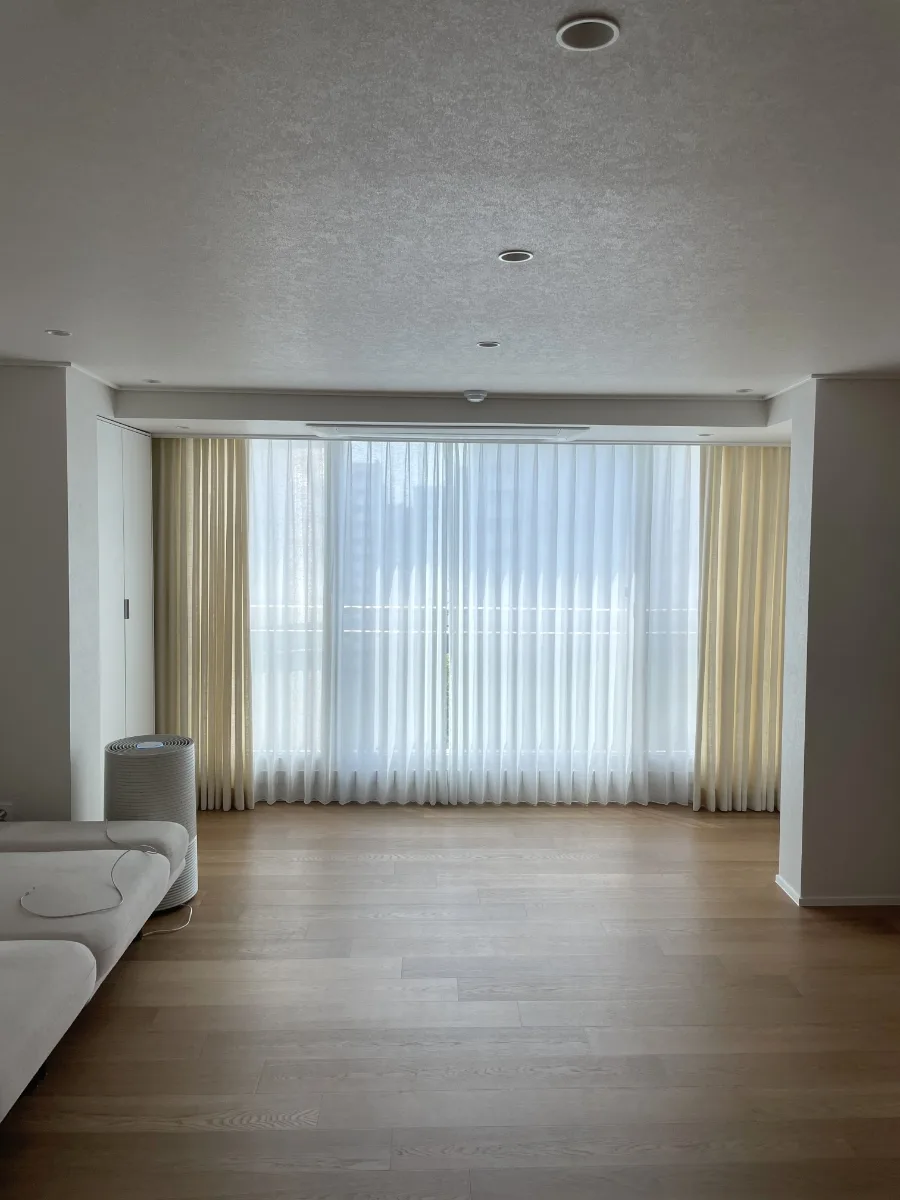
Transforming a 32-pyeong (approx. 1,100 sq ft) Korean apartment living room into a study-style home cafe in 2026 involves maximizing space with custom furniture. Solutions like integrated bookshelves, platform seating, built-in benches, and storage dining tables create a functional yet comfortable environment, blending storage efficiency with relaxation.
How to Create a Study-Style Home Cafe in a 32-Pyeong Apartment?
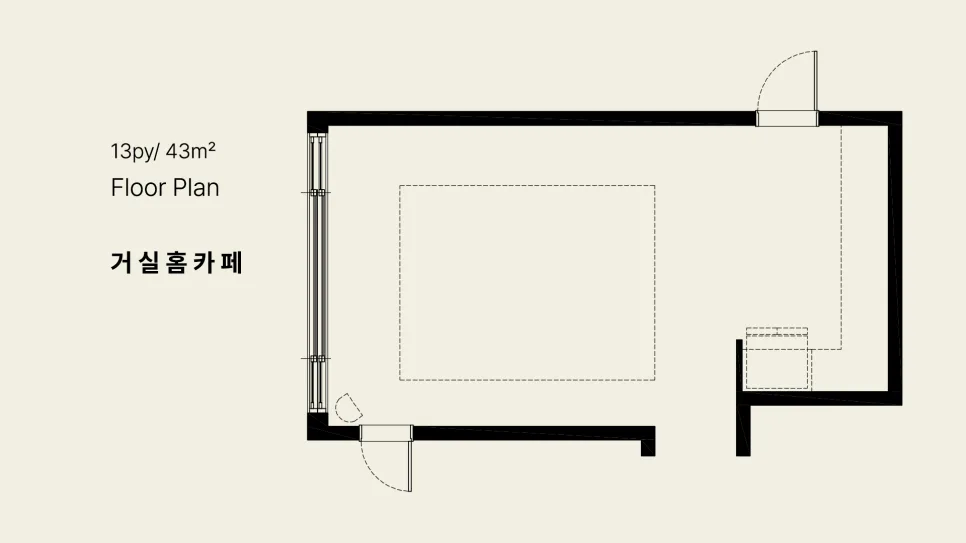
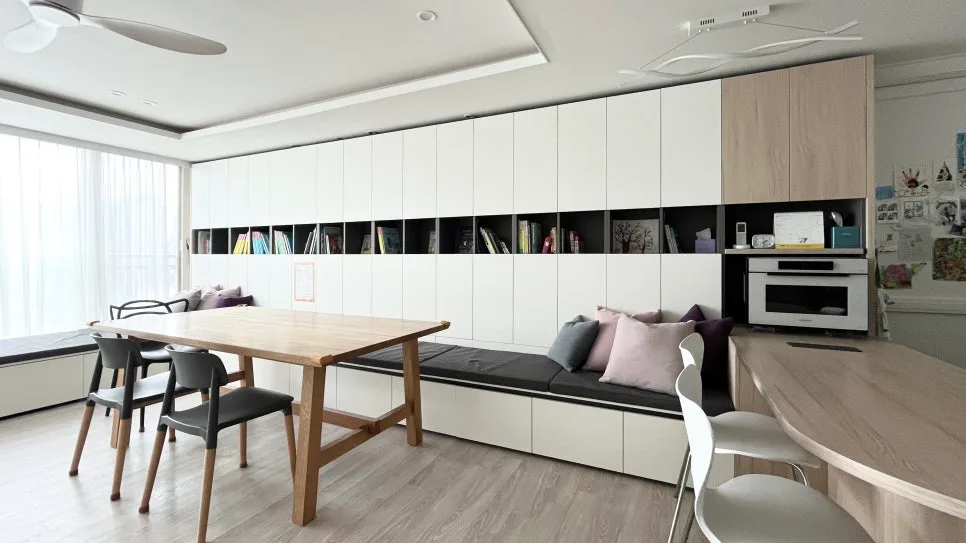
To convert a 32-pyeong (around 1,100 sq ft) apartment living room into a study-style home cafe, understanding the space's unique characteristics and implementing custom furniture design is key. Rectangular living rooms, often longer than they are wide (e.g., 15ft x 27ft), require strategic furniture placement for optimal space utilization. Concepts like 'storage aesthetics' are crucial, focusing on systematic storage solutions integrated directly into the design. This can involve installing a large, wall-to-wall bookshelf unit to efficiently store numerous books and items. Along the window side, consider a platform seating area with built-in wheeled storage underneath, creating a cozy spot for family relaxation. Seamlessly connecting to this, a built-in bench in front of the bookshelf allows family members to comfortably sit and use a table for activities or meals. Finally, in the dining area between the living room and kitchen, a round storage dining table for a family of five can complete the space. These custom designs are typically realized through detailed 2D floor plans, sketches, and 3D modeling to ensure a perfect fit for the actual space.
What to Consider When Choosing Custom Furniture for a Study-Style Living Room?
When selecting custom furniture for a study-style living room, several key factors should guide your choices. First, prioritize storage efficiency. Assess the types and quantities of items you need to store—books, documents, home cafe supplies—and choose furniture with appropriate shelving, compartments, and drawers. Strategic placement, with frequently used items easily accessible and less-used items stored away, is vital for workflow. Second, consider the harmony with your space. For a 32-pyeong apartment, selecting furniture that is appropriately sized and designed is crucial to avoid making the living room feel cramped. Opting for lighter colors and slimmer designs can visually expand the space. Third, focus on comfort and functionality. A study-style living room often serves as more than just a reading nook; it's a space for relaxation and hobbies. Ensure comfortable seating, like benches or platform seating, and consider integrated lighting solutions that reduce eye strain during work or study sessions. Finally, choosing a reputable custom furniture maker is essential. Thoroughly review their portfolio, client testimonials, and ensure clear communication throughout the design, fabrication, and installation process for a satisfactory outcome.
What Potential Issues Can Arise During Custom Furniture Design and Fabrication?
During the custom furniture design and fabrication process, unexpected challenges can emerge, making it important to be aware of and prepared for them. A common issue is discrepancies in spatial measurements during the actual installation. Even with perfect 2D or 3D plans, slight variations in the room's structure, like uneven walls or hidden architectural features, can affect the furniture's fit. To mitigate this, conduct thorough on-site measurements multiple times before fabrication and maintain close communication between the designer and the installation team. Material selection also requires careful attention. Aesthetically pleasing materials might lack durability or be difficult to maintain in the long run. It's crucial to select materials that are suitable for their intended use, durable, and easy to care for, while also considering eco-friendly options. Lastly, fabrication delays can occur due to complex designs or supply chain issues with specific materials. Clearly defining the estimated production timeline and outlining procedures for handling delays in the contract is essential. Addressing these potential problems proactively with expert consultation will lead to a more satisfying custom furniture experience.
What Are Key Considerations for Utilizing Study-Style Living Room Furniture?
To effectively utilize furniture in a study-style living room, several points are worth noting. Firstly, avoid excessive storage that can make the space feel cluttered and cramped. While maximizing storage is a goal, ensure that visually, it doesn't overwhelm the room. Regularly declutter unnecessary items and store less-frequently used belongings out of sight. Secondly, thoughtful lighting design is crucial. Since this space is often used for reading or focused work, adequate lighting is essential to prevent eye strain. Incorporate ambient lighting along with task-specific lighting, such as desk lamps or adjustable floor lamps, to create a comfortable and functional atmosphere. Thirdly, consider ventilation and air circulation. A room filled with furniture can impede airflow, potentially leading to issues like mold or condensation. Ensure regular ventilation by opening windows and allow some space around the furniture for air to circulate. Finally, personalize the space according to your lifestyle. Rather than simply following trends, arrange and utilize the furniture in a way that genuinely reflects your daily habits and preferences to enhance overall satisfaction.
English crawl path
Next English reads from this pilot cluster
Continue through the category hub, latest English stories, and related posts so this translated article is not an isolated URL.
Tags
💬Frequently Asked Questions
What should I check first in Korean Apartment Living Room Design 2026: Custom Furniture Guide?
Does this Home & Interior article link back to the Korean source?
Where can I find similar English stories?
English discovery path
Explore more English K-culture stories
Keep browsing the indexed English pilot cluster so Google and readers can move between this story, the category hub, and fresh discovery pages.
Original Source
Read the Korean original