Dreaming of a stylish Korean apartment makeover? In 2026, the focus is on minimalist aesthetics, blending regional charm with modern functionality. This guide breaks down the key trends for creating your own K-interior oasis, perfect for American homes inspired by Seoul's design scene.
What's Trending in Korean Apartment Interiors?
Korean apartment interiors are evolving beyond just aesthetics, emphasizing a fusion of modern design with unique regional touches. The goal is to maximize both functionality and comfort for residents. We're seeing a growing trend of harmonizing traditional Korean elements with contemporary styles, creating spaces that feel both deeply personal and globally relevant. For instance, color palettes might draw inspiration from Korea's natural landscapes, or traditional patterns could be reinterpreted with a modern twist. This approach adds depth and narrative to a home, offering a richer living experience. Think of it as 'K-interior' – a style that's both chic and deeply rooted.
This design philosophy extends to highly personalized spaces that cater to individual lifestyles. It’s not just about looking good; it’s about creating an environment that genuinely enhances daily living. Whether you're in Busan or Brooklyn, incorporating these trends can bring a sense of calm and sophistication to your home. Consider how elements like natural light, strategic material choices, and a clean layout can transform your living space into a personalized sanctuary, reflecting your unique story and preferences.
How Are Kitchens Evolving for Better Family Connection?
Kitchens in modern Korean-inspired homes are transforming from mere cooking zones into central hubs for family interaction. Open-concept layouts and efficient workflows are key, allowing for seamless communication while preparing meals. The trend favors bold use of color and unique material combinations to create a distinctive atmosphere. Imagine a kitchen with matte, muted cabinetry paired with vibrant tiles, or a natural wood island that injects warmth and sophistication. Smart kitchen appliances and built-in systems are also crucial for maintaining a clean, functional aesthetic. This approach makes the kitchen a welcoming space where families can gather, cook, and connect, reflecting a lifestyle that values shared experiences over isolated tasks.
What Makes a Living Room Cozy and Nature-Inspired?
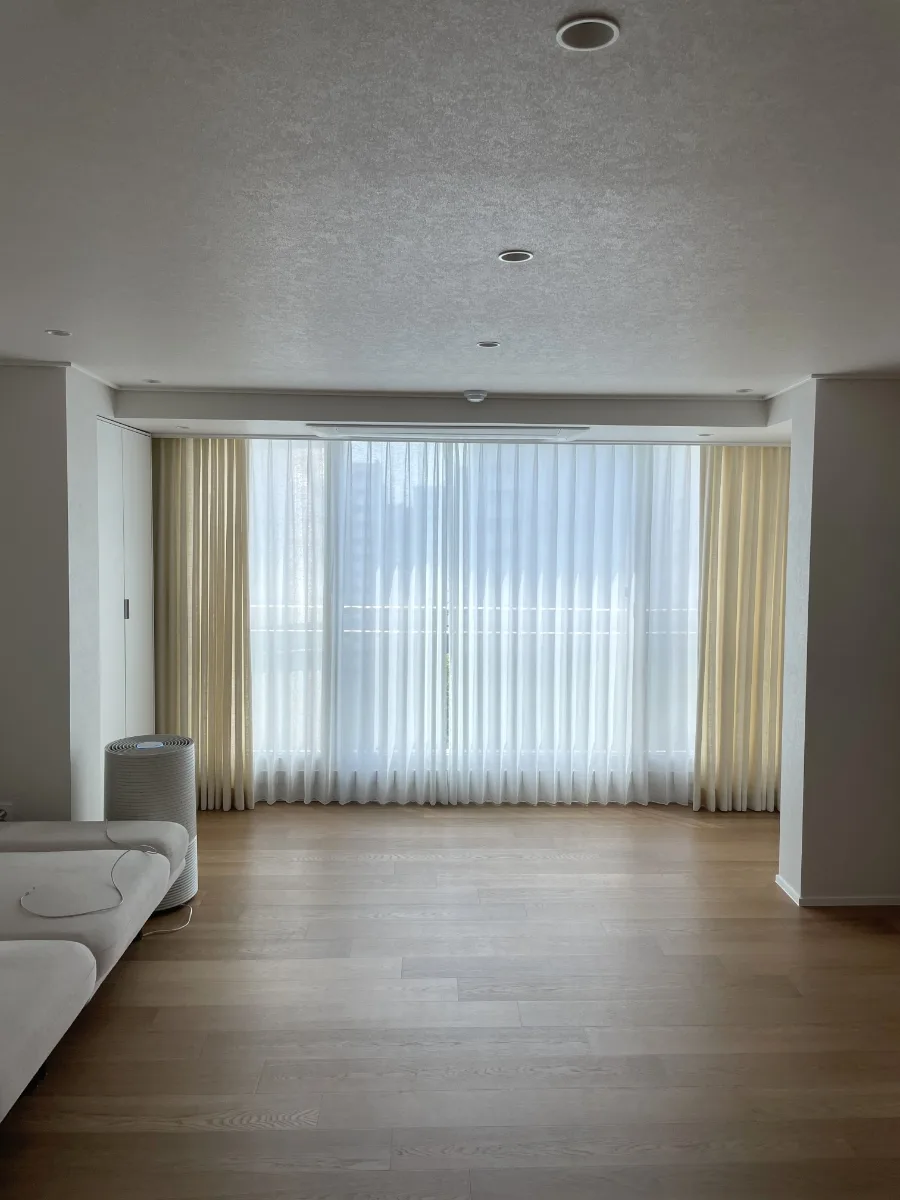
Creating a cozy and inviting living room involves maximizing natural light and incorporating biophilic design elements. Opting for light-colored walls and curtains, along with strategically placed plants and natural decor, brings life and freshness into the space. A warm color palette—think beiges, ivories, and wood tones—forms the foundation, often accented with subtle pops of color for depth. Soft textures from fabric sofas, plush rugs, and natural wood furniture contribute to a comfortable, organic feel. Indirect lighting is also essential for setting a serene mood, creating an ambiance that’s both relaxing and sophisticated. The living room should be a sanctuary for everyone, balancing visual appeal with practical comfort.
Why Are Eco-Friendly Materials and Textures So Important?
Material selection plays a crucial role in defining the overall atmosphere and healthiness of a home. Eco-friendly and sustainable materials are increasingly prioritized, contributing to both aesthetic appeal and a healthier living environment. Natural materials like wood, organic cotton, and recycled elements add warmth and a natural touch. For example, furniture made from reclaimed wood or walls finished with natural paints can bring a sense of calm and sophistication. Mixing textures and patterns also adds visual interest and depth; contrasting rough and smooth surfaces, or combining matte and glossy finishes, can create a dynamic and engaging space. This thoughtful approach to materials ensures your home is not only beautiful but also mindful of its impact.
How Can You Personalize Your Interior Design with Your Lifestyle?
The most impactful interior design reflects the unique tastes and lifestyles of its inhabitants. Thoroughly considering the number of household members, their ages, and daily routines is key to maximizing satisfaction. DIY (Do It Yourself) projects are gaining significant traction, empowering individuals to infuse their spaces with personal flair and creativity. Crafting your own decor, refurbishing furniture, or even painting accent walls allows for a truly unique expression. For instance, adding custom artwork, incorporating vintage finds, or repurposing old items can lend a special character to your home. A personalized interior tells a story, fostering a deeper connection to your living space and making it truly your own.
For more details on Korean apartment interiors, check the original source below.