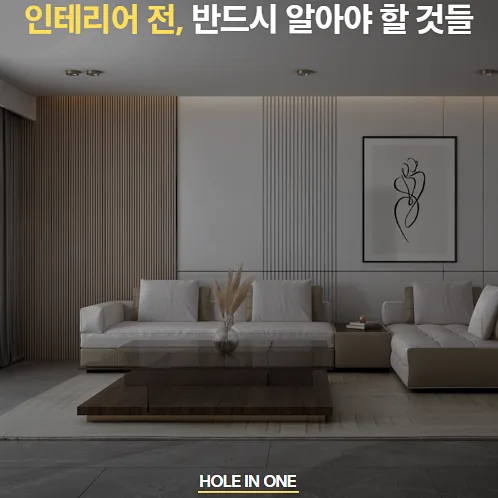
Many people overlook the core elements of apartment interior design: systematic preparation involving space analysis, style selection, and budget planning. These preliminary steps are essential for successful home decorating.
How to Start Analyzing Your Apartment Space for Interior Design
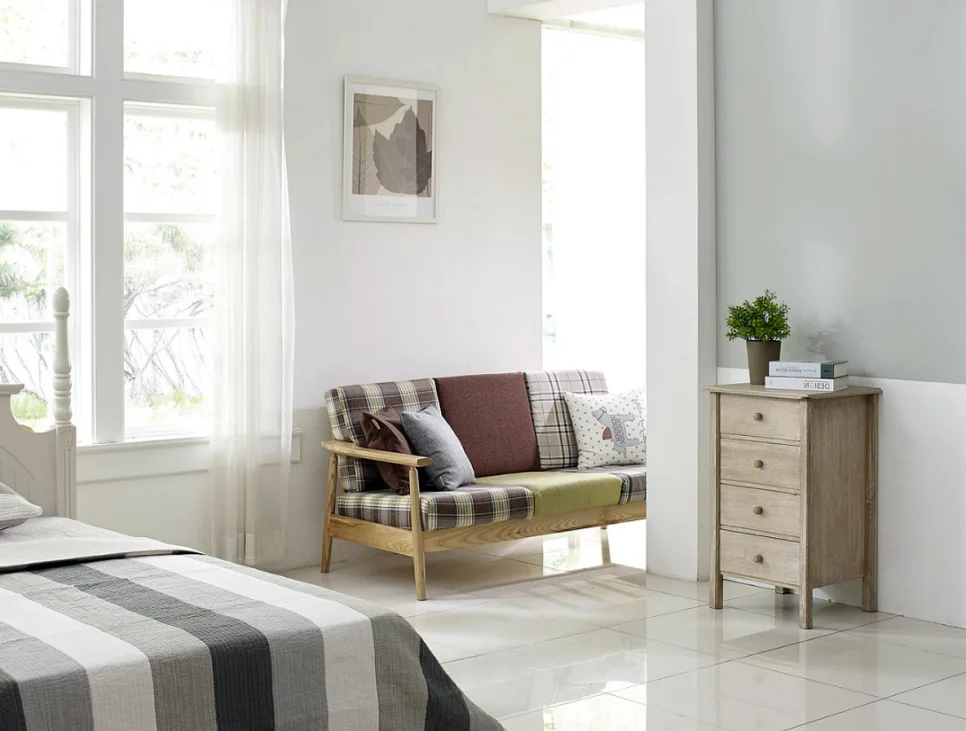
Before embarking on any interior project, a thorough analysis of your current living space is crucial. This involves understanding the apartment's structure, natural light exposure, traffic flow, and potential furniture placement. Natural light, in particular, significantly impacts the ambiance, so accurately noting window positions and the direction of sunlight is key. Consider the lifestyle patterns of your household members; this might mean creating a dedicated workspace for remote work or ensuring a safe environment for young children. Prioritizing design over practical needs can lead to an aesthetically pleasing but inconvenient living space. Based on experience, meticulous attention to detail during the space analysis phase consistently leads to more satisfying outcomes.
How to Choose an Interior Style That Suits You
Selecting an interior style requires a focus on maintaining consistency throughout the entire space. Randomly mixing various styles can create a cluttered and disjointed atmosphere. It's best to choose a primary style and then unify elements like colors, materials, and furniture design. Recently, a blend of minimalist and natural styles has gained significant popularity in Korean homes, offering a calm and inviting aesthetic. For a warm, natural feel, incorporating wood elements is effective. Conversely, if you prefer a sleek and modern look, metallic materials can be utilized. The combination of colors and materials greatly influences the space's mood, so careful consideration is necessary.
How to Design Storage Spaces for Maximum Practicality
Regardless of how excellent the design is, insufficient storage can quickly lead to a cluttered environment. Therefore, securing ample storage space from the initial interior design phase is extremely important. Utilizing various methods such as built-in wardrobes, wall storage, and hidden compartments can help maximize space efficiency. The importance of storage design becomes even more pronounced in smaller apartments. Differentiating storage based on frequency of use can enhance practicality. A well-organized space not only provides visual satisfaction but also contributes to psychological well-being, making storage a key element that enhances quality of life, not just a functional necessity.
For more interior design tips, check the original source below.