Dreaming of a stylish Korean apartment interior for 2026? Discover the latest K-interior trends, from minimalist aesthetics to smart home tech, and learn how to budget effectively for your remodel. This guide breaks down everything US homeowners need to know to achieve that coveted Korean aesthetic room.
What to Consider for Your Korean Interior Design Project
When planning your apartment remodel with a Korean interior design focus, the first step is a thorough assessment of your current space and your desired transformation. Instead of blindly following the latest trends, prioritize creating a functional space that reflects your unique lifestyle and needs. For families with young children, safety should be paramount, influencing your choice of finishes and furniture placement. If you work from home, dedicating a specific area for a productive home office is essential. For older apartments, don't overlook critical structural elements like insulation, waterproofing, and plumbing; addressing these upfront can prevent costly future repairs and ensure a comfortable living environment. Based on extensive experience, neglecting these foundational aspects often leads to unexpected expenses and the hassle of redoing work. Therefore, collaborating with design professionals to accurately diagnose your home's condition and clearly define the scope of work is the crucial first step toward a successful K-interior project.
What Are the Top Korean Apartment Interior Trends for 2026?
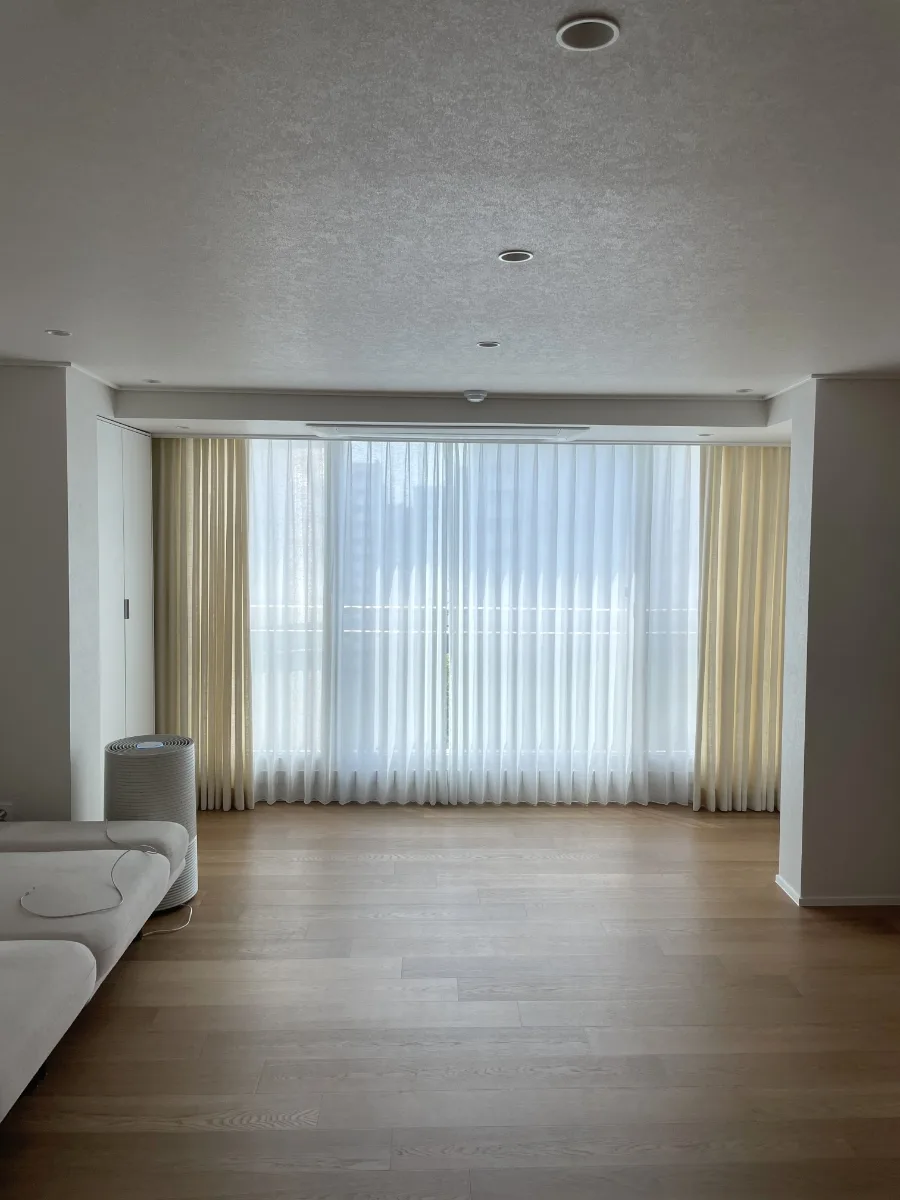
The leading Korean apartment interior trends for 2026 are centered around creating personalized spaces that maximize comfort and convenience. Moving away from uniform designs, the focus is shifting towards interiors that reflect individual personalities and lifestyles. Expect to see a significant rise in the use of eco-friendly materials and smart home technology. This includes opting for low-VOC paints and sustainable flooring to minimize indoor air pollution, and integrating IoT systems for voice or smartphone control of lighting, heating, and appliances. Additionally, a blend of 'minimalism' and 'naturalism' is set to dominate. This aesthetic emphasizes decluttering, utilizing natural materials like wood and textiles, and creating a serene, inviting atmosphere. Embracing these trends can transform your living space from merely aesthetically pleasing to one that genuinely enhances your quality of life.
How to Budget for Your Korean Interior Design Project
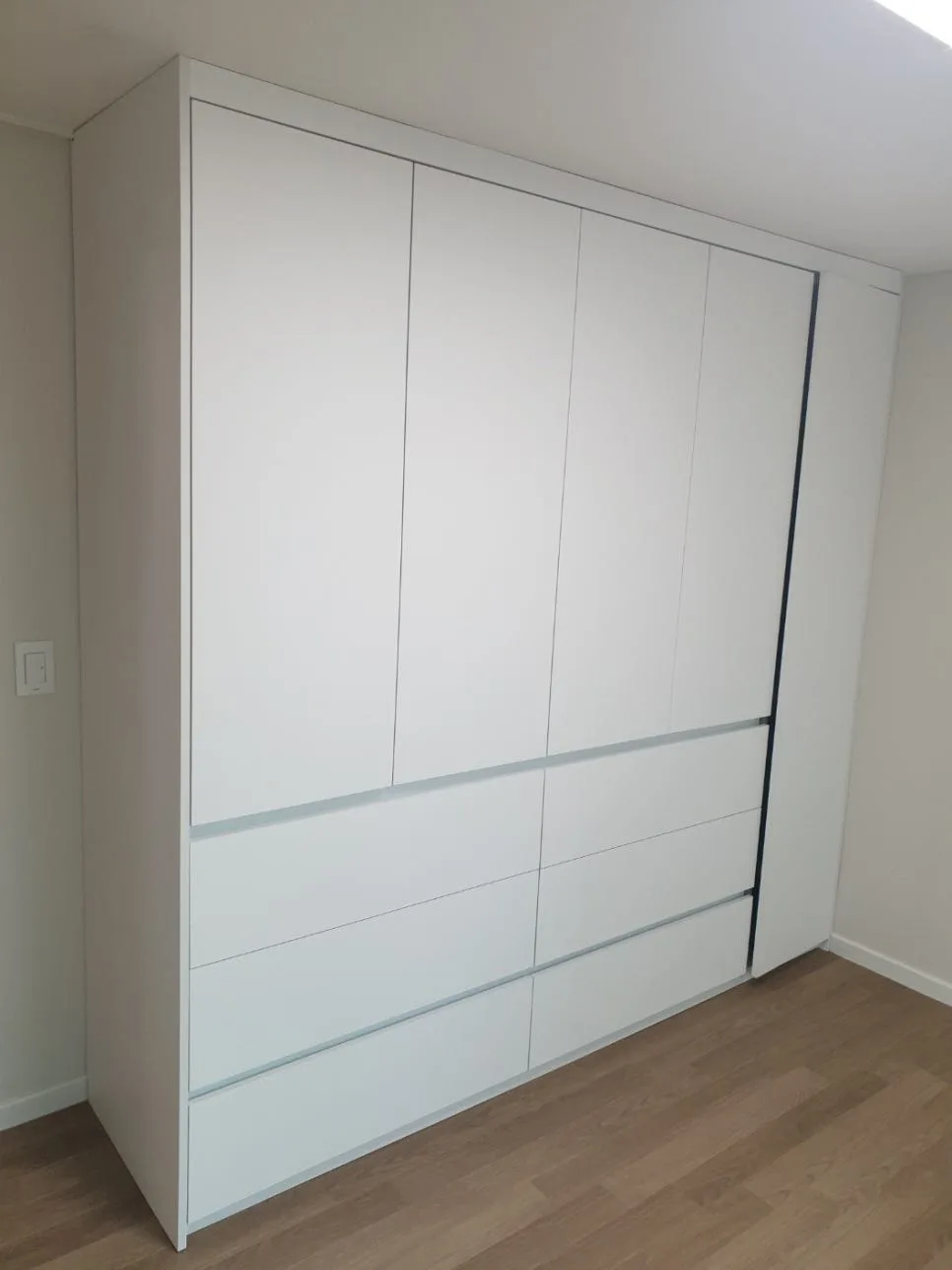
The cost of apartment interior design can vary dramatically based on the project's scope, the quality of materials selected, and the contractor's expertise. To achieve your Korean apartment style on a reasonable budget in the US, follow these key steps. First, obtain quotes from at least three different interior design firms. Don't just compare the total price; meticulously review the detailed breakdown of costs for each item. Second, establish clear preferences for your desired design and materials, and communicate these effectively with your chosen firm. Providing specific visual references, such as photos or sketches, will lead to more accurate estimates. Third, anticipate potential for additional work. Clearly define what is included in the initial contract to avoid unexpected charges for tasks not originally specified. For instance, if you're looking at a full remodel, costs can range from $15,000-$50,000+ USD, depending on the size and complexity. A partial refresh might start around $5,000 USD. Always ensure your contract clearly outlines the scope and payment schedule to prevent disputes and manage your budget effectively.
Common Mistakes to Avoid in Korean Interior Design
Many homeowners make similar errors when undertaking an interior design project, especially when aiming for a specific aesthetic like Korean minimalism. A frequent pitfall is insufficient research; jumping into a remodel without understanding current trends, material options, or reliable contractors can lead to costly mistakes. Another common issue is unclear communication of requirements. Vague instructions to designers or contractors often result in outcomes that don't match expectations. For example, asking for a 'cozy' feel is subjective; specifying 'warm lighting, plush textiles, and natural wood accents' is much clearer. Throughout the renovation process, a lack of consistent communication can cause misunderstandings and delays. Regular site visits and check-ins are crucial. By proactively addressing these common mistakes—through thorough research, clear communication, and consistent oversight—you can significantly increase the likelihood of a successful and satisfying K-interior transformation.
Where to Find Korean Interior Design Inspiration and Products in the US
Achieving the sought-after Korean aesthetic room is more accessible than ever for US residents. For design inspiration, platforms like Pinterest and Instagram are invaluable resources, using search terms like 'K-interior,' 'Korean home decor,' and 'Korean apartment style.' Many US retailers offer products that align with this minimalist and naturalistic ethos. Look for clean-lined furniture and neutral-toned decor at stores like IKEA, CB2, and West Elm. Amazon also provides a vast selection of affordable options, from ceramic vases and woven baskets to minimalist lighting fixtures. Brands like MUJI, known for its Japanese-inspired simplicity, also resonate strongly with the Korean minimalist vibe. When selecting materials, focus on natural textures like light wood, linen, and matte finishes. For a truly authentic touch, consider sourcing specific items like Korean-designed ceramics or unique textiles from online marketplaces specializing in global home goods, ensuring they fit within your budget and shipping realities.
For more details, check the original source below.