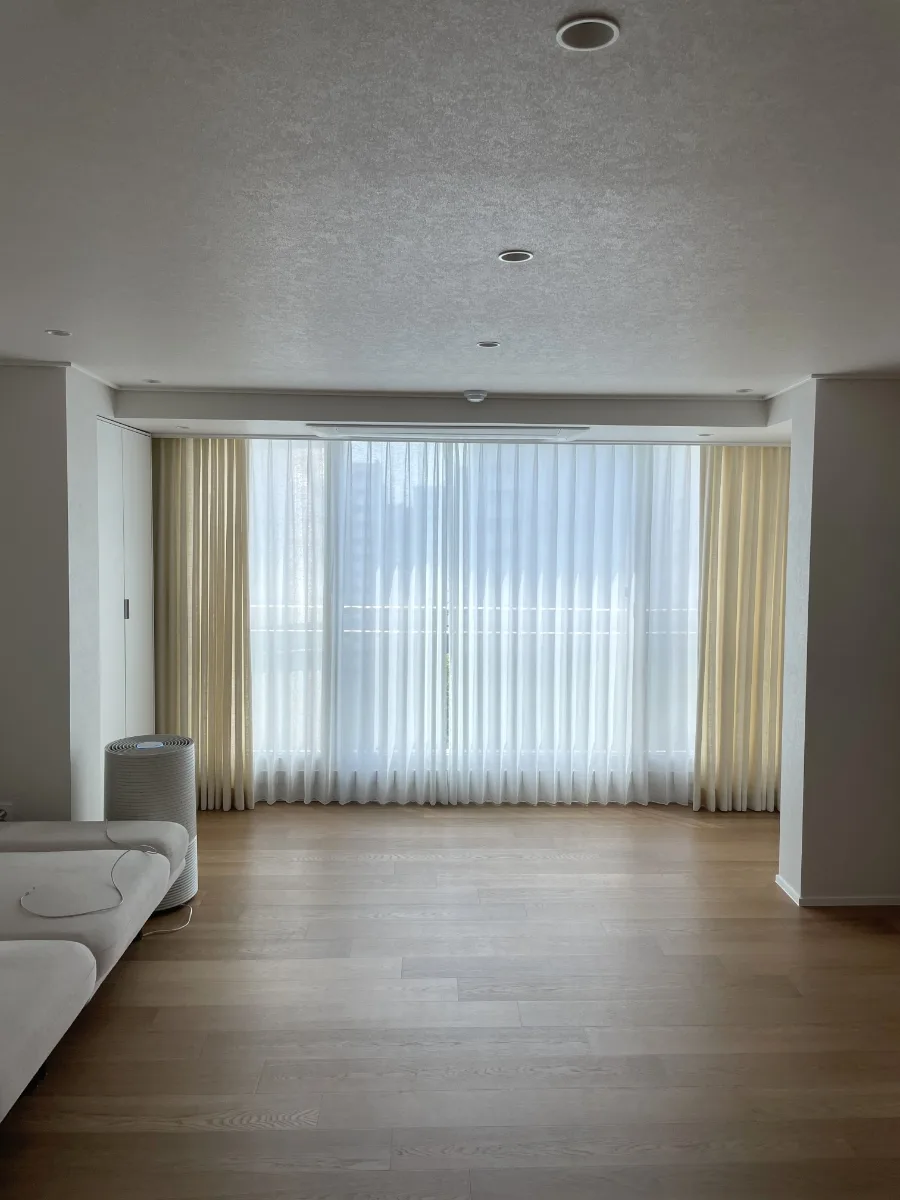
Achieving a spacious feel in a 24-pyeong (approx. 800 sq ft) Korean apartment in 2026 hinges on smart space expansion and a clean, white-toned aesthetic. This approach, combined with custom-fit furniture and efficient storage solutions, can transform a compact living area into a modern, expansive-feeling home, mirroring trends seen in popular minimalist designs found on platforms like Amazon and CB2.
How to Make a 24-Pyeong Korean Apartment Feel Larger (2026 Trends)
Maximizing space in a 24-pyeong apartment is all about visual tricks and strategic renovations. The latest trend for 2026 emphasizes a bright, white-toned base for walls and finishes, creating an illusion of greater square footage. Bold structural changes, such as expanding the living room and an entryway room, can dramatically increase the perceived size, effectively making a 24-pyeong unit feel more like a 30-pyeong (approx. 1000 sq ft) space. This minimalist approach, focusing on clean lines and uncluttered surfaces, aligns perfectly with modern Korean interior design principles that prioritize both functionality and aesthetic appeal. Using materials like the LX Additon flooring and LX Diamant silk wallpaper, as seen in high-end Korean renovations, adds a touch of subtle luxury and a polished finish.
From Entryway to Kitchen: Balancing Functionality and Style
The entryway is often the first impression of a home, and in compact Korean apartments, it's crucial to maximize its utility. Replacing existing shoe cabinets and middle doors with custom-built storage solutions significantly boosts organization. For enhanced separation and noise reduction, an aluminum-framed, slim 3-panel sliding glass door is a popular choice, effectively partitioning the entryway from the main living space. In the kitchen, the trend leans towards sophisticated matte finishes, such as fog gray cabinets, paired with large-format gray porcelain tiles for a seamless, modern look. Integrating recessed lighting into the ceiling not only provides efficient illumination but also contributes to a sleek, contemporary ambiance. Thoughtful kitchen layout design, focusing on an efficient workflow, is key to making the most of limited space and enhancing daily convenience.
Bedrooms and Bathrooms: Creating a Sanctuary of Comfort and Luxury
In the master bedroom, adopting a minimalist design with a 9mm door trim and a 'no-molding' aesthetic creates a clean, contemporary feel that’s very much in vogue for 2026. Integrating built-in wardrobes and ceiling-mounted air conditioning systems maximizes space efficiency and maintains a sleek appearance. The use of LX Diamant wallpaper and 4-inch recessed lighting adds a layer of understated elegance. Bathrooms are transformed into spa-like retreats with the use of gray porcelain tiles, natural stone accents on the vanity backsplash (known as a 'jandai' in Korean interiors), and wall-mounted, integrated sinks for a streamlined look. Matte-finish fixtures further enhance the sense of modern luxury, turning a functional space into a personal haven.
Balcony Expansion and Insulation: Ensuring a Comfortable Living Environment
When undertaking a balcony expansion, meticulous attention to insulation and heating is paramount to prevent issues like condensation and maintain a comfortable temperature year-round. Installing high-performance, insulated doors is crucial for energy efficiency. A protective, eco-friendly coating can be applied to prevent moisture damage and enhance durability. White-colored storage units installed in the expanded balcony area provide much-needed, discreet storage space. Upgrading fixtures, such as replacing a standard faucet with a slim-line version in the laundry area, can also free up valuable space. The goal is to integrate timeless materials and simple designs that contribute to a clean, organized, and pleasant living environment throughout the home.
Full Renovation vs. Refurbishment: Choosing the Right Approach
Deciding between a full home renovation and a simpler refurbishment depends heavily on the current condition of the apartment and your specific goals. For older apartments, a professional assessment is crucial to determine the extent of work needed. Engaging with multiple interior design professionals is highly recommended to gather diverse perspectives and understand your options thoroughly. By comparing proposals and aligning them with your lifestyle and budget, you can identify the most effective solution. Partnering with a reputable interior design firm that prioritizes clear communication and transparency can lead to a successful project that truly enhances your living space.
English crawl path
Next English reads from this pilot cluster
Continue through the category hub, latest English stories, and related posts so this translated article is not an isolated URL.
Tags
💬Frequently Asked Questions
What should I check first in Korean Apartment Interior Design 2026: Small Space Hacks?
Does this Home & Interior article link back to the Korean source?
Where can I find similar English stories?
English discovery path
Explore more English K-culture stories
Keep browsing the indexed English pilot cluster so Google and readers can move between this story, the category hub, and fresh discovery pages.
Original Source
Read the Korean original