For older Korean apartment renovations, removing and sanding existing flooring like Gangmaru (a type of laminate) is a crucial step. This process prevents lifting issues with new flooring and ensures a smooth subfloor. Experienced DIYers emphasize its importance for a quality finish.
Why is Old Korean Apartment Flooring Removal So Important?
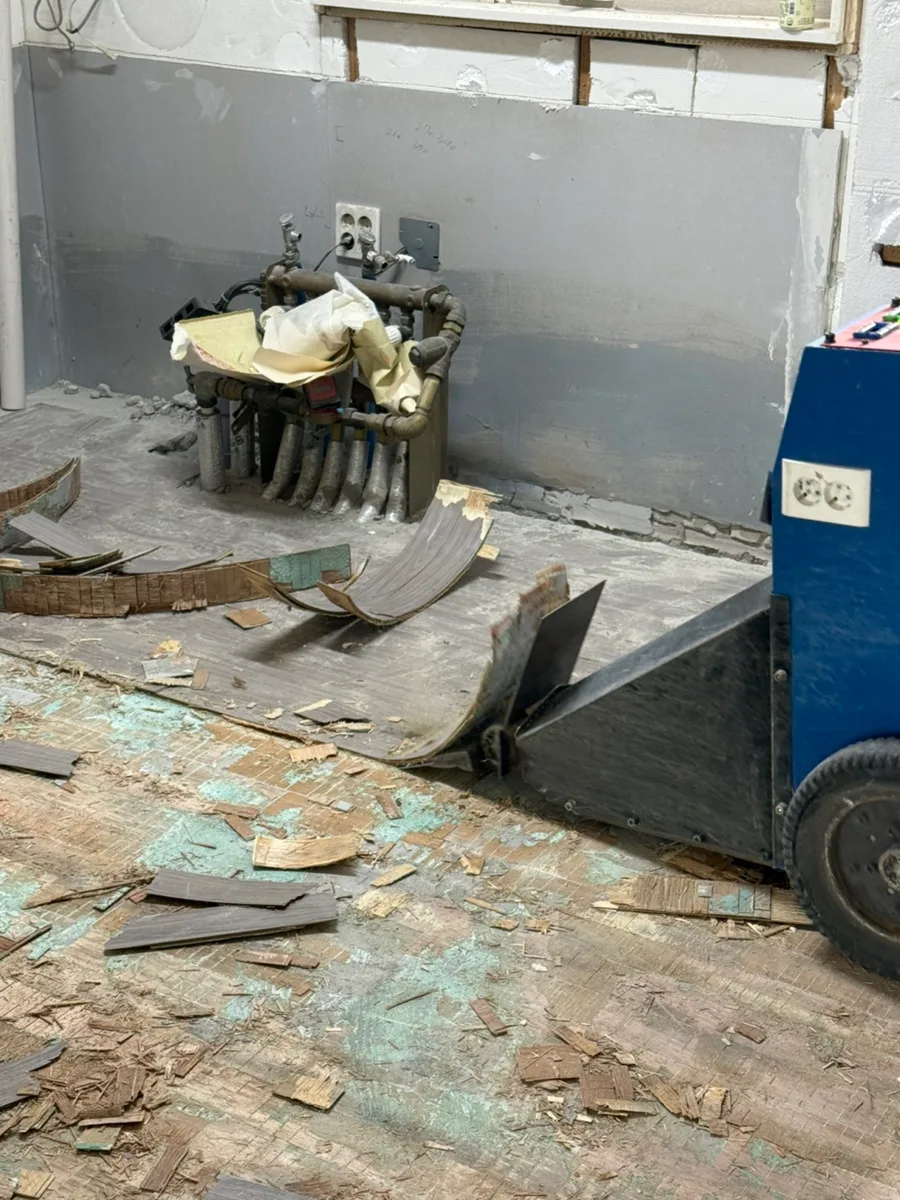
When renovating an older Korean apartment, one of the first challenges is removing the existing flooring, especially materials like Gangmaru or general laminate. This isn't just about tearing out old material; it's the essential first step for perfectly installing new flooring. Specialized equipment is needed for removal, and the noise and dust can deter some homeowners from visiting the site. However, if you want to nail the details of your renovation, visiting the site at least every other day to check progress is recommended. Even when using a full-service contractor (often called 'turnkey' in Korea), diligent double-checking helps prevent unexpected problems and boosts satisfaction. Since floor renovation is the foundation of the entire interior project, it requires careful consideration.
The Core of Flooring Removal: Sanding Aftercare
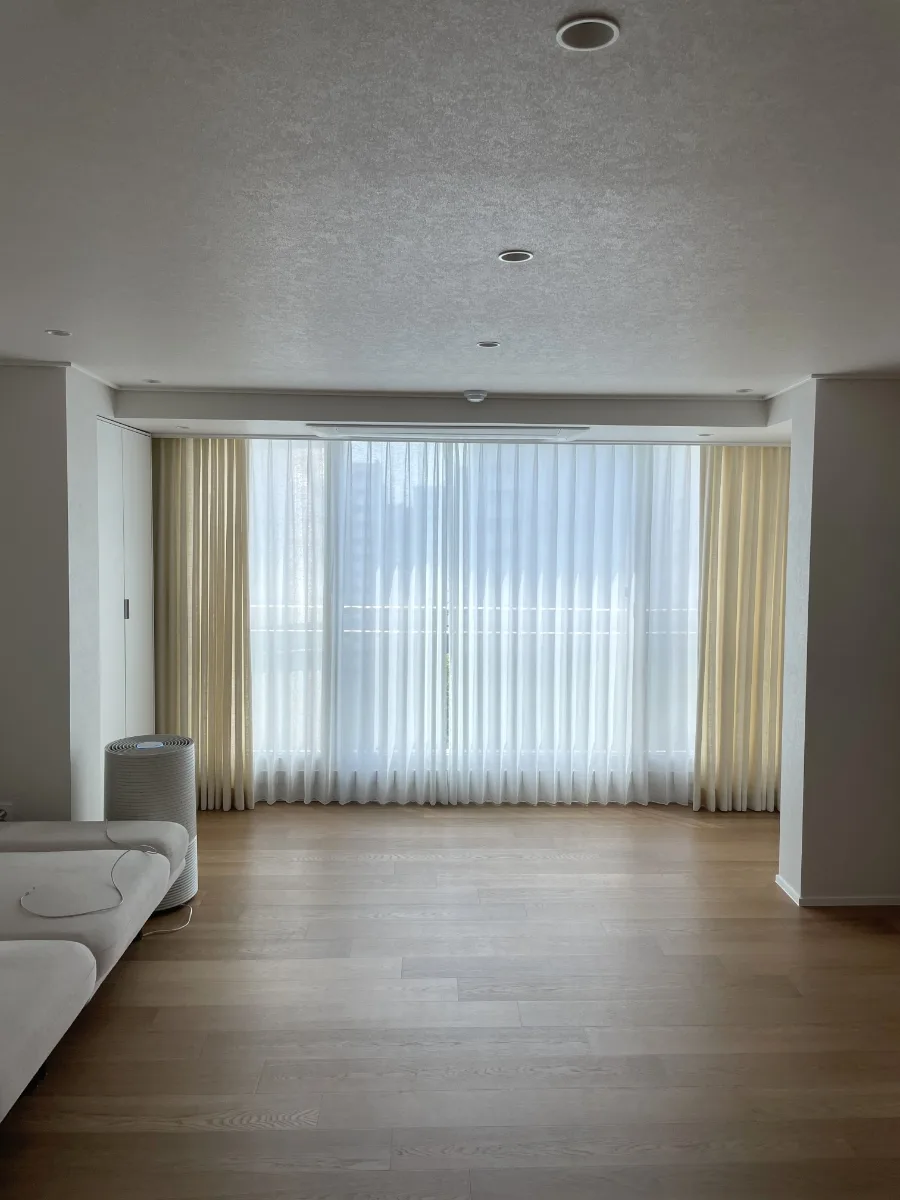
Once the old flooring is removed, sanding is the immediate next step and is absolutely non-negotiable. Skipping this can lead to issues like lifting or unevenness in newly installed flooring from brands like Gujengmaru, Editone, or others. A properly sanded floor, as seen in the left image, has all old adhesive residue and debris cleanly removed, leaving a smooth surface. In contrast, a floor without sanding (right image) has an uneven surface, significantly increasing the risk of defects after new flooring installation. Therefore, always confirm if sanding is included in your turnkey interior quote, and pay extra attention if you're undertaking a DIY project. A leveled subfloor extends the lifespan of your new flooring and ensures the best possible quality.
Key Checks for Korean Flooring Removal & Sanding
Removing and sanding Gangmaru in older Korean apartments goes beyond simply getting rid of old floors; it's a critical phase that determines the success of new flooring installation. The removal method and difficulty can vary depending on the type of existing flooring (Gangmaru, laminate, engineered wood, etc.). While click-lock systems are relatively easy to remove, adhesive-bonded Gangmaru requires more time and effort. Sanding smooths out minor imperfections on the subfloor and thoroughly cleans off any adhesive remnants or foreign matter. If this step is insufficient, new flooring might creak, lift, or develop gaps, significantly reducing its durability. Therefore, it's crucial to carefully compare interior quotes that include removal and sanding, ensuring the scope of work is clearly defined. For some, seeking professional assistance might be the wisest choice.
Common Mistakes in Flooring Removal & Sanding
Many people underestimate the importance of flooring removal and sanding, treating them as minor aspects of a renovation. The most common mistake is skipping or inadequately performing the sanding process due to a lack of awareness. This directly leads to problems like lifting, noise, and unevenness in the new flooring. Other mistakes to avoid include failing to properly repair subfloor damage after removal or installing new flooring over a dusty surface left from insufficient cleaning post-sanding. If using a turnkey contractor, meticulously verify that the sanding process is explicitly included in the contract and understand the extent of the work. For DIYers, thorough research and consulting professionals are highly recommended. Neglecting these precautions can render your renovation efforts and expenses futile.
For more details, check the original source below.