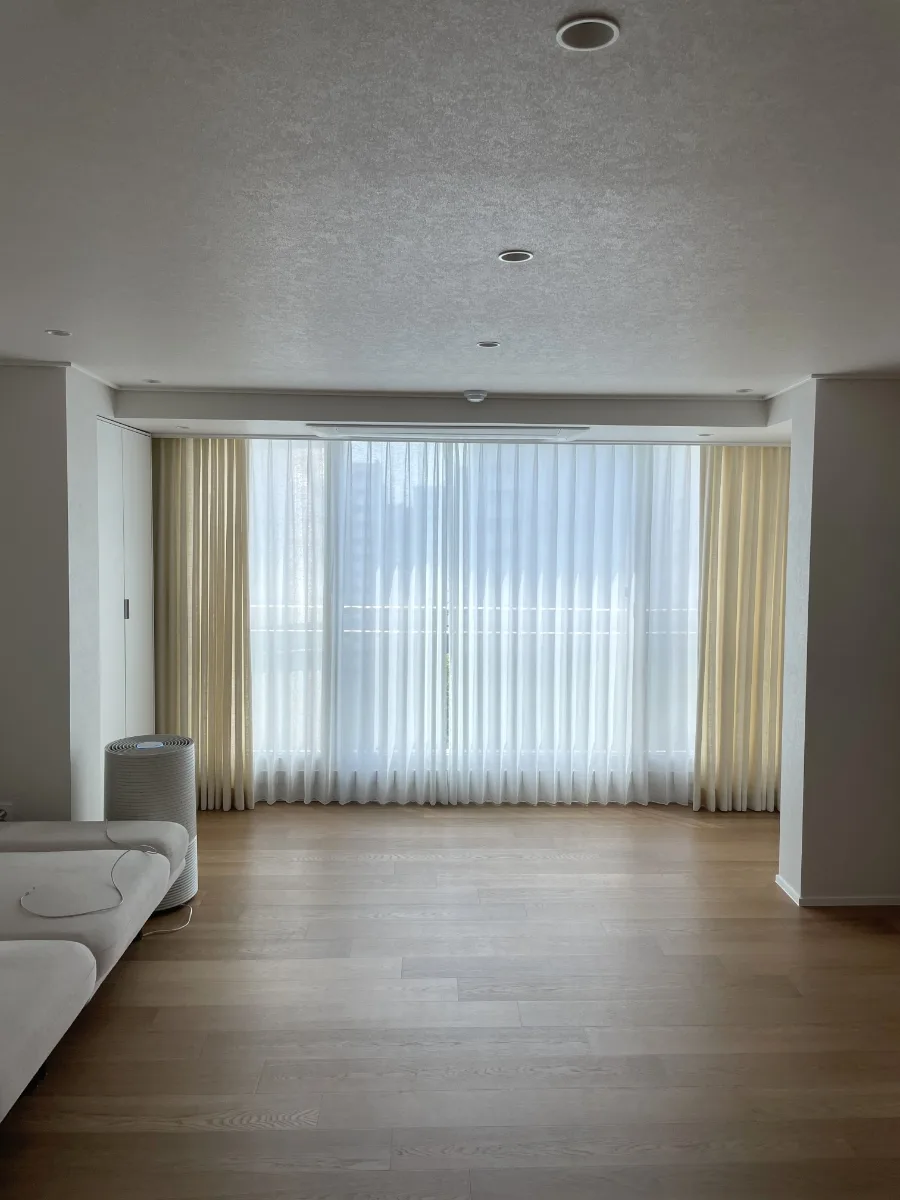
The most effective way to address issues like lifting, stains, dents, or moisture in old apartment flooring is by removing the existing material and then sanding the subfloor. This process ensures optimal flatness for new flooring installation. Typically, floor removal costs start around $7 per square foot ($18,000 KRW), and sanding costs begin at approximately $3.50 per square foot ($10,000 KRW), though prices can vary based on site conditions.
Why Is Apartment Floor Removal More Than Just Tearing Out Old Materials?
Removing old apartment flooring is a meticulous process that goes beyond simply ripping out worn-out materials. It requires minimizing damage to the subfloor, properly disposing of waste, and preventing dust and debris from spreading to surrounding areas. For glued-down or partially secured flooring, specialized tools and skilled techniques are essential. In practice, careful removal is key to reducing potential issues that could lead to costly repairs later. Rushing this step can easily damage the underlying subfloor, leading to unexpected expenses.
Why Is Subfloor Preparation and Sanding Essential After Floor Removal?
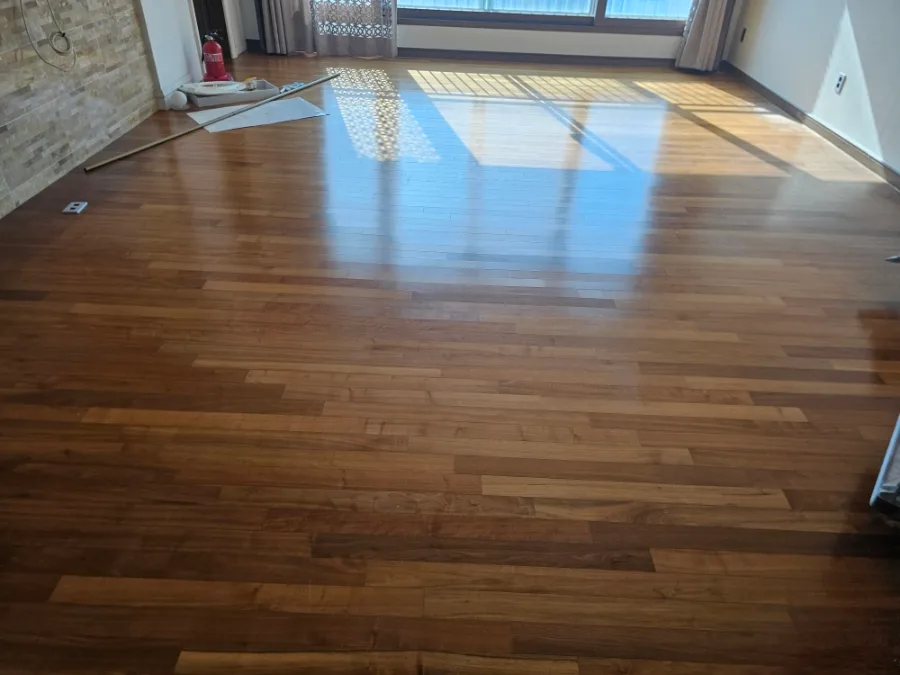
Once the old flooring is removed, you'll see the true condition of your subfloor. The most critical steps at this stage are subfloor preparation and sanding. This involves thoroughly cleaning off any remaining adhesive residue and smoothing out any unevenness or dips in the surface. Skipping this crucial step significantly increases the risk of new flooring lifting, cracking, or other damage. Sanding transforms a rough, dirty subfloor into a smooth, clean surface, akin to a brand-new foundation, ensuring the quality and longevity of your subsequent flooring installation.
Related Articles
When Is Floor Removal and Sanding Most Effective?
Opting for combined floor removal and sanding is a cost-effective strategy that enhances installation quality in several scenarios. It's ideal when you want to replace your flooring but are looking for a more budget-friendly option than a full replacement. It's also beneficial for DIY enthusiasts aiming to improve the foundational work for their new floor. Furthermore, if you plan to install new flooring directly over the existing subfloor, sanding ensures it's in the best possible condition. This combined approach can also shorten project timelines by addressing removal and subfloor prep simultaneously. Many clients express surprise at how smooth and clean a concrete subfloor can become after proper preparation.
What Should You Watch Out For During Floor Removal and Sanding?
When undertaking floor removal and sanding, several key points require attention. First, ensure you get an accurate quote based on the specific site conditions. Factors like the type of flooring (laminate, engineered wood, glued), the amount of adhesive residue, and the subfloor's condition will influence the complexity and cost. Second, dust control is paramount during sanding. Choose a contractor with professional equipment and proper ventilation, and confirm thorough cleanup post-work. Finally, avoid redundant or unnecessary steps. Open communication with professionals throughout the process is crucial to finding the best solution for your specific needs.
For more details, check the original source below.