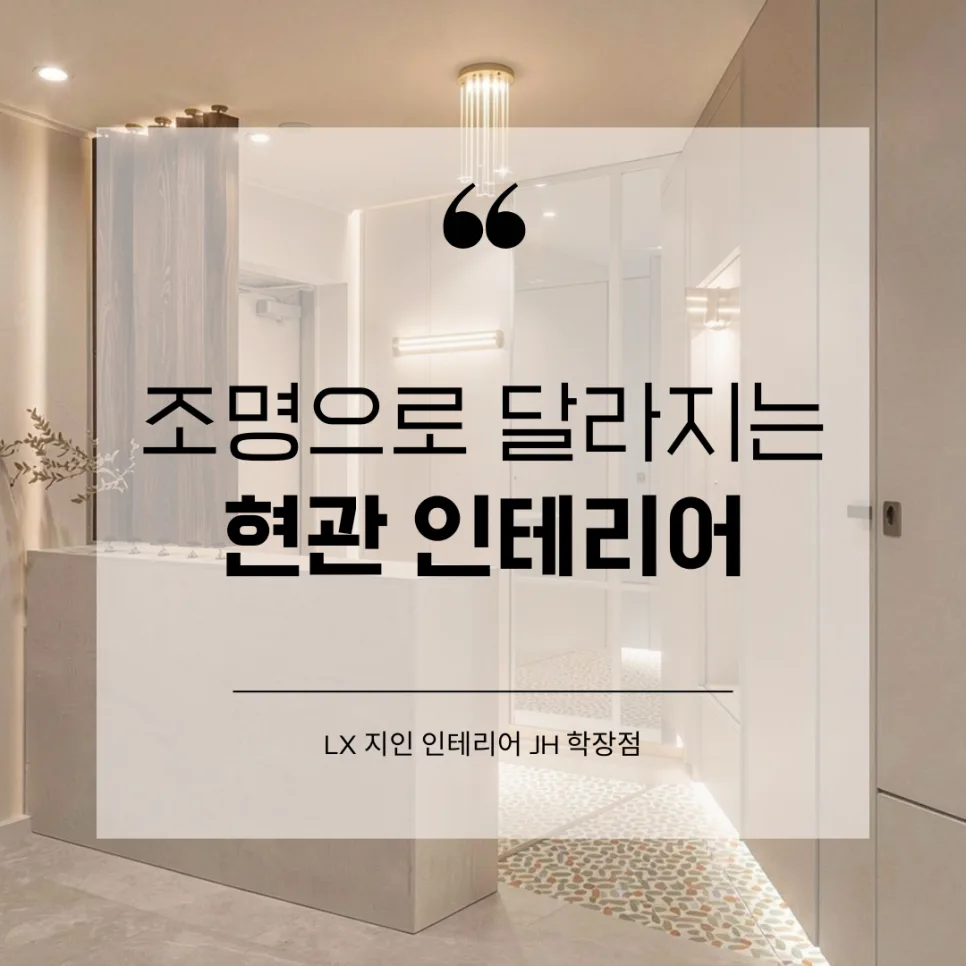
In 2026, Korean apartment entryway lighting is a key element for making spaces feel larger and more sophisticated. Subtle, balanced lighting sets the first impression for your entire home, elevating interior design beyond mere brightness. For narrow entryway spaces, strategic lighting can be far more effective than structural changes.
Why Does Entryway Lighting Define an Apartment's First Impression?
The entryway is the first space you encounter when entering a home, making it crucial for setting the overall first impression. The brightness, color temperature, and light distribution of your entryway lighting dictate the ambiance, directly influencing how the entire apartment feels. Dim lighting with deep shadows can make an entryway feel cramped and unwelcoming. Conversely, soft, balanced lighting creates a sense of spaciousness and luxury. This trend is evident in recent consultations for apartment renovations in cities like Busan, where clients increasingly request entryway lighting that evokes the clean, warm feel of a hotel lobby, highlighting lighting's role as a central design element.
What Lighting Techniques Make Small Apartment Entryways Appear Larger?
Korean apartment entryways often feature a limited layout with shoe cabinets, entry doors, and hallway traffic flow, which can make them feel inherently small. In such cases, lighting design is a highly effective method for visually expanding the space. Installing indirect lighting beneath shoe cabinets creates a floating effect, enhancing the sense of spaciousness. Adding subtle ambient lighting on walls or behind mirrors introduces depth, making the entryway appear significantly wider. Without structural renovations, lighting alone can transform a narrow entryway into a more open and inviting area, a practical approach gaining popularity in modern apartment interiors.
What Factors Should Be Considered When Choosing Entryway Lighting?
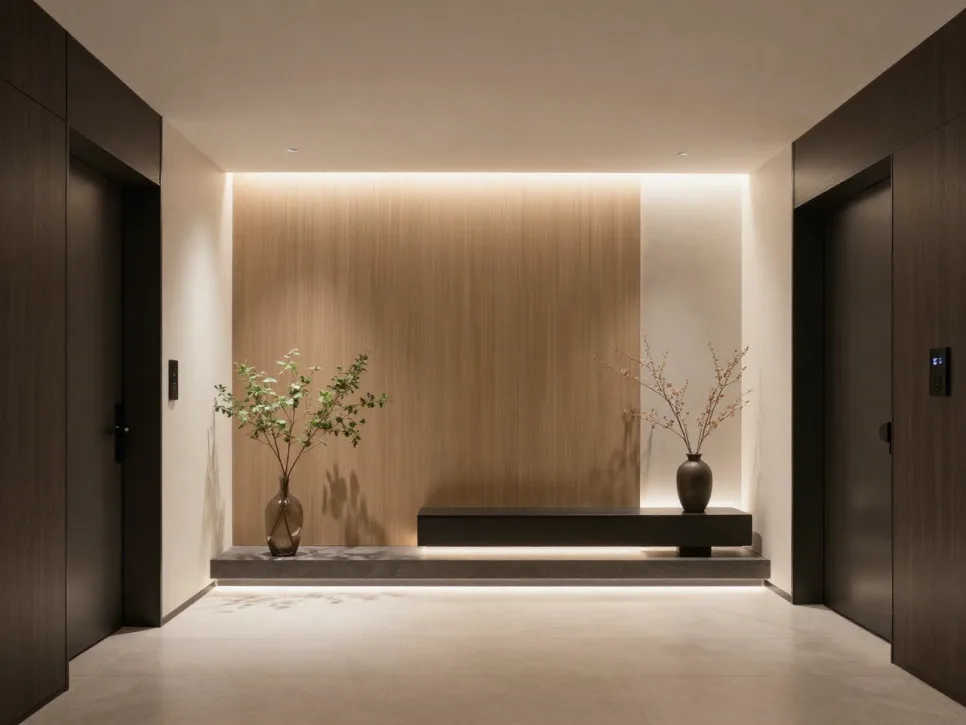
Entryway lighting serves not only to illuminate but also to foreshadow the overall interior design theme of the home. If your living room has a natural, earthy vibe, opt for warm, incandescent-like lighting in the entryway to maintain consistency. For a modern aesthetic, consider linear lighting fixtures or lamps with black frames to add a sleek touch. Practicality and safety are also essential considerations for daily use. When choosing lights, balance the brightness to minimize harsh shadows, especially in households with children or the elderly. Incorporating sensor lighting is also a smart choice, offering convenience for late-night arrivals.
What Are Recommended Lighting Combinations for Apartment Entryways?
For apartment entryway interiors, especially in areas like Busan, we recommend a three-part lighting strategy. First, main downlights provide uniform illumination across the entire space. Second, indirect lighting—applied under shoe cabinets, along ceiling lines, or behind mirrors—creates a luxurious and cozy atmosphere. Third, sensor lighting enhances safety and convenience, particularly during nighttime movement. Combining these three types of lighting results in a functional and aesthetically pleasing entryway that meets both practical needs and design aspirations.
What Common Mistakes Are Made in Entryway Lighting Design?
A frequent mistake in entryway lighting is relying solely on a single, overly bright overhead light. This can create a harsh glare and leave corners in shadow, making the space feel smaller and less inviting. Another common error is choosing a light color temperature that clashes with the rest of the home's interior design. For instance, a cool, blue-toned light in an entryway that leads to a warm, natural-toned living room can feel jarring. It's also important to avoid placing lights in a way that creates distracting shadows on walls or floors, which can detract from the overall aesthetic. Proper planning ensures the lighting complements, rather than competes with, the home's decor.