Korean interior design, often called K-interior, is gaining massive traction in the US for its clean, minimalist aesthetic. A well-designed floor plan for a 30-pyeong apartment (approximately 1000 sq ft) is crucial for maximizing space and functionality, creating a serene and stylish living environment that resonates with modern American homeowners seeking a Muji-inspired look.
Why Is a Floor Plan Essential for Korean Interior Design?
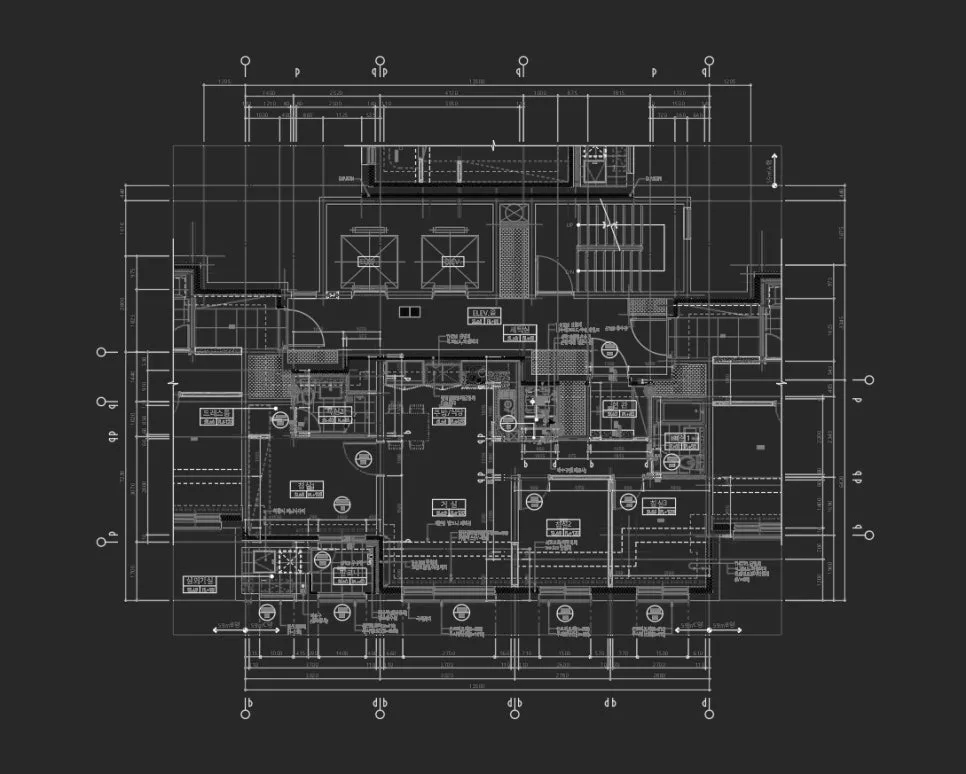
In Korea, a detailed floor plan is the bedrock of any successful interior renovation, especially for apartments around 30 pyeong (roughly 1,000 sq ft). This isn't just about aesthetics; it's a practical necessity that minimizes construction errors, saves significant time and money, and ensures client satisfaction. For instance, a young couple might prioritize an open-concept living area and efficient kitchen workflow, while a family with children may need distinct zones for play, study, and rest. A professionally drafted plan, based on accurate measurements, guides everything from furniture placement and electrical outlet locations to lighting design and material selection. This foresight prevents costly mistakes and disputes down the line, acting as a crucial reference point throughout the renovation process. Many Korean interior designers emphasize that a clear plan is key to a smooth project and higher client approval rates.
How Can Isometric 3D Renderings Enhance Your K-Interior?
Isometric 3D renderings are a game-changer for visualizing your Korean apartment style. Unlike flat 2D drawings, these detailed visualizations bring your design to life, showcasing the true three-dimensional feel of the space, the texture of finishes, and the precise placement of furniture. This allows you, the homeowner, to experience the completed look before any construction begins, significantly boosting your confidence and satisfaction. Imagine seeing how different lighting scenarios affect a minimalist white living room or previewing various furniture arrangements in your study. These renderings enable virtual 'what-if' scenarios, like transforming a study into a walk-in closet or optimizing the flow between the kitchen and living area. This powerful tool ensures the final design precisely matches your vision and lifestyle needs, making it an indispensable part of the K-interior process.
Achieving a Stylish Korean Apartment Aesthetic on a Budget
Creating a chic Korean apartment aesthetic doesn't require breaking the bank. The key is to focus on practical, timeless design principles. Opt for a clean, minimalist concept that prioritizes functionality over excessive ornamentation. For materials, consider standard, high-quality options like basic wall paint and durable vinyl flooring (similar to what you'd find at IKEA or Home Depot) for most areas. Reserve premium materials for accent pieces or high-impact zones to manage costs effectively. Smart furniture selection is also crucial; choose pieces that fit the scale of your space perfectly, avoiding oversized items that can make a room feel cramped. Incorporating well-chosen decor items that align with the overall tone can elevate the space without major renovations. This balanced approach ensures a sophisticated, serene living environment that embodies the Korean minimalist ideal, achievable even with a moderate budget.
Key Considerations Before Finalizing Your Korean Interior Design Plan
Before committing to your Korean interior design plan, several critical points require careful attention. First, always verify the accuracy and recency of any provided floor plans or reference images, especially for older buildings where original layouts might differ. If possible, conduct a basic on-site measurement. Second, clear and specific communication with your designer is paramount. Instead of vague terms like 'simple' or 'modern,' provide concrete examples of styles and atmospheres you desire. Third, realistically assess practical elements during the planning phase, such as the exact placement of electrical outlets and lighting fixtures, and the feasibility of any plumbing modifications. Addressing these details upfront prevents unexpected costs and ensures the final design enhances your daily living. Finally, ensure all aspects of the design scope, costs, and revision policies are clearly documented in your contract to avoid future misunderstandings.
Consult with a K-interior design professional for tailored advice.