Achieve a serene and stylish Korean apartment aesthetic with minimalist interior design principles. This guide explores key elements like clean lines, natural materials, and smart organization, drawing inspiration from popular K-interior trends to help you create a tranquil living space, whether you're renovating your home or simply seeking a more peaceful environment.
What is the Korean Apartment Aesthetic?
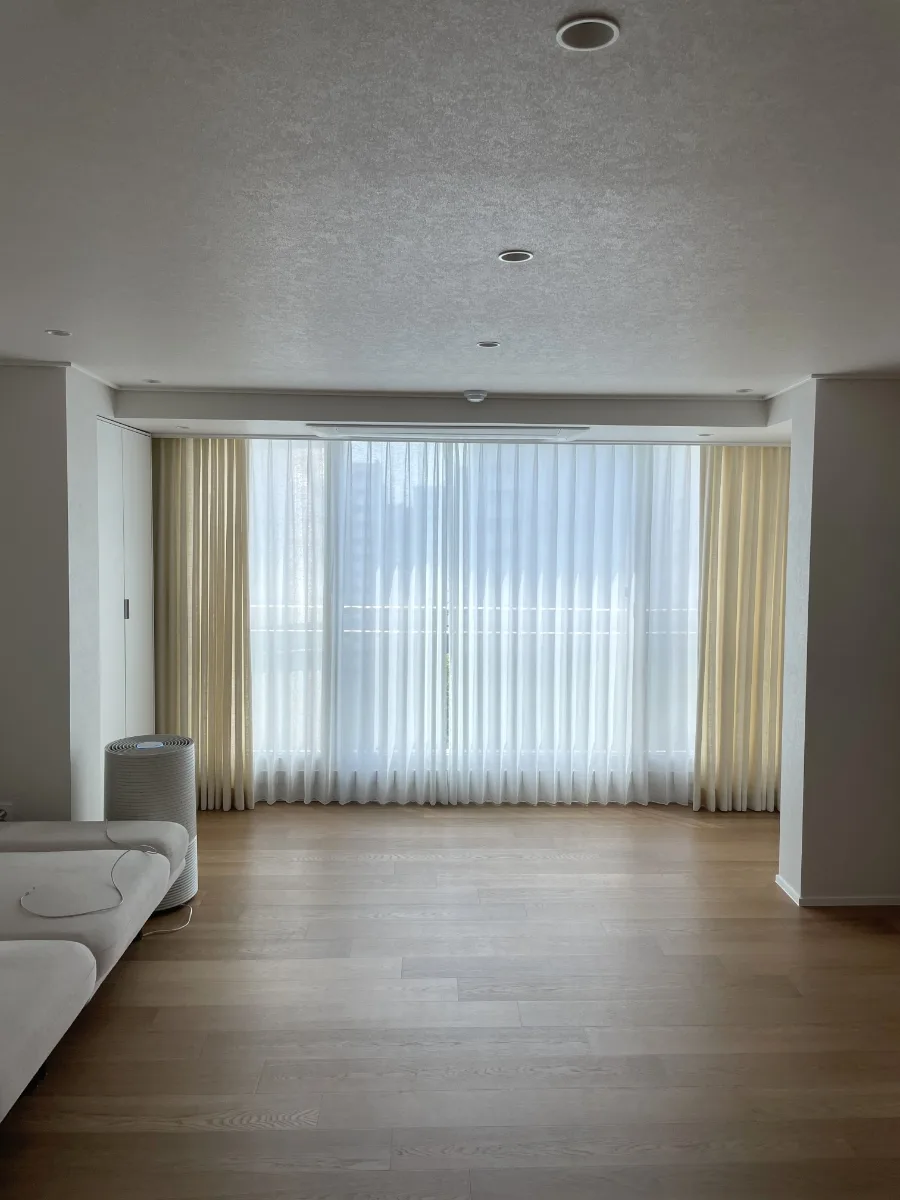
The Korean apartment aesthetic, often referred to as K-interior, is characterized by its embrace of minimalism, functionality, and a sense of calm. It prioritizes clean lines, uncluttered spaces, and a harmonious blend of natural materials like wood and stone. Unlike stark Western minimalism, K-interior often incorporates subtle warmth through soft textures, gentle color palettes (think muted neutrals, pastels, and earthy tones), and thoughtful decorative accents. The goal is to create a living environment that feels both sophisticated and incredibly serene, a sanctuary from the hustle and bustle of daily life. This design philosophy is gaining significant traction in the US, with many seeking to replicate the peaceful and organized feel of Korean homes, often seen in K-dramas and lifestyle content. It's about intentional living, where every item has a purpose and contributes to the overall balance of the space.
Why is Korean Minimalism Popular in US Homes?
Korean minimalism resonates deeply with American consumers seeking a respite from consumerism and visual clutter. The 'Korean apartment style' offers a practical yet beautiful approach to home design, emphasizing quality over quantity and mindful organization. In the US, brands like IKEA, CB2, and West Elm offer furniture and decor that align with these principles, making the aesthetic accessible. Online marketplaces like Amazon also provide a wide array of products that fit the K-interior look. This trend is particularly appealing to those who appreciate a clean, functional living space that promotes mental clarity and well-being. The rise of 'Korean aesthetic rooms' on social media platforms like Pinterest and Instagram further fuels this interest, showcasing inspiring examples of how to integrate these elements into everyday living spaces, making it feel achievable for anyone looking to refresh their home.
How to Achieve a Korean Minimalist Interior
Creating a Korean minimalist interior starts with decluttering and embracing a 'less is more' philosophy. Begin by clearing out unnecessary items and organizing what remains. Opt for furniture with clean, simple lines and a neutral color palette – think light woods, whites, grays, and soft earth tones. Incorporate natural materials like wood, bamboo, and stone to add warmth and texture. Smart storage solutions are crucial; consider built-in cabinets, minimalist shelving units, or woven baskets to keep clutter hidden. Lighting plays a key role, with a preference for soft, diffused light sources. Layering textures through rugs, cushions, and throws can add depth without overwhelming the space. Finally, add a few carefully chosen decorative pieces, such as a simple vase with greenery or minimalist artwork, to personalize the space without creating visual noise. This approach ensures your home is not only stylish but also functional and calming.
Key Elements of Korean Home Decor
Korean home decor, or K-interior, emphasizes creating a harmonious and functional living environment. A core principle is the use of natural materials; light-colored wood furniture, bamboo accents, and stone elements are common. Color palettes tend to be muted and calming, featuring shades of white, beige, gray, and soft pastels, which contribute to a serene atmosphere. Lighting is crucial, with a preference for soft, ambient light over harsh overhead fixtures. This can be achieved through floor lamps, table lamps, and subtle accent lighting. Functionality is paramount, with an emphasis on smart storage solutions like hidden cabinets and minimalist shelving to maintain an uncluttered look. Decorative elements are used sparingly and intentionally, focusing on pieces that add personality and warmth without creating visual chaos. Think simple ceramic vases, minimalist artwork, or a few well-placed plants. This thoughtful approach ensures that each element serves a purpose, contributing to an overall sense of balance and tranquility in the home.
English crawl path
Next English reads from this pilot cluster
Continue through the category hub, latest English stories, and related posts so this translated article is not an isolated URL.
Tags
💬Frequently Asked Questions
What should I check first in Korean Apartment Aesthetic: Minimalist Interior Guide 2026?
Does this Home & Interior article link back to the Korean source?
Where can I find similar English stories?
English discovery path
Explore more English K-culture stories
Keep browsing the indexed English pilot cluster so Google and readers can move between this story, the category hub, and fresh discovery pages.
Original Source
Read the Korean original