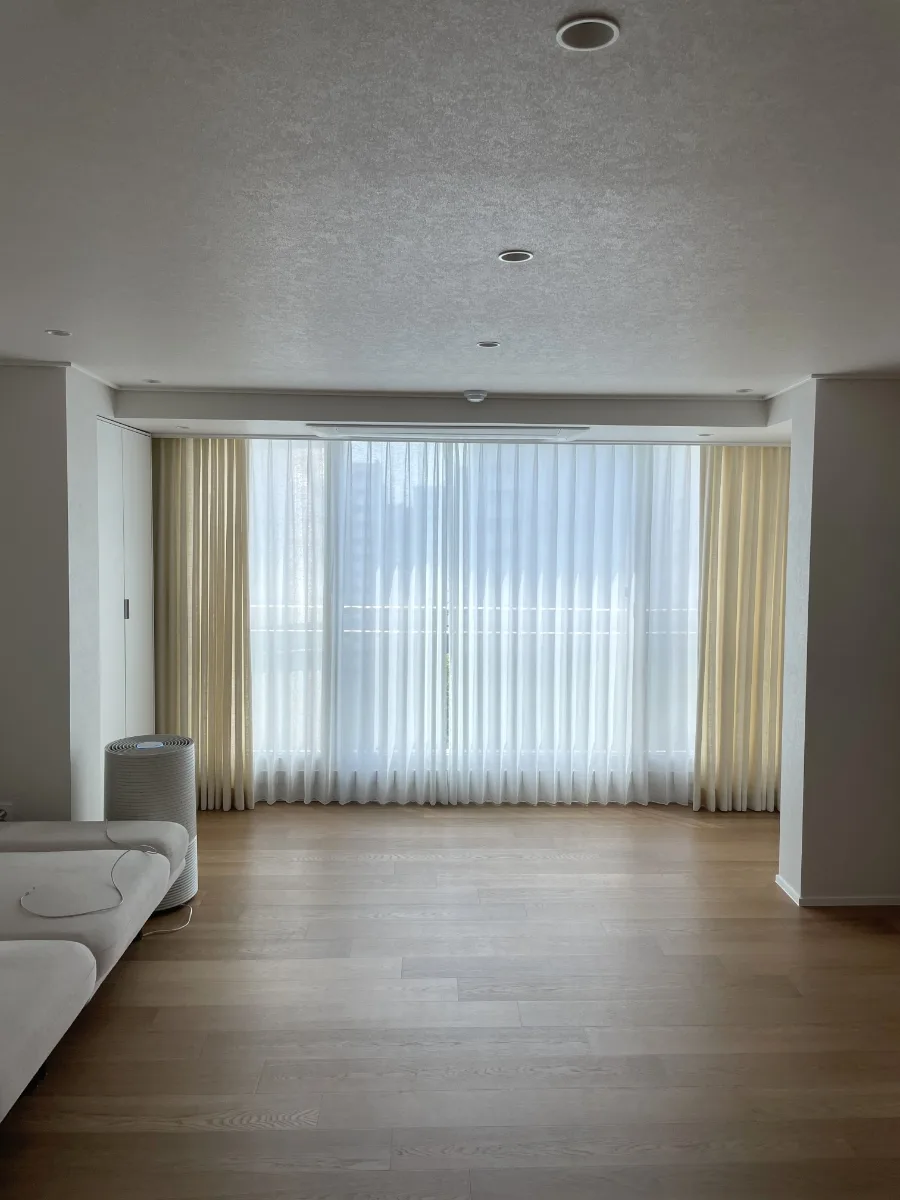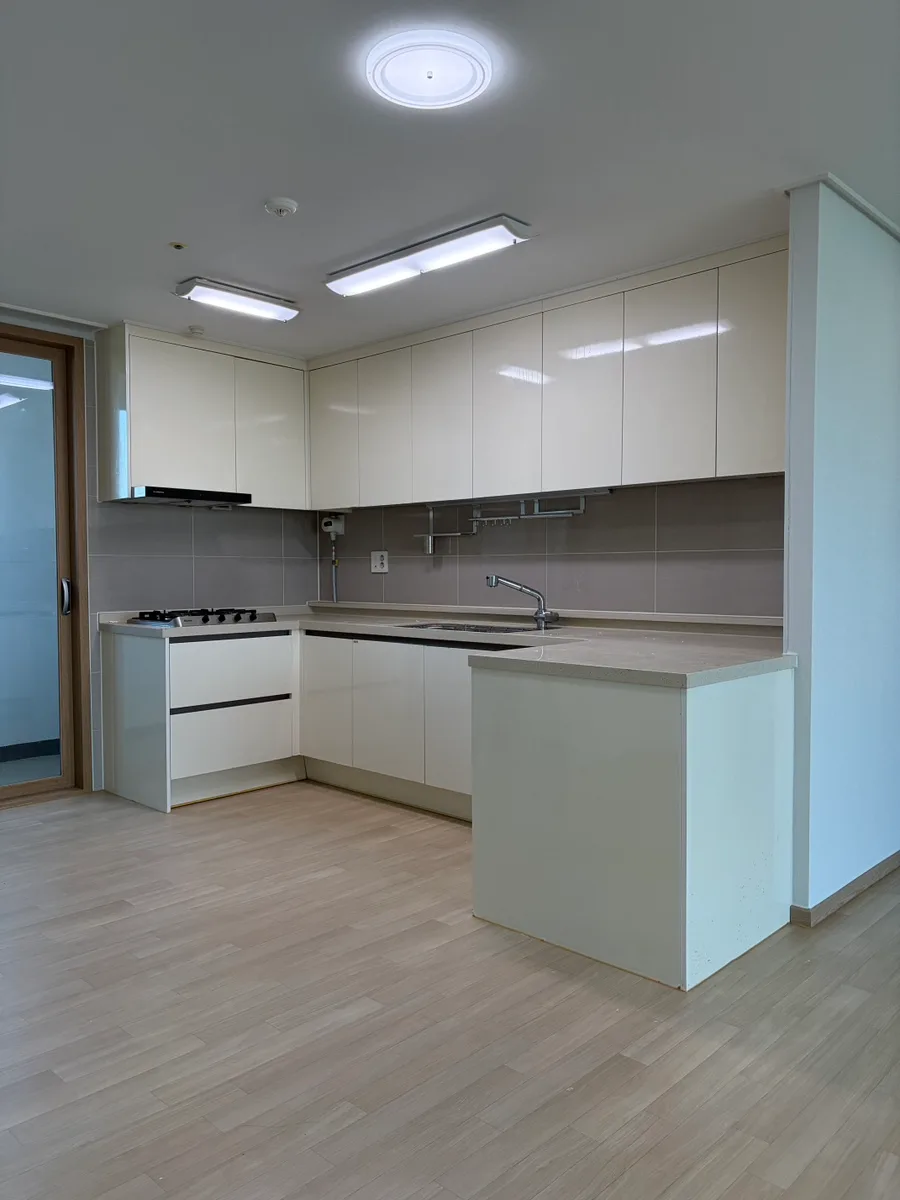
Revitalizing worn-out kitchen cabinets and appliance fronts with interior film is a smart, cost-effective remodeling solution for 2026. This guide breaks down how to achieve a fresh, modern look, drawing inspiration from Korean interior design trends that emphasize clean lines and durable finishes. For instance, applying a neutral-toned film like the popular 'Yeonglim PS170' can dramatically enhance your kitchen's ambiance, making it appear brighter and more spacious, much like the minimalist aesthetic favored in many Korean homes.
When Is Kitchen Cabinet Film Installation Necessary?
Over time, kitchen cabinets can become worn, scratched, or even damaged by moisture, detracting from your kitchen's overall appeal and hygiene. Instead of the significant expense and disruption of a full cabinet replacement, interior film offers a practical and budget-friendly alternative. This method is particularly effective for various cabinet configurations, including straight, L-shaped, and U-shaped layouts common in many apartments. The transformation is remarkable, turning tired, outdated cabinets into a sleek, contemporary focal point. Popular Korean interior design trends often feature these film applications to achieve a high-end look without the high-end price tag, making it an accessible upgrade for many homeowners.
Choosing the Right Interior Film for Your Kitchen
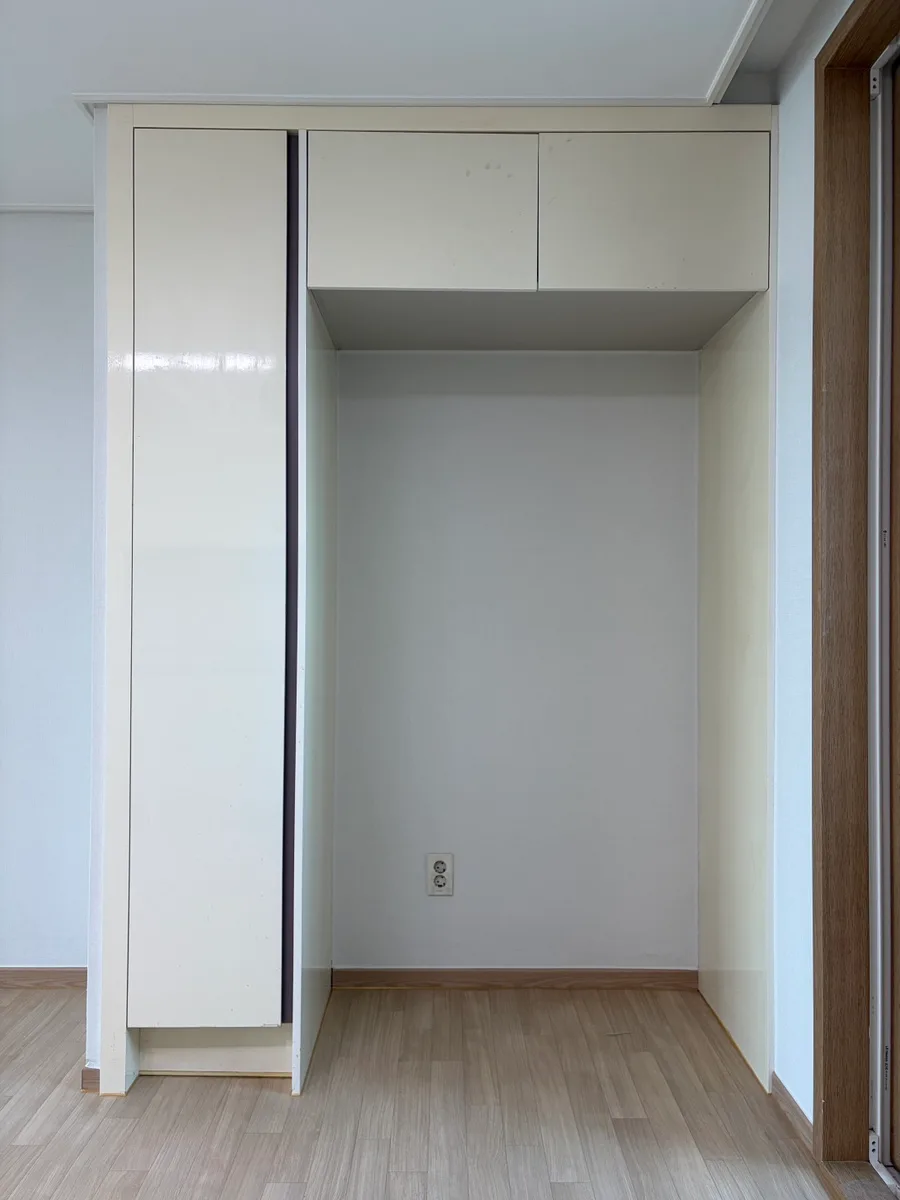
Selecting the appropriate interior film is crucial for both aesthetics and longevity. Prioritize films designed for kitchen environments, focusing on durability, water resistance, and ease of cleaning. Many high-quality films are also heat-resistant and stain-proof, essential for a high-traffic area like the kitchen. Consider a neutral, matte finish like the 'Yeonglim PS170' (a popular choice in Korea) for a versatile, modern look that complements various decor styles. This type of film can make your kitchen appear larger and brighter. When choosing, always examine physical samples and consult with a design professional to match the film to your kitchen's lighting, existing elements, and overall aesthetic. This ensures a cohesive and stylish outcome, aligning with the 'Korean apartment style' that emphasizes understated elegance.
The Kitchen Cabinet Film Installation Process
A successful interior film installation hinges on meticulous preparation. The process begins with thoroughly cleaning the cabinet surfaces to remove all dust and grease. Any existing caulk or sealant is carefully removed. Next, a primer is applied to the cabinet doors and frames to ensure optimal adhesion of the film. Once the primer is dry, the precisely cut film is applied smoothly, ensuring no air bubbles or wrinkles. This step requires skill, especially around curved edges and corners, to achieve a seamless finish. This meticulous process is applied to all components, including appliance fronts, upper cabinets, and lower cabinets, resulting in a transformation that rivals brand-new installations. Comparing before-and-after photos clearly illustrates the dramatic impact of this technique, a hallmark of effective K-interior design.
Key Considerations for Kitchen Film Installation
When hiring a professional for kitchen film installation, several factors warrant attention. Firstly, verify the installer's experience and expertise, particularly with diverse cabinet types and complex designs. Choosing a reputable company with a proven track record in K-interior projects can lead to superior results. Secondly, discuss film options and pricing transparently. While budget-friendly films exist, they may lack durability or fade over time. Investing in high-quality, kitchen-appropriate film is more cost-effective in the long run. Lastly, always secure a detailed contract outlining the scope of work, materials used, and costs. For those living in apartment complexes like the original source's mention of Dongtan2 New City Sangrok Risuvil, reviewing examples of installations in similar units can be beneficial. Tailoring the approach to your specific kitchen conditions and desired outcome through thorough consultation is essential for achieving the desired Korean aesthetic room.
For more details, check the original source below.