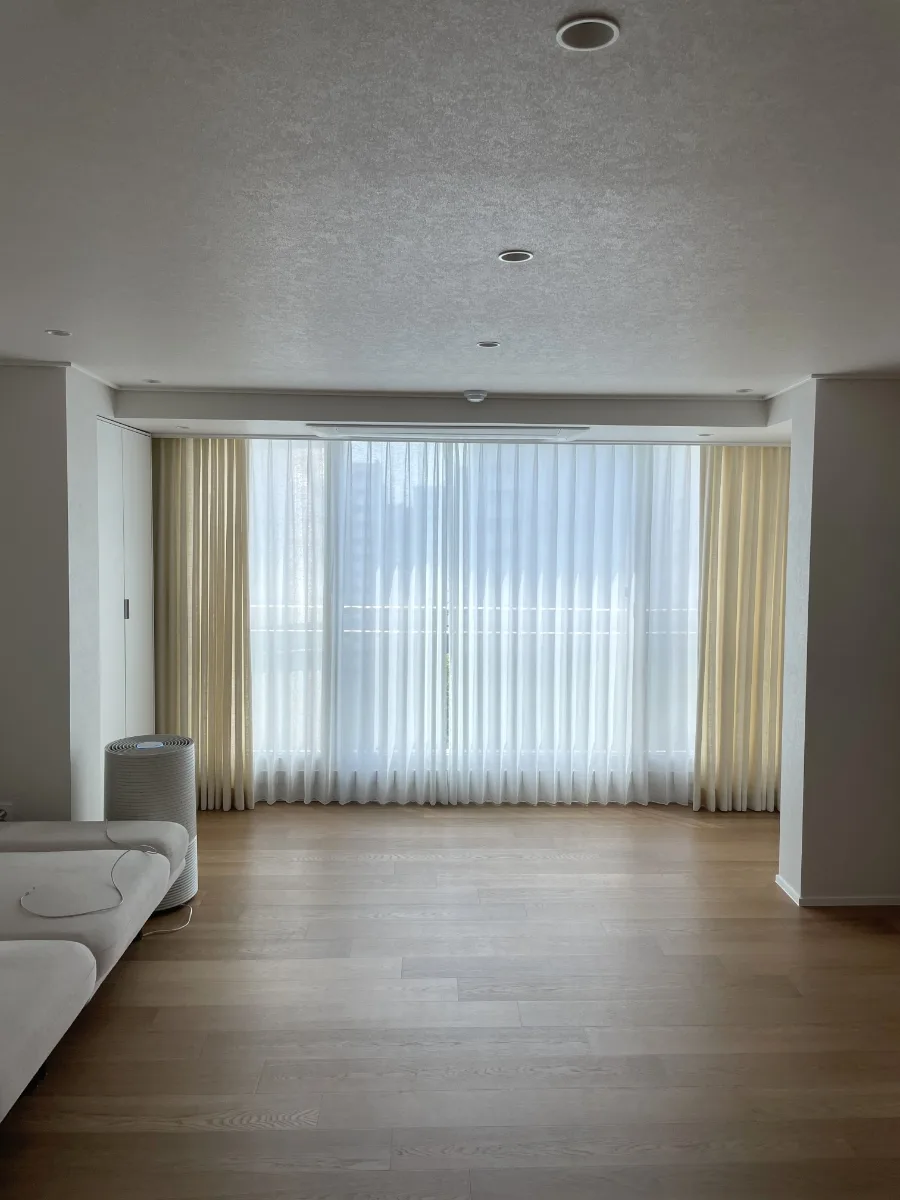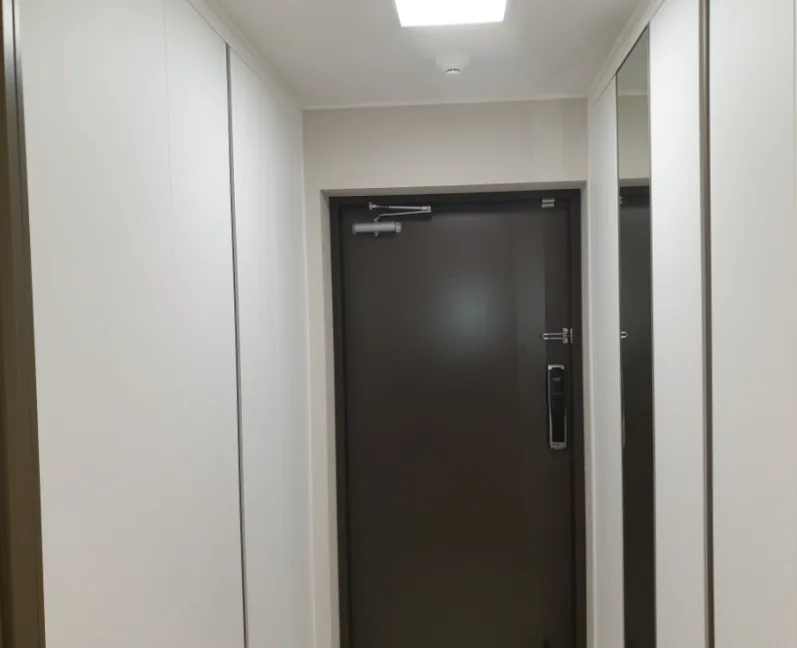
Applying interior film to your apartment is a popular and effective way to refresh your space. While it offers numerous aesthetic benefits, understanding its drawbacks is crucial before installation. This guide covers the pros and cons of interior films in 2026, explores different finish types, and provides essential tips for a successful application, all while keeping US market accessibility in mind.
Why Consider Interior Film for Your Apartment?
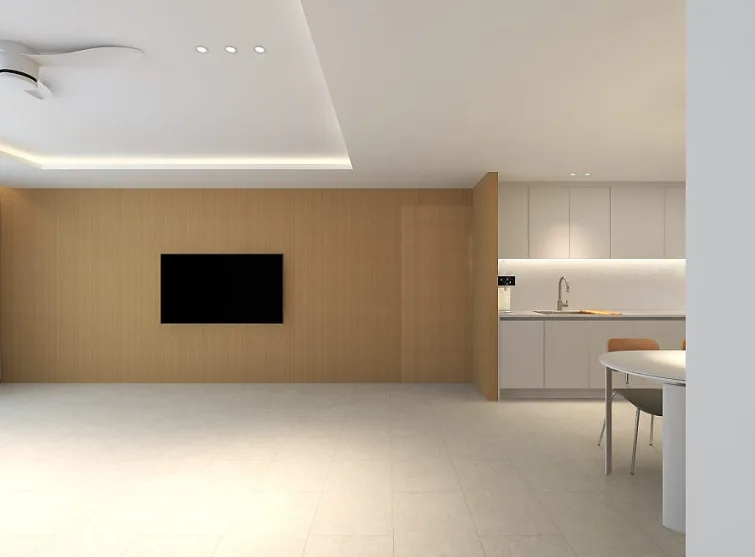
In recent years, interior films have surged in popularity as a trendy alternative to traditional wallpaper or paint for apartment renovations. These PVC-based films can mimic the look of real wood, marble, or metal, allowing for highly personalized interior designs. Their main appeal lies in their ability to dramatically transform a space's atmosphere at a relatively affordable cost, making them a budget-friendly choice for many. Interior films are versatile, applicable to walls, furniture, doors, and even kitchen and bathroom surfaces, offering a wide range of uses. For US consumers, this translates to an accessible way to achieve a high-end look without a major renovation budget, similar to how many approach IKEA or Amazon decor projects.
What Are the Pros and Cons of Interior Film Installation?
Interior film installation offers significant advantages but also comes with drawbacks that warrant careful consideration. Cost-effectiveness is a major draw; compared to traditional wallpapering or painting, films are considerably cheaper, making them ideal for budget-conscious renovations. The extensive design spectrum, featuring realistic textures like wood grain or marble, allows for personalized interiors that cater to individual tastes. Basic installation can even be a DIY project, adding to its convenience. Furthermore, films are generally water and scratch-resistant, simplifying maintenance and allowing for easy replacement if damaged. However, films can be less durable than paint, potentially peeling or showing wear over time. Exposure to high temperatures or humidity can cause deformation, requiring caution in kitchens or bathrooms. Improper installation can lead to unsightly air bubbles or wrinkles, highlighting the importance of skilled application. For US consumers, understanding these trade-offs is key, much like comparing different types of laminate flooring or countertop materials available at Home Depot or Lowe's.
What Are the Different Types of Interior Film Finishes and Their Characteristics?
The type of finish on an interior film significantly impacts the overall feel of a space. High-gloss films reflect light, creating a modern and sophisticated ambiance, often used in living rooms or kitchens. Matte finishes, on the other hand, offer a softer, more natural look, popular for bedrooms or home offices. Films designed to mimic natural textures like wood, marble, or fabric can add a touch of luxury to any room. Specialized films, such as door films, are excellent for updating the look of entryways or interior doors, or for covering up damage. Kitchen films are designed to be resistant to grease and moisture, making them practical for cabinet fronts and backsplashes. Entryway films play a crucial role in setting the home's first impression, with a variety of colors and designs available to express personal style. US consumers can find similar aesthetic options at retailers like West Elm, CB2, or even on Amazon, allowing for a comparable high-end look.
Tips for Successful Interior Film Installation
Thorough preparation is essential for a successful interior film installation. Begin by thoroughly cleaning and drying the surface to ensure optimal adhesion. When applying the film, work slowly and apply consistent pressure, using a squeegee or similar tool to smooth out the film and prevent air bubbles. Many brands are available in the US, including options from LX Hausys (often found through specialized distributors or online) and various stone-effect films on Amazon. Comparing product features and prices from reliable brands is recommended. Depending on your DIY comfort level and the project's complexity, hiring a professional installer might be a worthwhile consideration to ensure a flawless finish.
What Are Common Mistakes to Avoid During Interior Film Installation?
The most frequent mistake during interior film installation is inadequate surface preparation. If the surface isn't clean or is still damp, the film may not adhere properly and could lift or develop air bubbles over time. Rushing the application or stretching the film too forcefully can cause tears or distortions. Incomplete or messy finishing around edges and corners can detract from the overall aesthetic. To avoid these pitfalls, allocate sufficient time for meticulous work, or consider hiring an experienced professional. For US consumers, investing in quality materials and proper installation can prevent costly reworks, much like choosing the right type of paint finish for a high-traffic area.
English crawl path
Next English reads from this pilot cluster
Continue through the category hub, latest English stories, and related posts so this translated article is not an isolated URL.
Tags
💬Frequently Asked Questions
What should I check first in Interior Film Pros & Cons 2026: Your Guide?
Does this Home & Interior article link back to the Korean source?
Where can I find similar English stories?
English discovery path
Explore more English K-culture stories
Keep browsing the indexed English pilot cluster so Google and readers can move between this story, the category hub, and fresh discovery pages.
Original Source
Read the Korean original