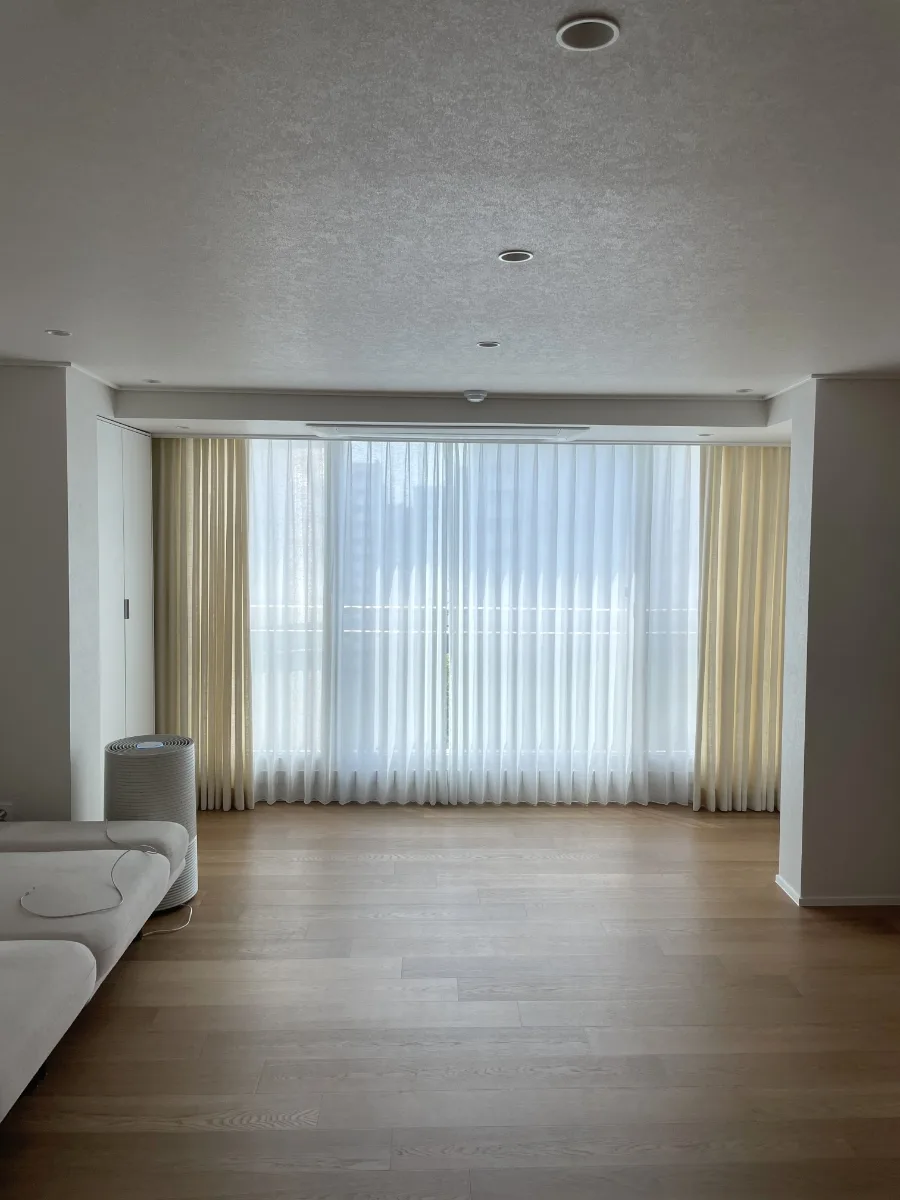
Ceiling fan installation in apartments with lower ceilings is feasible, especially with modern BLDC motor models offering quiet operation and minimal wobble. However, for safety and optimal performance, professional installation is highly recommended over DIY attempts. Experts ensure proper structural reinforcement and electrical wiring, crucial for preventing accidents and ensuring longevity.
Can You Install a Ceiling Fan in a Low-Ceiling Apartment?

Many homeowners hesitate to install ceiling fans in apartments due to perceived low ceiling heights, but this concern is largely unfounded. Numerous 'louvered' or slim-profile ceiling fan models are specifically designed for standard apartment ceilings, typically around 7.5 to 8 feet (2.3-2.4 meters). When combined with recessed lighting (like 3-inch downlights) or integrated into a coffered ceiling design, these fans can actually enhance the sense of space and add a sophisticated lighting element. Visual examples from low-ceiling installations often show an increase in perceived openness and an elevated aesthetic, rather than a feeling of being cramped. Therefore, the decision should focus more on how the fan complements the overall interior design rather than solely on ceiling height.
How to Address Ceiling Fan Noise and Wobble
Modern ceiling fans equipped with BLDC (Brushless Direct Current) motors operate exceptionally quietly, often producing less noise than a gentle white noise machine, making them suitable even for bedrooms. If you experience noise or wobbling, it's typically not a product defect but a result of improper installation. Installing a fan without understanding the ceiling's structural integrity can lead to vibrations and noise due to centrifugal force during rotation. Professional installers assess the ceiling's condition and apply appropriate reinforcement techniques to ensure the fan is securely mounted, thereby minimizing or eliminating noise and wobble for a stable and quiet operation.
Why is DIY Ceiling Fan Installation Risky?
While DIY videos might make ceiling fan installation seem straightforward, it's a structural undertaking that carries significant risks. A ceiling fan weighs between 11 to 18 lbs (5-8 kg) and rotates at high speeds, generating considerable centrifugal force. Simply attaching it to drywall or a standard ceiling joist without proper reinforcement can lead to the fan detaching and falling, posing a serious safety hazard. Professional installers utilize robust methods like concrete anchor installation or sturdy wooden bracing to ensure the ceiling can safely support the fan's weight and rotational forces. This structural integrity is paramount and cannot be reliably achieved without professional expertise and tools.
What Are the Advantages of Professional Installation?
Professional installers offer more than just secure mounting; they handle complex electrical wiring and ensure a clean, seamless finish. Replacing a central light fixture with a ceiling fan often requires rerouting or splitting electrical circuits to accommodate separate controls for the fan and any new lighting. This intricate wiring demands a deep understanding of electrical codes to prevent short circuits, power surges, or even fire hazards. Furthermore, professionals possess the skills to minimize disruption to your ceiling, such as carefully managing drywall cuts and ensuring a neat finish around the fan base, often integrating it with smart home systems for enhanced convenience. Opting for professional installation guarantees safety, proper functionality, and a polished aesthetic that DIY attempts often fail to achieve.
English crawl path
Next English reads from this pilot cluster
Continue through the category hub, latest English stories, and related posts so this translated article is not an isolated URL.
Tags
💬Frequently Asked Questions
What should I check first in Ceiling Fan Installation: Why Pros Beat DIY in 2026?
Does this Home & Interior article link back to the Korean source?
Where can I find similar English stories?
English discovery path
Explore more English K-culture stories
Keep browsing the indexed English pilot cluster so Google and readers can move between this story, the category hub, and fresh discovery pages.
Original Source
Read the Korean original