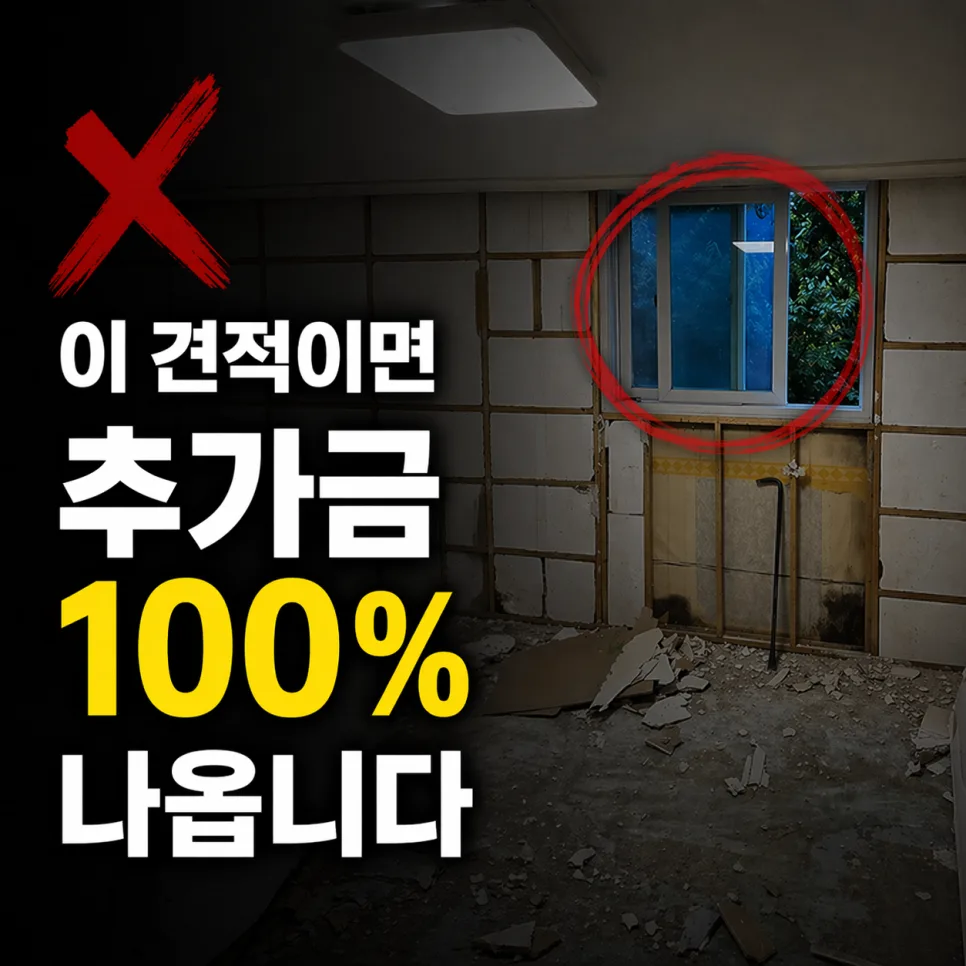
In 2026, interior design estimates can hide hidden costs, leading to unexpected charges. While these traps are hard to spot before signing, understanding a few key details can save you thousands of dollars.
Why Do Interior Design Upcharges Happen? Key Causes for 2026
The primary reason for unexpected additional costs in interior renovations is often missing items in the initial estimate. For instance, demolition scope might be partially included, or costs for electrical upgrades, basic carpentry, and material upgrades are billed separately. These omissions become 'additional' charges during the project, significantly inflating the total bill. In some cases, a project starting at $24,000 could balloon to $31,000, an increase of nearly $7,000. This isn't an isolated incident; it's a common pattern many homeowners face. Therefore, meticulously reviewing the items included in your estimate before signing is crucial.
How to Spot Estimates Prone to Upcharges

Estimates with a high risk of additional charges often share common traits. Firstly, they emphasize the total price without detailing specific line items, which can be a tactic to appear cheaper initially before demanding more money during construction. Secondly, they might only list a few major items like flooring or kitchen renovations, resembling a rough note rather than a detailed quote, potentially missing many necessary components. Thirdly, estimates lacking specific quantities for materials, such as square footage or exact counts, and using vague terms like 'full renovation' or 'basic work included' are highly suspect. It's safe to assume these estimates will likely incur extra costs. Identifying and avoiding these 'trap estimates' before committing is essential.
Why Choosing Experienced Interior Designers Matters
The outcome and cost of an interior renovation can vary significantly based on the designer's experience. Inexperienced professionals may overlook necessary work or fail to optimize space and flow. In contrast, seasoned designers maximize space utilization and provide accurate cost projections, minimizing the likelihood of additional charges. For older homes, particularly, experienced designers understand the nuances of existing structures, leading to more precise work and cost savings. It's also vital to verify their after-service (A/S) policy for any post-completion issues. If the scope of responsibility or A/S terms are unclear, you might bear the full burden of any problems that arise. Selecting a trustworthy and experienced design firm is paramount.
Interior Design Contract Checklist: What to Verify Before Signing
Before finalizing your interior design contract, conduct a thorough review of several key aspects. First, ensure all listed renovation items are specific and clear. A vague description like 'kitchen remodel' isn't enough; you need details on materials, specific processes, and finishes. Second, meticulously check the estimate for any missing components, such as exact square footage, material quantities, and the full scope of demolition work. Clarifying these details upfront prevents unexpected charges later. Finally, ensure the warranty and after-service (A/S) terms, including responsibility for defects, are clearly defined in the contract. This due diligence is your best defense against hidden costs and ensures a smoother renovation process.
For more details, check the original source below.