Dealing with pests in first-floor apartments, especially those adjacent to gardens, can be a major challenge. Fortunately, by leveraging the latest screen materials and sealing techniques available in 2026, you can effectively tackle these issues and create a more comfortable living environment. This guide will walk you through the best solutions for keeping unwanted critters out.
What Are the Main Entry Points for Pests in 1st Floor Apartments?
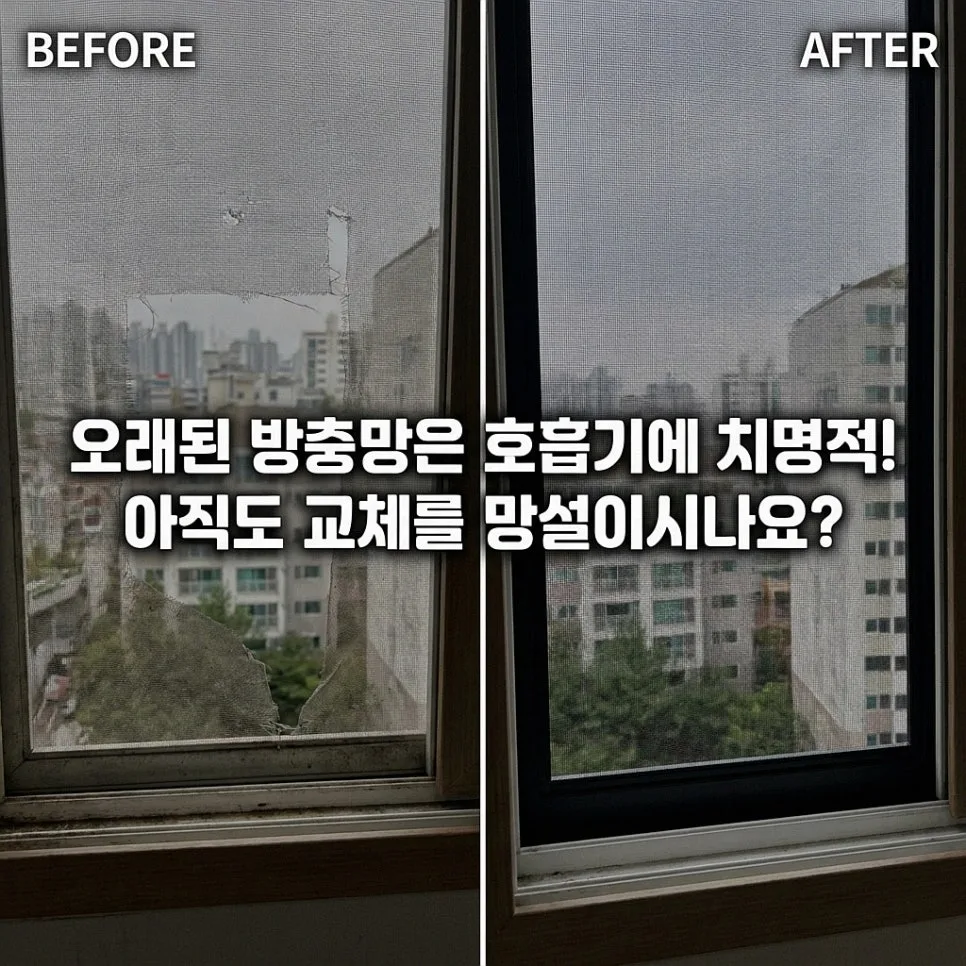
First-floor apartments, particularly those located near garden areas, are highly susceptible to pest infiltration. From crawling insects like pill bugs and silverfish originating from outdoor garden beds to flying pests such as fruit flies and mosquitoes, a variety of creatures can find their way inside. These pests typically enter through tiny gaps in window screens, drainage holes in the window sills, or worn-out weatherstripping (the fuzzy material along the screen frame). During warmer months, increased humidity and temperatures further encourage pest activity, exacerbating the problem. In my experience, first-floor units see significantly more pest activity compared to higher floors, and once inside, they can quickly multiply. Therefore, it's crucial for first-floor residents to identify these entry points and implement appropriate sealing solutions.
What Are the Best Screen Materials for 1st Floor Apartments in 2026?
When selecting screens for a first-floor apartment in 2026, durability and effective pest blocking are key. Stainless steel screens (22-24 mesh) offer excellent longevity and robust protection against larger insects. For those concerned about tiny flying insects like gnats or midges, consider a fine mesh screen made from monofilament (30-32 mesh). These ultra-fine screens create a barrier that even small pests can't penetrate. Standard aluminum screens, while common, are less ideal for humid environments as they can corrode over time, reducing their effectiveness and lifespan. Investing in higher-quality materials like stainless steel or fine mesh ensures a more reliable defense against pests, especially in ground-level units where the risk is higher.
How Can You Enhance Screen Security for Homes with Pets or Children?
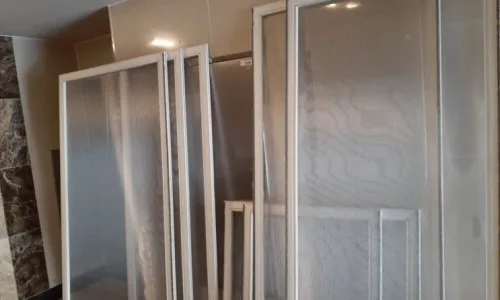
For first-floor households with pets or young children, prioritizing safety alongside pest control is essential. High-strength stainless steel screens are highly recommended, especially when paired with added locking mechanisms. These locks not only prevent pests from being pushed through the screen but also add an extra layer of security against accidental openings by children or pets exploring near windows. Some advanced screens also feature a pet-resistant design, made from materials that are more resistant to tears and punctures from claws. Ensuring that all window and door screens are securely fastened and functioning correctly can significantly reduce the risk of both pest entry and potential accidents, providing peace of mind for families living on the ground floor.
Why Are Weatherstripping and Draft Stoppers Crucial for Pest Prevention?
Weatherstripping (often called 'mohair' in Korean contexts) and draft stoppers play a vital role in preventing pests by sealing gaps between the screen frame and the window or door frame. Over time, this weatherstripping can wear down, creating entry points for insects. For first-floor units, using longer, denser weatherstripping (12mm or more) is recommended to ensure a tighter seal. Draft stoppers, installed along the bottom track of sliding doors or windows, further block any remaining gaps where pests might enter. Checking the condition of these components during screen installation or maintenance is critical. Replacing worn-out weatherstripping and ensuring draft stoppers are properly fitted can significantly enhance your home's defense against crawling insects and improve overall energy efficiency by reducing drafts.
What Essential Checks Are Needed During Screen Installation or Replacement?
When installing or replacing window and door screens, several key components require careful inspection to ensure maximum pest protection. The weatherstripping along the screen frame edges should be checked for wear and tear; replacing it with longer, denser material (at least 12mm) is crucial for a tight seal. For the window sills, especially on the first floor, ensure that any drainage holes are covered with specialized mesh repair tape that allows water to escape but blocks insects. Additionally, check the condition of the draft stoppers located at the ends of the sliding door or window tracks. These should fit snugly to prevent pests or drafts from entering. Verifying the integrity of these hardware components during installation is essential not only for pest control but also for maintaining the energy efficiency of your home.
Consult with a professional for detailed installation and inspection advice.