Recovering from stroke sequelae with integrated rehabilitation therapy, combining Western and Korean medicine, plays a crucial role in improving patient recovery speed and quality of life. The goal is to restore physical function and facilitate a return to daily life through systematic rehabilitation programs and specialized treatments.
Why Is Systematic Rehabilitation Therapy Essential for Stroke Recovery?
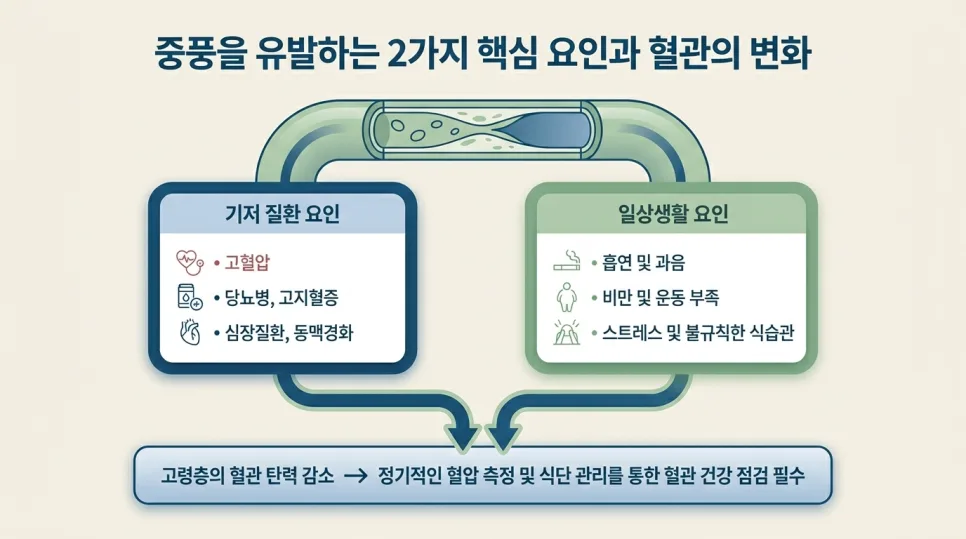
A stroke, caused by a blockage or rupture in brain blood vessels, can lead to various sequelae such as hemiplegia, speech impairment, and cognitive decline. These after-effects often don't resolve on their own and can worsen if left untreated. Therefore, starting professional rehabilitation therapy as soon as possible after a stroke is critical. Through physical therapy, occupational therapy, and speech therapy, patients can maximize the recovery of damaged functions and learn to effectively utilize remaining abilities. Preventing complications like pressure sores and pneumonia, and consistent management, are also essential to lower the risk of recurrence. In practice, patients who undergo a systematic rehabilitation process show significantly higher rates of returning to daily life compared to those who don't.
How Does Integrated Western and Korean Medicine Help Stroke Recovery?
Our facility offers a comprehensive management system for stroke sequelae recovery, integrating Western medical treatments with Korean traditional medicine approaches. Korean therapies like acupuncture, moxibustion, cupping, and pharmacopuncture are effective in restoring damaged neural functions and boosting vitality. Furthermore, personalized herbal medicine prescriptions, tailored to each patient's constitution and symptoms, help enhance immunity and improve overall physical function. This integrated approach has the advantage of achieving effective treatment outcomes while minimizing physical burden, especially for elderly patients. Many patients have responded positively to integrated therapy, experiencing pain relief and functional recovery. This forms a crucial foundation for patient-centered, customized treatment planning.
Restoring Daily Life Through Physical Therapy and Functional Training for Stroke Sequelae
Essential physical therapy and functional training for stroke patients focus on restoring lost muscle strength and improving walking ability. Experienced therapists conduct precise assessments of the patient's motor skills to provide individualized training programs. Through repetitive exercises like walking, climbing stairs, and sitting up independently, physical functions are gradually improved. Occupational therapy is also provided concurrently to enhance the ability to perform daily living activities such as eating, dressing, and personal hygiene. These training sessions aim to boost the patient's confidence in living independently and ultimately facilitate their reintegration into society. With consistent training, patients often experience remarkable recovery progress.
How Are Stroke Patient Complications Managed with Specialist Surgical Diagnosis?
Stroke patients often spend extended periods bedridden, increasing the risk of developing pressure sores. Our facility can promptly and professionally manage such complications without needing to transfer patients to a higher-level hospital. Our lead physician, a specialist in surgery, directly diagnoses the patient's skin condition, comprehensively evaluating the degree of necrosis, abscess formation, and infection status. Based on this assessment, the patient's...