
In 2026, the most effective way to avoid costly dental treatments is by prioritizing prevention and consistent oral care. Understanding the difference between proactive care and reactive treatment can save you significant money and discomfort. This guide explores how to effectively prevent cavities and tooth sensitivity through proper fluoride toothpaste use, choosing the right toothbrush, and maintaining good brushing habits, drawing insights from Korean wellness approaches.
What's the Difference Between Dental Prevention and Treatment?
Maintaining a healthy mouth goes beyond just brushing your teeth. Prevention involves proactive steps taken before dental issues arise, making it the most reliable method for long-term cost savings on expensive treatments. For instance, correctly using fluoride toothpaste strengthens tooth enamel and effectively prevents cavities. Consistent preventive care is the direct path to avoiding unexpected, high-cost dental procedures. Think of it like regular car maintenance: routine check-ups and fluid changes prevent major breakdowns. Your teeth also require consistent preventive care to stay healthy.
Why Does Tooth Sensitivity Suddenly Appear?
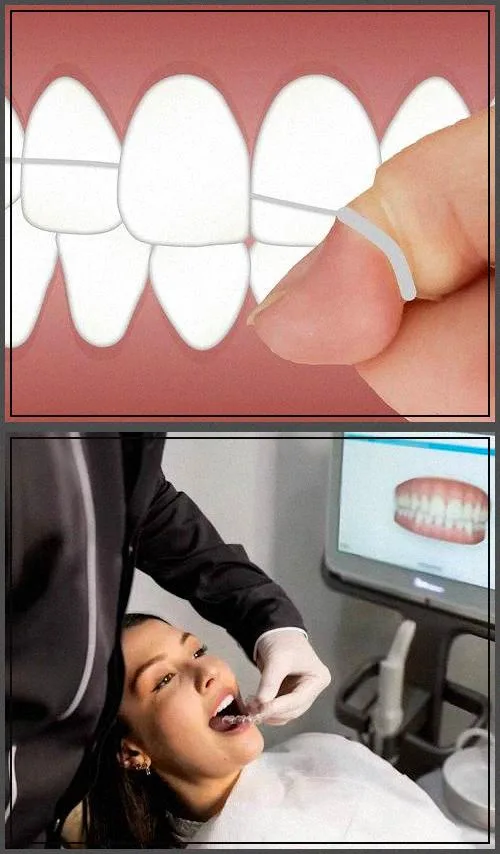
It's common to experience sudden tooth sensitivity or pain without prior issues. A primary cause is enamel erosion from aggressive brushing habits. Brushing too hard or with a stiff brush can wear down the protective outer layer of your teeth, exposing the underlying dentin and nerves, which leads to pain. Frequent consumption of acidic foods and drinks, or teeth grinding (bruxism), can also weaken enamel. Recognizing that seemingly minor daily habits can accelerate tooth aging and increase sensitivity is crucial. Therefore, accurately assessing your oral condition and adopting a tailored care routine is essential.
How Do I Choose the Right Toothbrush for Me?
With so many toothbrush options available, selecting the right one can feel overwhelming. To simplify your choice, first assess your gum health. If your gums are delicate or sensitive, opt for a soft-bristled brush rather than a hard one to prevent damage to your teeth and gums. The size and shape of the brush head also matter. A smaller head can reach difficult areas more effectively, ensuring a thorough clean. Ultimately, the best toothbrush is the one that best suits your individual oral needs. Just as comfortable, functional shoes enhance your workout, the right toothbrush is vital for maintaining your oral health.
How Can I Prevent Cavities and Sensitivity with Proper Brushing?
Even with fluoride toothpaste, the effectiveness of cavity prevention can be limited without proper brushing techniques. The key is not just surface cleaning, but meticulously removing food particles lodged between teeth. Brush gently, using a sweeping motion from the gum line towards the tip of the tooth. This technique is also beneficial for gum health. Incorporating dental floss or interdental brushes is essential to remove plaque from areas your toothbrush can't reach. These practices can significantly help in addressing the root causes of sudden tooth sensitivity. By examining your diet and using the right oral hygiene tools, you can quickly notice a reduction in discomfort.
For more detailed oral care tips, check the original source below.