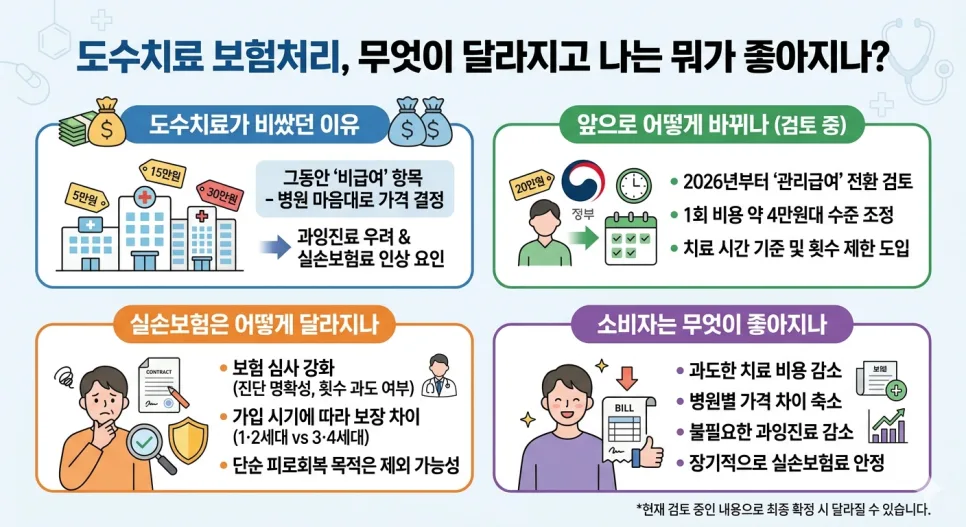
Starting in 2026, insurance coverage for manual therapy in Korea will undergo significant changes. The cost per session is expected to be adjusted to around $30-35 USD, and treatment frequency limits will be introduced. These updates aim to reduce overtreatment and stabilize private health insurance premiums for patients.
Why Are Korean Manual Therapy Insurance Policies Changing in 2026?
Recent news about manual therapy insurance coverage in Korea has caused confusion for many, especially those frequently seeking treatment for back or neck pain. The Korean government is planning to reform the manual therapy system starting in 2026, potentially altering pricing, insurance processing, and treatment frequency. These changes are driven by the need to address the current system where non-covered 'non-benefit' items lead to wide price disparities between clinics and excessive claims on private health insurance, ultimately driving up premiums. In my experience, manual therapy costs in Korea previously varied dramatically, from approximately $40 to over $200 USD per session, with some clinics prioritizing patients with private insurance and recommending higher-priced treatments. This controversy over overtreatment has prompted government intervention.
What's New with Korean Manual Therapy Under Managed Care?
The core of the government's initiative is to transition manual therapy into a 'managed care' category. This means it won't be entirely non-covered nor fully covered by general health insurance, but rather managed in a middle ground. Patients will bear a portion of the cost, while the government sets standards for pricing and treatment frequency. Key aspects under consideration include adjusting the cost per session to approximately $30-$35 USD (40,000-43,000 KRW), establishing specific treatment duration guidelines, and implementing frequency limits. Treatments exceeding these new standards may have limited insurance coverage, potentially requiring patients to pay the full cost out-of-pocket. This reform aims to reduce the current wide price gaps among clinics and offer patients more reasonable treatment costs, leading to a positive impact on patient expenses.
How Will Private Health Insurance Claims for Manual Therapy Change?
Manual therapy won't be entirely excluded from private health insurance, but insurers are expected to conduct more rigorous reviews. Insurance companies will more closely examine the actual necessity of treatment, the physician's clear diagnosis, and the appropriateness of the treatment frequency. Coverage details can also vary significantly based on when your private health insurance policy was purchased. While 1st and 2nd generation policies generally offer broader coverage and lower deductibles, 3rd and 4th generation policies may have increased deductibles, separate add-ons for manual therapy, or premium hikes for frequent users. Consequently, it's becoming increasingly difficult to access unlimited manual therapy with more recently purchased insurance plans. These changes are anticipated to curb unnecessary treatments and contribute to stabilizing insurance premiums.
What Are the Limits for Manual Therapy and What Happens If You Exceed Them?
Current discussions suggest a frequency limit of approximately twice per week, with a maximum of 15 sessions per year. However, for medically necessary cases such as post-surgical rehabilitation, up to 24 sessions might be additionally approved. This reflects the government's intention to limit prolonged, indefinite treatment structures. The government is considering restrictions on repetitive visits to multiple clinics, long-term continuous treatment, or repeated therapies lacking sufficient medical evidence. If you undergo treatment exceeding the established frequency or criteria, insurance coverage may be limited, potentially requiring you to bear the full cost. Therefore, moving forward, it will be crucial to prioritize the actual treatment purpose and medical necessity over simply relying on 'it's covered by insurance' for continuous care. Consulting with specialists about your individual health condition and treatment needs is essential.
For more details, check the original source below.