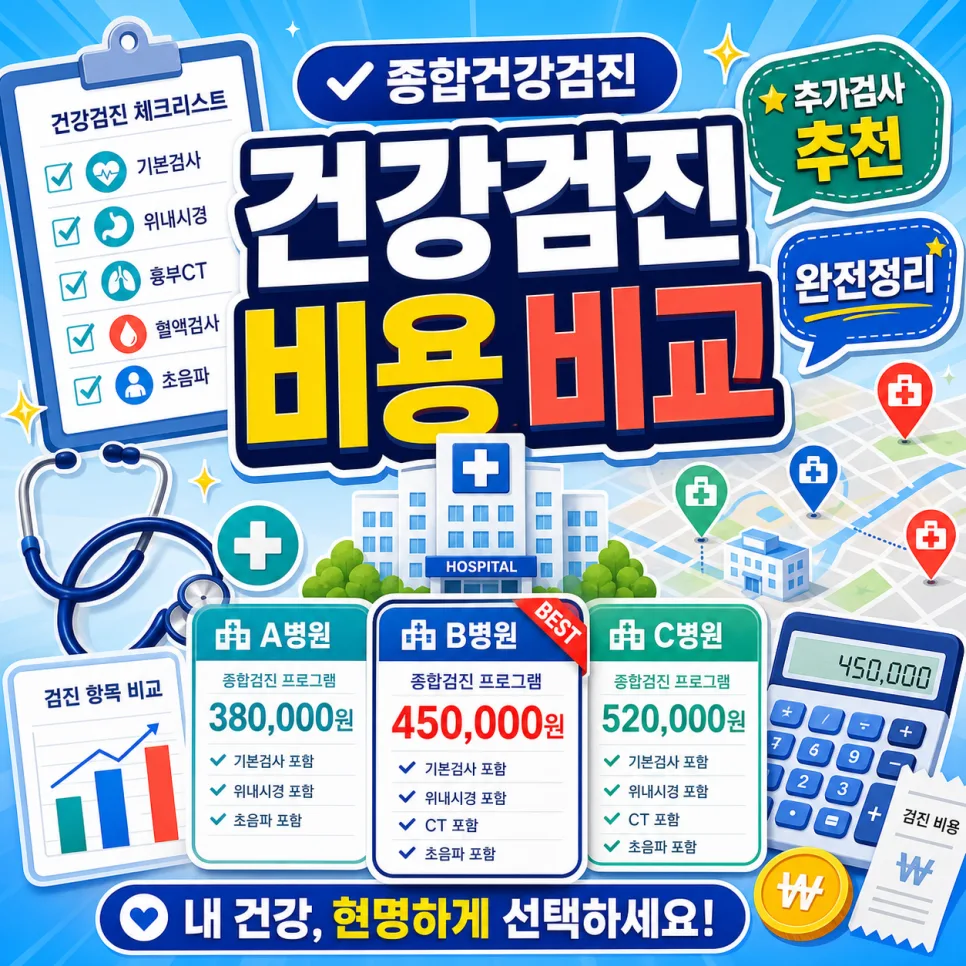
The cost of a comprehensive Korean health check-up can range widely from hundreds to over $1,500 USD, depending on the hospital's scale and the specific tests included. Instead of just comparing prices, it's crucial to design a personalized screening plan that considers your health status and family history for a cost-effective and efficient check-up.
Why Do Korean Health Check-up Costs Vary by Clinic?
The primary differences in comprehensive health check-up costs stem from the level of medical equipment, the composition of medical staff, and the precision of the tests offered. University hospitals and large screening centers often have the latest high-end equipment like MRI and CT scanners, leading to higher accuracy but also higher prices. In contrast, specialized screening centers may offer essential tests at more reasonable prices through efficient processes. Understanding which tests are covered by national health insurance and the potential for reimbursement through private health insurance can significantly reduce your out-of-pocket expenses. For instance, structuring your package to exclude overlapping items with national health screenings can prevent unnecessary spending.
How Do I Choose the Right Health Check-up Tests for Me?
Rather than opting for the most expensive package with the most tests, it's essential to optimize your test selection by considering your family history and personal health habits. For individuals in their 20s and 30s, adding a simple upper endoscopy or thyroid ultrasound to basic screenings can provide significant preventive benefits. While the risk of major illnesses is lower at younger ages, early detection is key to preventing the progression to chronic diseases. For those aged 40 and above, or with risk factors like smoking or drinking, it's highly recommended to include detailed cardiovascular and cancer screenings. Tailoring your tests to accurately assess your individual health status and risk factors is the core of an economical and effective screening.
What Additional Tests Are Recommended During a Korean Health Check-up?
Adding tests that complement basic screenings can be highly effective in mitigating your specific risk factors. For example, an MRI of the brain or an echocardiogram, while potentially costly, can play a crucial role in the early detection of cerebrovascular or heart diseases. These detailed examinations can increase treatment success rates through early diagnosis and, in the long run, prevent greater medical expenses. While the check-up cost itself might not be covered by private health insurance, additional tests performed due to suspected conditions or subsequent treatments may be eligible for reimbursement. Always check your policy details beforehand.
What Essential Checklist Should I Review Before Booking a Korean Health Check-up?
Before booking, carefully verify if the clinic possesses the specific testing equipment you require and thoroughly review the preparation guidelines, such as fasting periods. You can significantly save costs by identifying and excluding tests that overlap with the national health screening program. It's also crucial to confirm whether the clinic offers systematic consultations with specialists after the results are in and if they have a well-established system for referring patients to higher-level hospitals if any abnormalities are found. This pre-check ensures a satisfactory screening experience and an accurate assessment of your health status.
Investing in your future health through a comprehensive check-up is the most reliable strategy. Make a wise choice with careful comparison and planning to safeguard your well-being.