
Addressing hair loss concerns in your 20s and 30s is crucial, as delaying management can make recovery significantly harder. Your scalp's vascular health is at its peak when you're young, ensuring optimal nutrient delivery and regeneration. Starting early intervention during this 'golden time' leads to more effective results.
Why Should 20s and 30s Prioritize Hair Loss Management?
The age of onset for hair loss is decreasing, leading to increased interest in management among younger demographics. This isn't just about younger people experiencing hair loss; it's also about recognizing the critical 'golden time' for effective treatment. In your 20s, your scalp boasts a dense network of blood vessels, ensuring 100% nutrient and oxygen delivery to the hair follicles. This robust vascularity allows for rapid responses to external stimuli and superior regenerative capabilities. Studies show that a scalp in its early 20s, with its intricate vascular web, can yield immediate improvements with timely intervention. However, this optimal scalp condition changes over time. Factors like chronic stress, aging, and Westernized dietary habits can lead to gradual constriction and eventual loss of these vital blood vessels. This impedes nutrient supply to the hair follicles, accelerating hair loss. Therefore, proactively managing hair loss during your youth, the 'golden time,' is paramount for long-term success.
What's the Key Difference Between Young and Aging Scalp Health?
Young scalps, typically in individuals in their 20s and 30s, feature a highly active and densely distributed vascular system, resembling a fine net. This robust vascular network ensures efficient delivery of nutrients and oxygen to the hair follicles. Consequently, the scalp demonstrates a high regenerative capacity, allowing for noticeable positive responses to hair loss treatments relatively quickly. In contrast, scalps in older individuals, often in their 60s and 70s, tend to have diminished blood flow and circulation. This is due to the gradual disappearance of micro-vessels as part of the aging process or as hair loss progresses. When these vessels are compromised, even the most potent supplements or shampoos struggle to deliver essential nutrients to the follicles, creating a 'delivery interruption.' Recreating these lost vascular pathways is a costly and time-consuming endeavor, making early scalp health management a far wiser investment. Even for hair transplant surgery, the success rate and longevity of transplanted hair depend heavily on the availability of a healthy vascular network to support the new follicles.
What Are the Complex Causes of Hair Loss in Your 20s and 30s?
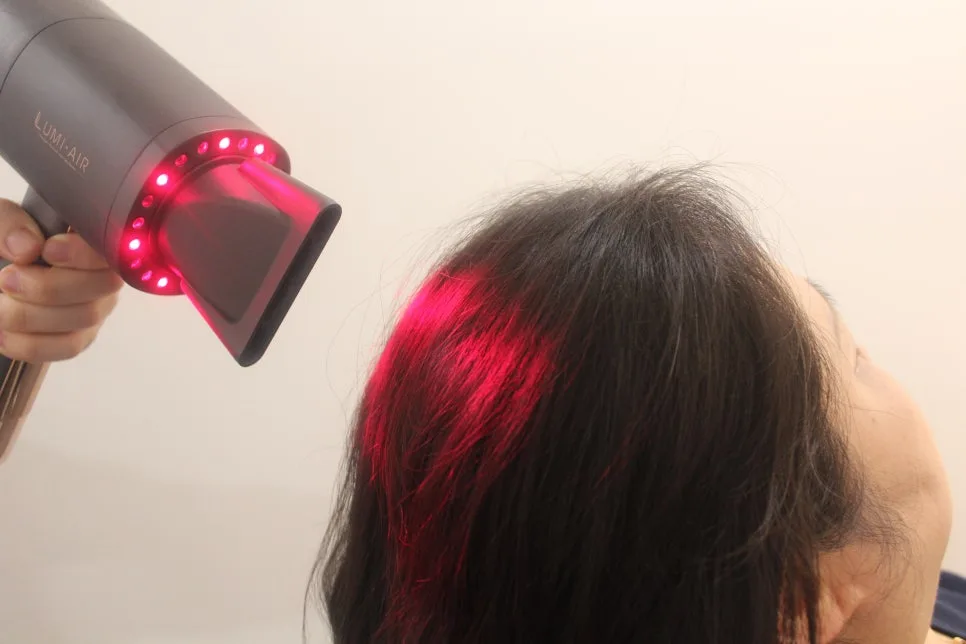
Modern young adults in their 20s and 30s undeniably face a more complex array of factors contributing to hair loss compared to previous generations. Firstly, chronic stress and resulting scalp circulation issues play a significant role. High levels of work-related pressure, academic demands, and anxieties about the future can overstimulate the autonomic nervous system, leading to blood vessel constriction. The scalp's blood vessels are particularly susceptible to this effect, and reduced blood flow can accelerate hair loss. Secondly, Westernized dietary habits are a concern. Diets high in saturated fats and refined carbohydrates can thicken the blood and impede microcirculation. While a youthful metabolism might initially mask these effects, over the long term, the efficiency of nutrient delivery to the hair follicles gradually declines. These combined factors create a detrimental scalp environment, triggering or worsening hair loss.
What is the Fundamental Approach to Hair Loss Management?
The most effective strategy for hair loss management focuses not on superficial solutions like hair transplantation or extensions, but on fundamentally improving the scalp's vascular health and enhancing the regenerative capacity of the hair follicles. Drawing upon 32 years of clinical experience and extensive scientific data compiled in 13 professional books, the key is to optimize microcirculation in the scalp and create an environment where follicles can thrive naturally. This involves using advanced equipment for microscopic analysis to accurately diagnose the condition of scalp blood vessels and hair follicles, followed by non-surgical, non-invasive treatments designed to promote follicle regeneration without pain or disruption to daily life. Furthermore, personalized management plans, developed through one-on-one consultations with experts who possess 24 years of university lecturing experience and extensive publication records, are crucial for addressing individual scalp needs. Thinning hair and receding hairlines visible in the mirror can be signals of vascular aging in the scalp. Hair loss management has a critical golden time; delaying action now will require significantly more time and effort for recovery later.
What Common Mistakes Do People Make in Hair Loss Management?
A frequent error in hair loss management is focusing solely on immediate, visible hair growth rather than addressing the root cause: the scalp's vascular health. Many consider hair transplantation as a last resort, but its success and longevity are significantly compromised if the underlying vascular environment isn't conducive to supporting the transplanted hair. Relying on unverified information or succumbing to fear-based marketing by using products or methods lacking scientific evidence is also risky. Hair loss management requires a long-term perspective. It's essential to accurately diagnose the specific causes of hair loss for an individual and apply solutions based on scientific data. Instead of getting lost in a sea of conflicting information, consulting with experts to focus on fundamental scalp health improvement is the wisest course. Assess your scalp health today and create a management plan to avoid missing the crucial golden time for recovery.
For more details, check the original source below.