Donating whole blood every two months is feasible and offers significant health and societal benefits. In April 2026, I completed my 11th whole blood donation, reinforcing its value for personal health monitoring and contributing to the blood supply. Donors receive various perks, including gift certificates and the option to donate their token value, which provides tax advantages. This guide covers the 2-month donation interval, the perks of donating, why choosing a donation token is beneficial, and essential precautions for donors.
Why Can You Donate Whole Blood Every Two Months?
Whole blood donation involves collecting all blood components: red blood cells, white blood cells, platelets, and plasma. Because your body needs time to replenish these, a minimum of two months (8 weeks) must pass between whole blood donations. After my last donation in February 2024, I waited the requisite two months before my 11th donation at the COEX Center. Before donating, my iron levels (hemoglobin) were checked and found to be a healthy 13.9 g/dL, a testament to consistent health practices. This experience underscored how crucial a balanced diet and adequate sleep are, not just for donation but for overall well-being.
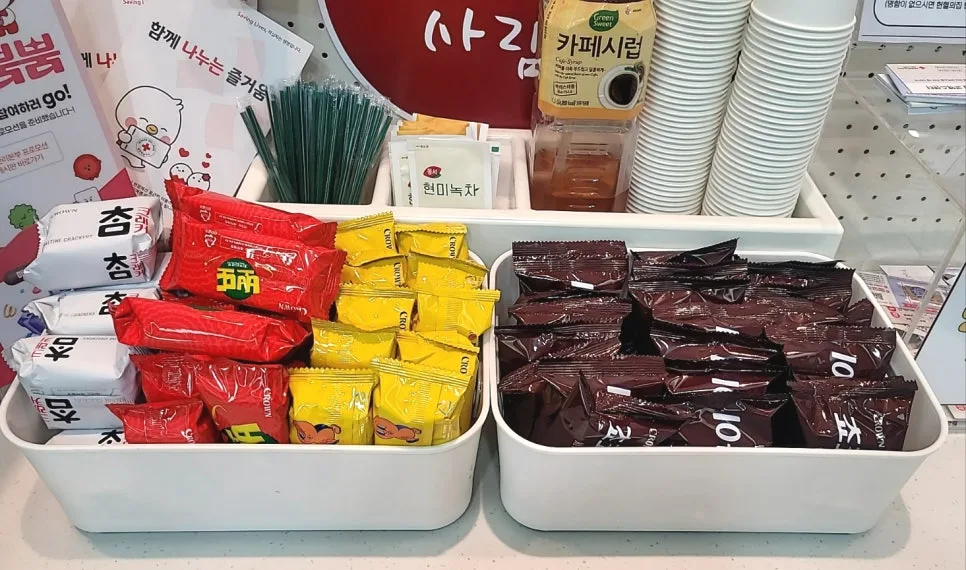
Donating blood is an excellent opportunity to regularly check your health status and contribute to saving lives.
What Are the Benefits of Whole Blood Donation?
Donating blood comes with a range of rewards, from commemorative gifts to special event coupons. During my recent donation, I was encouraged to opt for whole blood donation over my initially planned plasma donation due to a special coffee coupon event. While plasma donation is possible every two weeks, allowing for quicker accumulation of donation counts, I chose whole blood to help address the shortage of O-type blood, which I had heard was critically low. This choice not only earned me a coffee coupon but also allowed me to contribute to a vital cause, making it a satisfying experience. For my commemorative gift, I selected the 'donation token' for the first time. This option allows the value of the commemorative gift to be automatically donated, and it's automatically reflected in your year-end tax settlement, offering tax benefits.
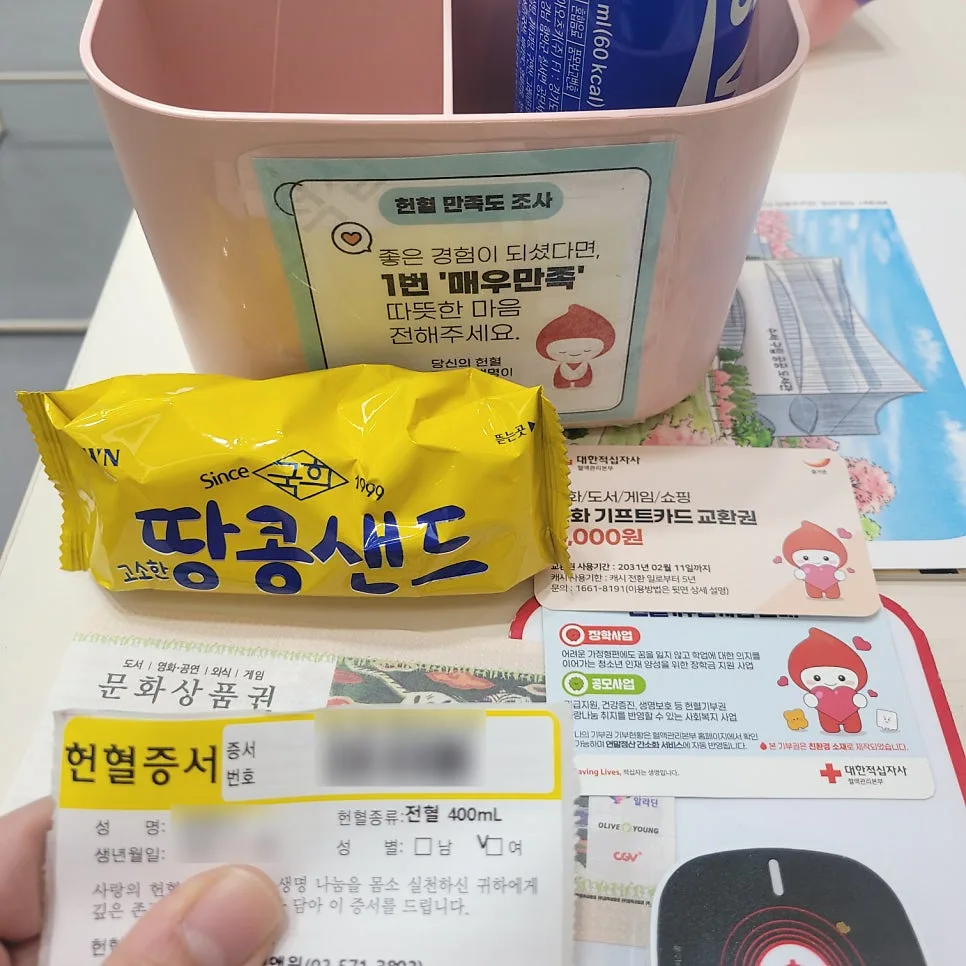
While I initially chose it partly for the feel-good factor, I was surprised to learn how many people opt for the donation token, and I felt proud to be part of this giving community through regular blood donations.
How Long Should You Wait Between Whole Blood Donations?
After a whole blood donation, you must wait at least two months (8 weeks) before your next donation. This waiting period allows your body sufficient time to fully replenish the blood components that were collected. Since my last whole blood donation on April 17, 2024, my next donation can be made on or after June 17, 2024. While this might make achieving my goal of 20 donations this year challenging, the act of consistent donation itself is what truly matters. With each donation, I contribute to saving more lives, and I plan to continue donating regularly to reach my goals of 20 and 30 donations. The key is to make blood donation a habit and practice it consistently.
What Precautions Should You Take When Donating Blood?
Blood donation is a noble act of giving life, but it requires adherence to certain precautions for the donor's well-being. Ensure you get adequate sleep the night before your donation and avoid alcohol. On the day of donation, refrain from strenuous exercise or overly demanding physical activities. It's essential to eat a meal before donating, especially one rich in iron, to help maintain your hemoglobin levels. After donating, it's crucial to drink plenty of fluids and rest. Avoid alcohol, saunas, and strenuous activities for at least 24 hours post-donation to allow your body to recover fully. This is for informational purposes only. Consult a healthcare professional.