Hospital drain clogs in Seoul's Hwagok-dong area can be resolved with emergency night-time drain pipe scaling, with costs varying based on the scope and complexity of the work. Regular inspections and maintenance are crucial for preventing future issues.
Why Was Emergency Night Service Needed for Hospital Drain Clogs?
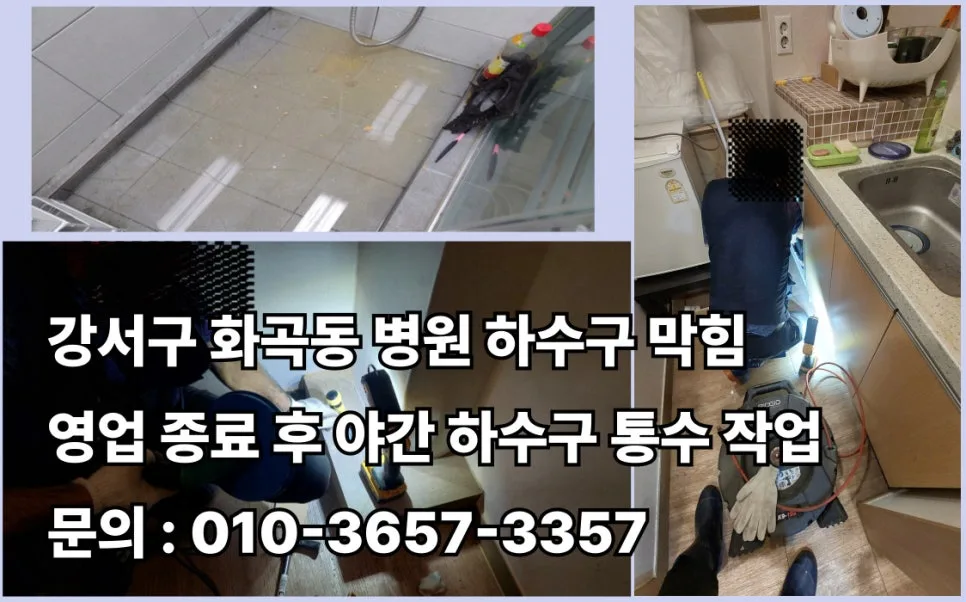
A hospital in Hwagok-dong, Gangseo-gu, Seoul, requested emergency night-time drain unclogging and pipe scaling services after business hours. This facility had been experiencing intermittent backflow from bathroom drains and toilets for several days. Because immediate daytime intervention was difficult, they opted for an emergency night call. For medical facilities like hospitals, drain issues are a critical hygiene concern, necessitating swift and precise solutions. Our team arrived on-site around 10 PM to assess the situation.
What's the Root Cause of Hospital Drain Blockages?
Related Articles
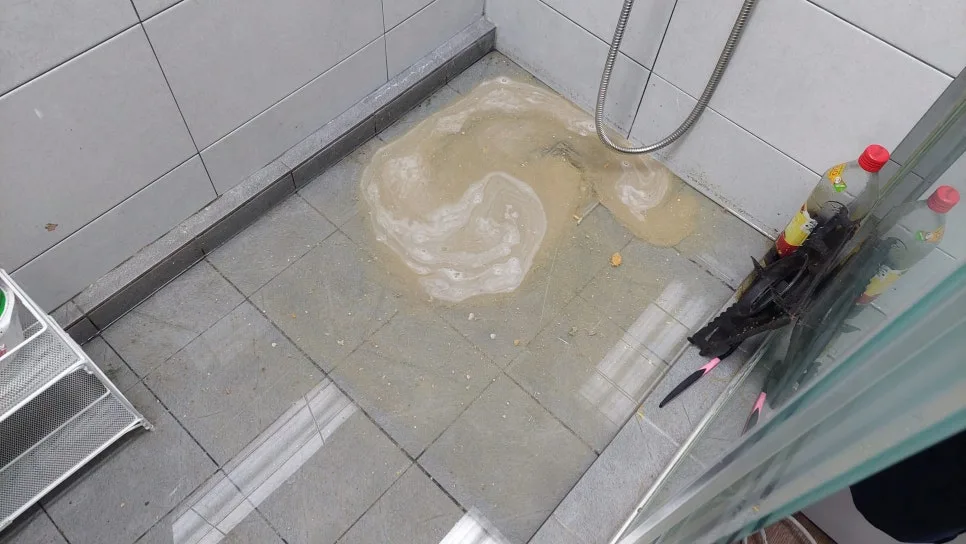
Upon inspection of the external manhole and internal drain pipes, we discovered a complex buildup of residue within the hospital's drainage lines. This included oil, toilet paper, disinfectant remnants, and lint from laundry facilities, which had accumulated on the pipe walls, forming hard scale (calcified deposits). This buildup was obstructing water flow. The situation was exacerbated by water from the hospital sink backing up into the director's office shower stall, highlighting the severity of the contamination and the urgent need for intervention beyond a simple clog.
How Does Pipe Scaling Work?
Pipe scaling goes beyond simply clearing a blockage; it involves using specialized shaft equipment to scrape away accumulated debris and scale from the pipe walls, restoring the pipe's original diameter and flow capacity. In this hospital case, we first used an endoscopic camera to assess the internal pipe condition and the thickness of the scale. Then, we employed a shaft device with rotating chains to dislodge and remove the buildup. Hardened deposits required repeated cleaning. The dislodged sediment was safely flushed into the external sewer system. Despite the challenging pipe bends, we successfully accessed and cleaned the affected sections by creating a temporary opening for the shaft equipment. A final endoscopic inspection confirmed that the pipe walls were clean. We also utilized a portable electric spring machine to enhance work efficiency.
Why Are Hospital Drains Prone to Clogging?
Several factors contribute to frequent drain clogs in hospitals. Firstly, disinfectants and detergents can adhere to pipe walls, leading to calcification. Secondly, food scraps and grease from staff and patient use can accumulate. Thirdly, toilets in high-traffic areas are more susceptible to blockages. Fourthly, laundry facilities generate significant amounts of lint. Lastly, plumbing in commercial buildings can sometimes have structural limitations, such as insufficient slope, causing water to pool. Therefore, regular drain inspections and cleaning are essential for maintaining hygiene in hospital facilities.
Post-Service Feedback and Maintenance Tips
After the service, hospital staff confirmed that water drained smoothly without any further blockages and expressed significant relief. They were particularly pleased with the prompt and efficient resolution of the issue during off-hours. We advised the hospital on preventing future clogs by managing debris in drains, using filters for lint from disinfection and laundry areas, and recommending professional high-pressure cleaning and endoscopic inspections every 6 to 12 months.
For more details, check the original source below.