Nongshim is maximizing production efficiency with AI smart factories, aiming for over $750 million in overseas sales by 2026 and increasing its dividend payout to $4.50 per share, enhancing shareholder value.
What's driving Nongshim's overseas sales to surpass $750 million, and what's their strategy for Europe and South America?
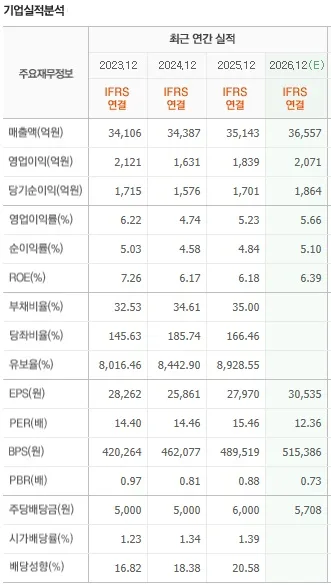
Nongshim's international sales have hit an all-time high, now accounting for one-third of its total revenue and establishing itself as a key growth engine. The company plans to double its annual noodle production to 1.2 billion packs via its dedicated export-only factory in Busan, South Korea. This strategic expansion is specifically targeting the European and South American markets, with a goal to quadruple European sales by 2030. In Europe, Shin Ramyun is gaining traction through localized product variations and aggressive marketing campaigns, making Nongshim's global expansion strategy one to watch.
How is Nongshim integrating AI and deep learning into its smart factories?
Nongshim is revolutionizing quality control by implementing AI deep learning across its entire production process, from noodle dough preparation to final packaging. This advanced data analysis allows for proactive prediction and mitigation of potential issues, reducing defect rates to near zero. This technological leap was recognized by the BBC as a world-leading smart factory initiative. Furthermore, Nongshim is enhancing manufacturing competitiveness by deploying robots in key facilities like its Gumi plant, reducing strenuous labor and establishing high-speed production lines capable of producing 600 Shin Ramyun packs per minute. These innovations are expected to boost production efficiency and cut costs, further strengthening Nongshim's financial health.
What is Nongshim's shareholder return policy and dividend increase?
Nongshim has increased its dividend payout to $4.50 per share (a 20% rise from $3.75 the previous year), marking its first increase in three years and signaling a stronger commitment to shareholder value. This move underscores the company's current turnaround phase, balancing global sales growth with enhanced shareholder returns. Supported by robust cash flow, Nongshim is making significant investments in smart factories while maintaining stable dividend payments, reinforcing its image as a shareholder-friendly company. This enhanced dividend policy demonstrates Nongshim's intent to share the benefits of its performance growth with its investors.
What is Nongshim's target stock price and investment strategy analysis?
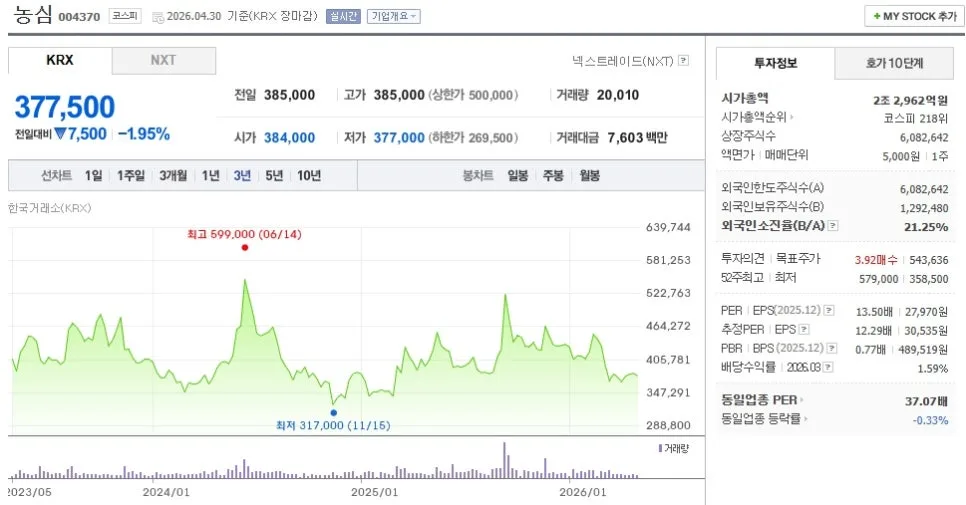
Nongshim's target stock price is set between $315 and $370. This projection is based on the stable demand for its staple product, ramen, combined with expansion into new markets like Europe and South America. A potential stock re-rating is anticipated as the cost-saving benefits from its smart factory initiatives become fully realized. Currently, the stock price is considered undervalued, or at a 'foothold' point, as it hasn't fully captured the qualitative changes in its overseas sales growth. With the dividend increase now in effect, it presents an attractive long-term investment opportunity offering both dividend income and potential capital appreciation. However, potential risks such as global economic fluctuations and rising raw material costs warrant careful consideration before making investment decisions. It is recommended to consult with a financial advisor to tailor investment strategies to individual risk tolerance.
English crawl path
Next English reads from this pilot cluster
Continue through the category hub, latest English stories, and related posts so this translated article is not an isolated URL.
Tags
💬Frequently Asked Questions
What should I check first in Nongshim's 2026 Outlook: AI Factories, Global Growth & Dividends?
Does this Korean Food article link back to the Korean source?
Where can I find similar English stories?
English discovery path
Explore more English K-culture stories
Keep browsing the indexed English pilot cluster so Google and readers can move between this story, the category hub, and fresh discovery pages.
Original Source
Read the Korean original