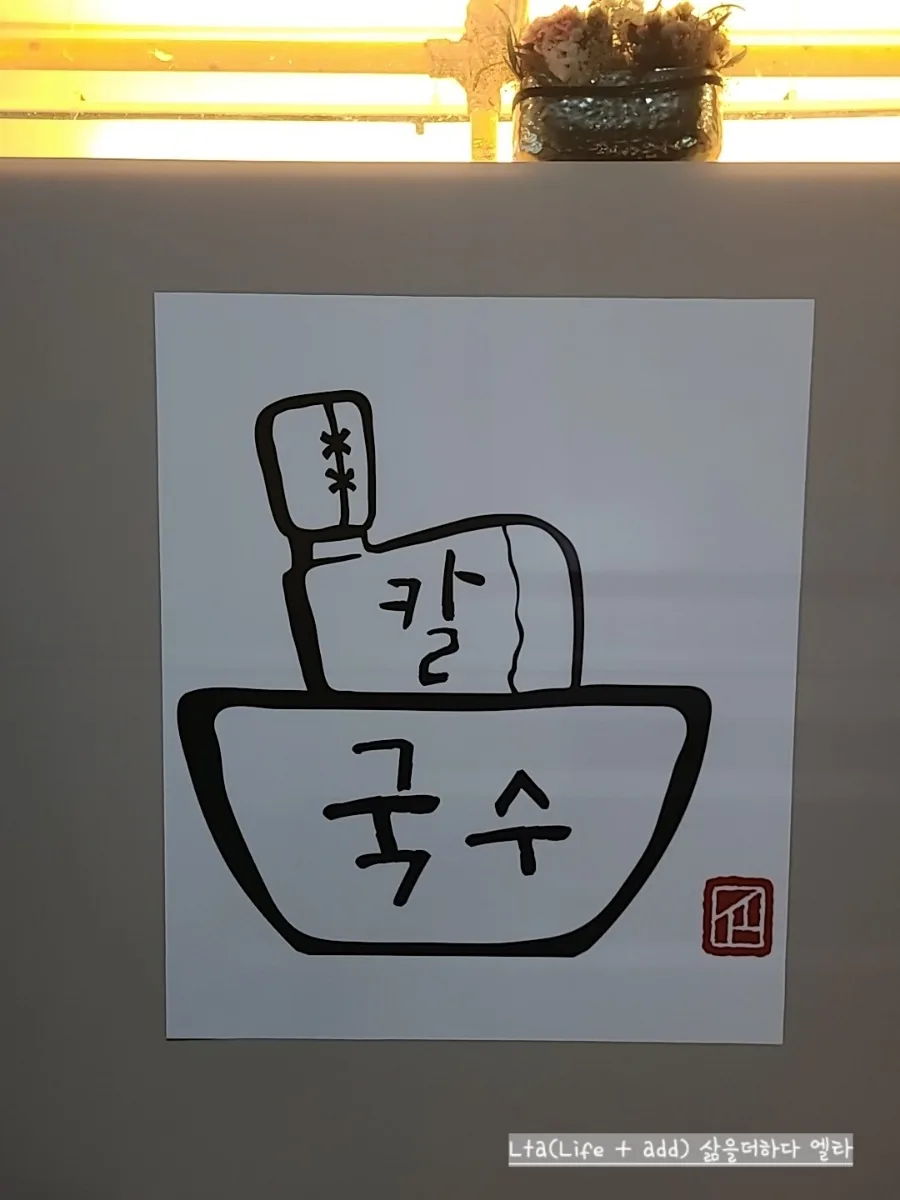
Get ready for sticker shock: in 2026, the average cost of a bowl of Kalguksu (Korean noodle soup), once a budget staple, is projected to hit $7 USD (10,000 KRW) or more. This surge in Korean dining prices, driven by rising ingredient costs and global supply chain issues, makes smart spending strategies essential for enjoying authentic K-food without breaking the bank.
Is the $7 Kalguksu Bowl a Reality in 2026?
The days of affordable Kalguksu are rapidly fading. This beloved Korean comfort food, traditionally a go-to for budget-conscious diners, is now regularly exceeding the 10,000 KRW mark (approximately $7 USD) in Seoul. This price hike isn't isolated; it's part of a broader trend in Korean cuisine, with ingredient costs soaring due to geopolitical instability and supply chain disruptions. Data from the Korea Consumer Agency confirms that the average Kalguksu price in Seoul has already surpassed $7. This inflationary pressure is pushing consumers towards more affordable options, like convenience store bread or budget-friendly baked goods, as a substitute for full meals. Experts predict this upward trend in dining costs will continue through 2026, necessitating proactive strategies for consumers to manage their food budgets effectively.
Smart Strategies to Save on Korean Dining

Navigating the rising costs of Korean dining requires a savvy approach. First, always check menus and prices online before you go. Many restaurants and review sites now list their offerings, helping you avoid surprises. Second, leverage discounts and loyalty programs. Utilize your mobile carrier's deals, credit card rewards, and restaurant membership points whenever possible. Keep an eye out for special promotions, like those sometimes offered at major hotel restaurants during specific events. Third, opt for value-for-money dishes or take advantage of lunch specials. Many Korean eateries offer significantly lower prices during lunchtime. Finally, the most effective long-term strategy is to increase home-cooked meals. Brands like Sempio offer convenient, healthy options like their 'Soy Sauce Zero' (0g sugar) to help you prepare nutritious Korean meals affordably at home.
Planning Family Meals for Special Occasions
When planning special family outings during months like May (often celebrated as Family Month in Korea), look for restaurants catering to families. Some establishments, like certain hotel buffets, offer special deals for children, such as complimentary meals for those under 12. Consider a culinary exploration, perhaps a themed Korean food tour or a focus on a specific regional cuisine, to make the occasion memorable. However, meticulous budget planning is crucial for these celebratory meals. It's also vital to prioritize hygiene, especially after incidents like the one involving a popular Tteokbokki chain. Checking reviews and ensuring the restaurant maintains high cleanliness standards is paramount for a safe and enjoyable dining experience.
Leveraging Everyday Food Knowledge for Savings
Even seemingly minor details about food can contribute to smarter spending and healthier eating. For instance, while the green sprout in garlic is safe to eat, it indicates the garlic has been stored for a while, so opting for fresher bulbs is generally better. Simple cooking hacks, like a '3-minute water-fried egg' that requires no oil, can save time and promote healthier eating habits at home. Utilizing government initiatives aimed at stabilizing food prices, such as promotions on eggs at major supermarkets, can also lead to savings. Furthermore, embracing healthier lifestyle trends, like low-sugar options at popular coffee chains, allows you to enjoy treats while managing your health and budget. Applying this everyday food wisdom can lead to a more satisfying and cost-effective culinary life.
For more details, check the original source below.