The distinct flavors of Korea's Jeolla Province (남도, Namdo) can serve as a guiding light, offering new hope and direction for humanity in the post-pandemic era of 2026. This exploration delves into the core principles and profound significance of Namdo's culinary heritage, highlighting its potential to inspire a global community seeking authenticity and connection.
Why is Jeolla Province's Food Culture Crucial Now?
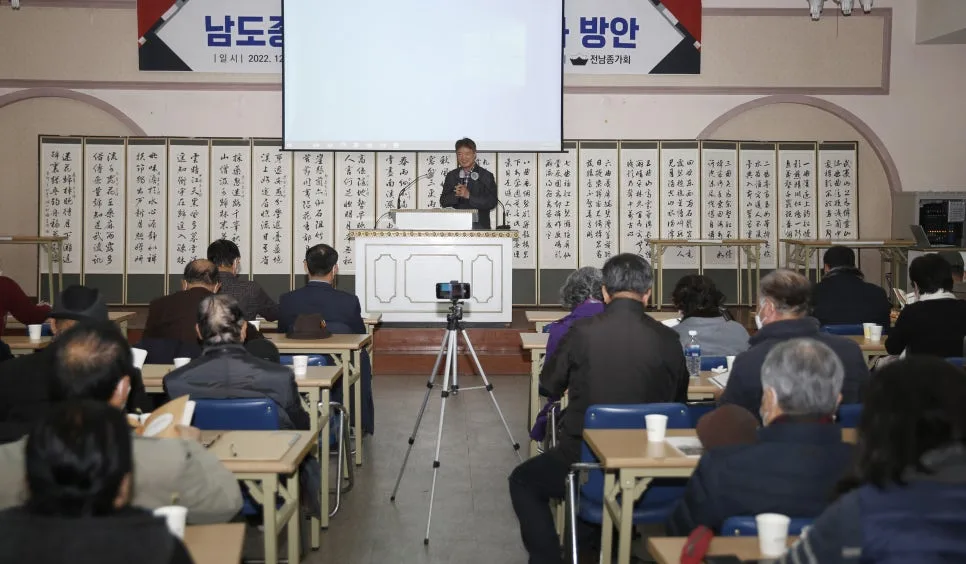
As the world navigates a transformative period marked by the lingering effects of the COVID-19 pandemic and the escalating climate crisis, ancient culinary traditions are re-emerging as vital sources of inspiration. According to insights presented at the 'Revitalization of Namdo Jongga Food Culture Symposium' in December 2022, the food heritage of Jeolla Province offers more than just sustenance; it embodies the collective emotions and wisdom of a community. Specifically, the 'Jongga' (종가), or ancestral head family, cuisine, steeped in reverence and tradition, presents a profound example of ancestral wisdom. This rich culinary landscape is not merely a relic of the past but a potential 'new flag'—a beacon offering solutions to contemporary global challenges and a pathway toward a more connected and sustainable future.
What Are the Core Values of Namdo Food Culture?
The fundamental values underpinning Jeolla Province's food culture are 'authenticity' (진정성) and 'sharing' (나눔). The author's personal journey reveals that food crafted with genuine heart and hands, rather than just intellectual appreciation, is truly authentic. This philosophy, learned from grandmothers and aunts, emphasizes cooking with sincerity, ensuring inner substance, and importantly, sharing with neighbors. This approach transcends mere taste, acting as a crucial medium for fostering bonds and warmth within a community. The ingrained practice of preparing food with care, ensuring it's free from negative energy and shared discreetly with neighbors, as observed in the kitchens of Haenam, exemplifies this profound spirit of giving. These traditions remain invaluable lessons for modern society.
Could Namdo Jongga Cuisine Earn UNESCO Recognition?

There is a growing discussion around the potential for Jeolla Province's Jongga cuisine to be recognized as a UNESCO Intangible Cultural Heritage. Scholars like Professor Lee Woong-gyu and Professor Kim Hong-ryeol advocate for the systematic documentation of Jongga food traditions to preserve them as a proud legacy for future generations. Yang Jae-hyuk, standing director of the Jeollanam-do Jongga Association, emphasizes that Jongga cuisine is a 'crystallization of solemn dignity and profound wisdom,' offering invaluable insights for the youth. This recognition could highlight the universal value and unique cultural significance of Namdo's culinary heritage, showcasing Korea's deep-rooted food culture to the world. Preserving and promoting Jongga food is essential for its global appreciation.
What is the Significance of Namdo's Flavors Today?
In today's world, Western culinary influences, epitomized by brands like Coca-Cola and Starbucks, have led to a homogenization of global food culture. However, the deep, authentic flavors of Jeolla Province, honed through generations of culinary experience, possess an enduring power. Dishes like kimchi (김치) prepared with a mother's touch and regional specialties such as raw skate wing salad (서대 회 무침) are more than just food; they are potent memories that shape personal identity and a sense of belonging. In an era where many feel disconnected, the distinct tastes of Namdo offer a powerful means to reconnect with one's roots and rediscover a sense of self. As the world seeks new paths forward in 2026, the culinary traditions of Jeolla Province stand ready to offer hope and inspiration as a 'new flag of dawn' for humanity.
Discover more about the profound culinary heritage of Jeolla Province in the original article.