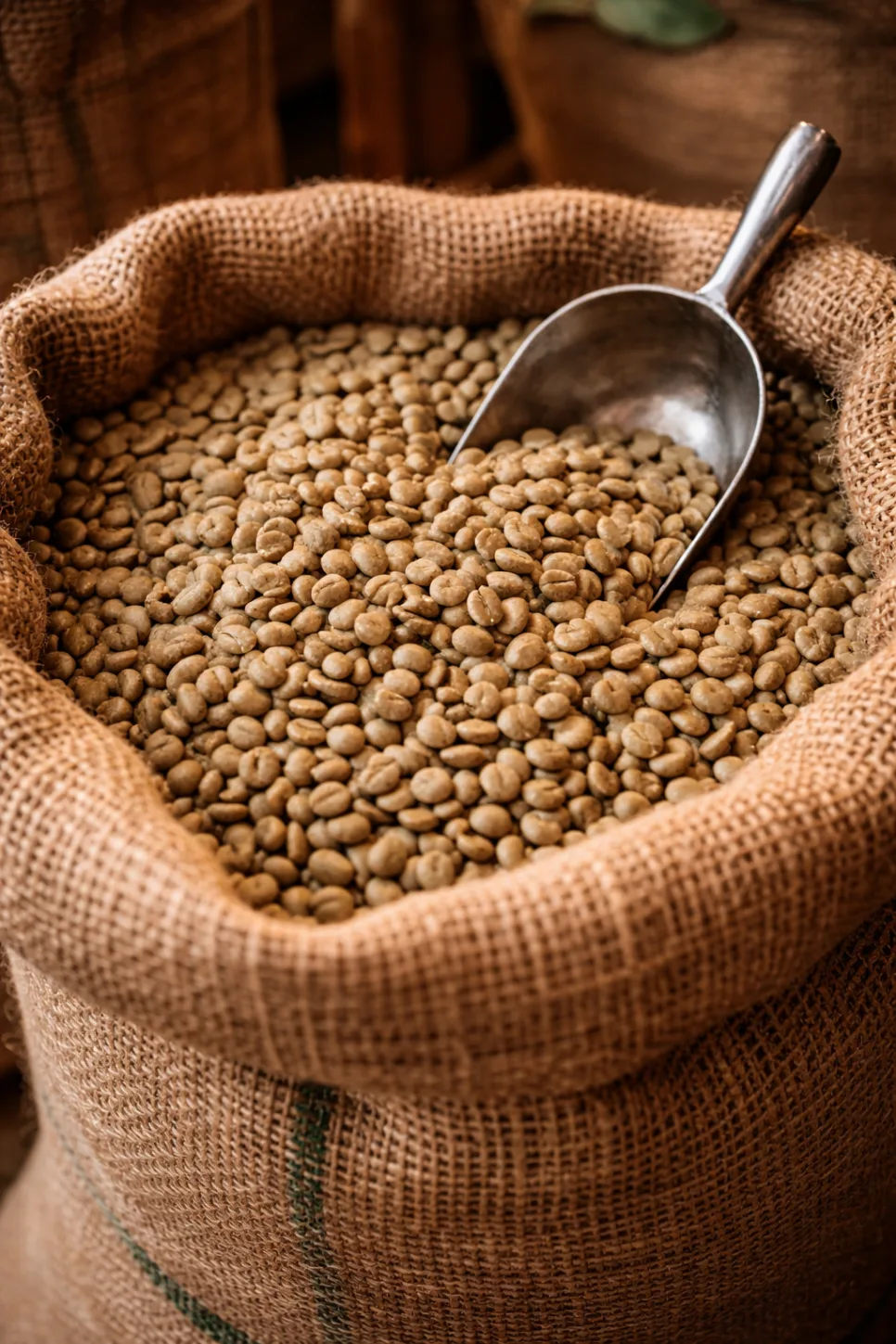
Green coffee bean grades G1 and G2 are primarily distinguished by their defect bean count, with G1 allowing 0-3 defects per 300g and G2 allowing 4-12. However, a higher grade doesn't automatically guarantee a taste you'll prefer; consider factors like growing altitude and bean size alongside the grade to find your perfect cup.
Why Do Green Coffee Bean Grades Differ by Country?
Since coffee is grown in diverse environments worldwide, there isn't a single, universally accepted grading system. Grades are typically determined by three main factors: the number of defect beans, screen size (bean diameter), and altitude. For instance, countries like Ethiopia and Brazil classify beans based on the count of defects (like moldy or insect-damaged beans) per 300g. G1 grade signifies the highest quality with 0-3 defects, while G2 is considered a high-grade with 4-12 defects. In contrast, Kenya and Tanzania use screen size to grade beans as AA, AB, etc., with larger beans believed to be richer in nutrients and flavor. Guatemala and Costa Rica, among others, use altitude, with SHB (Strictly Hard Bean) denoting beans grown above 1,350 meters (approx. 4,430 feet). These high-altitude beans mature slowly, resulting in a dense, hard bean with complex flavors. These varied criteria reflect each region's unique growing conditions and the farmers' dedication.
Why Doesn't a Higher Green Coffee Bean Grade Always Match My Taste?
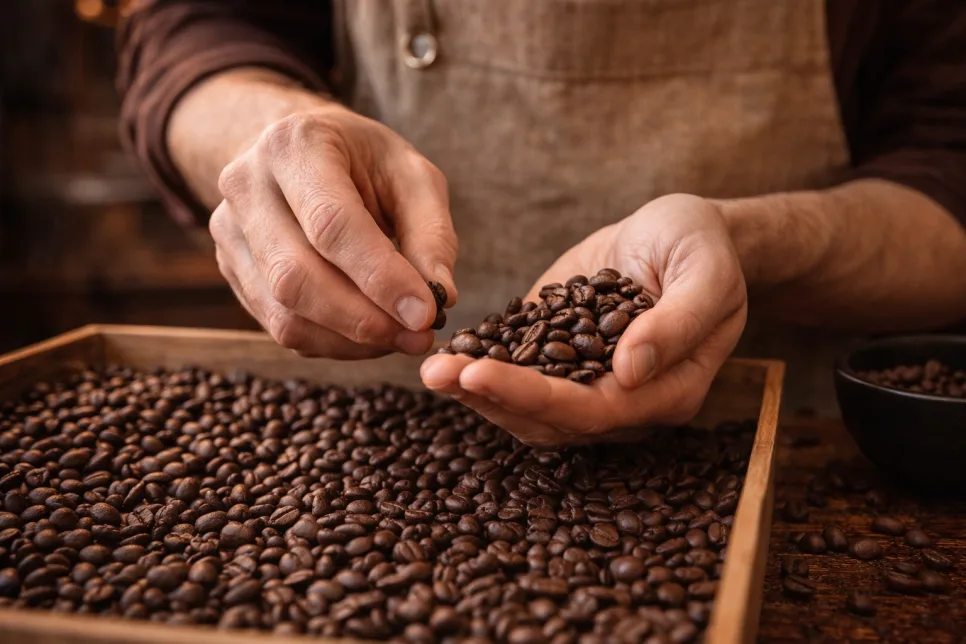
While a higher green coffee bean grade indicates fewer defects and better quality control, it doesn't automatically guarantee a flavor profile that suits your personal palate. For example, Kenya AA beans are known for their bold acidity, which might be too intense for those who prefer a smoother taste. Ethiopian G1 beans offer a bright, tea-like clarity that might seem too light or sour for someone who enjoys a rich, full-bodied coffee. Similarly, a balanced bean like Colombia Supremo might be a better fit for certain preferences than a higher-graded bean. Therefore, instead of assuming a higher grade equals better taste for you, it's crucial to explore various grades and origins through direct experience to discover your unique coffee preferences. The grade is an indicator of quality, not the sole determinant of taste.
What Are a Cafe Manager's Tips for Buying Green Coffee Beans by Grade?
As a cafe manager, understanding green coffee bean grades is essential not just for assessing quality but also for guiding roasting profiles and predicting the final cup's flavor. For instance, high-altitude SHB beans, known for their excellent acidity, can handle a slightly darker roast while maintaining flavor balance. G1 grade beans, with minimal defects, promise a clean cup, making them ideal for showcasing delicate aromatic notes. Larger AA grade beans often provide a fuller body, which is great for espresso blends or iced coffee drinks. These grade insights serve as vital clues to a bean's potential and help in curating the perfect coffee experience for customers based on their preferences.
For more details, check the original source below.