
As of 2026, chocolate prices have surged dramatically, more than doubling in just two years. Popular brands like Ritter Sport now cost around $3.90-$5.70 per bar, and even Hershey's offers less value for money. This has led many US consumers to seek out more affordable alternatives, with store brands like Great Value or private labels from discount grocers becoming increasingly popular for budget-conscious shoppers.
Why Are Chocolate Prices Skyrocketing in 2026?
The price of your favorite chocolate bars has seen a significant increase recently. For instance, a 12-pack of Ritter Sport milk chocolate, which I used to buy for around $2.50-$3.00 per bar in early 2024 (totaling $26.50-$36.04), now costs upwards of $68.40, pushing the individual bar price to about $5.70. This near doubling in just two years is a result of several factors: soaring cocoa futures prices, rising raw material and manufacturing costs, increased logistics expenses, and fluctuating exchange rates. The primary driver is the global cocoa shortage, exacerbated by poor harvests in key producing regions and climate change impacts, putting immense pressure on chocolate manufacturers.
Budget-Friendly Chocolate Alternatives: Ritter Sport vs. Hershey's vs. Store Brands (2026)
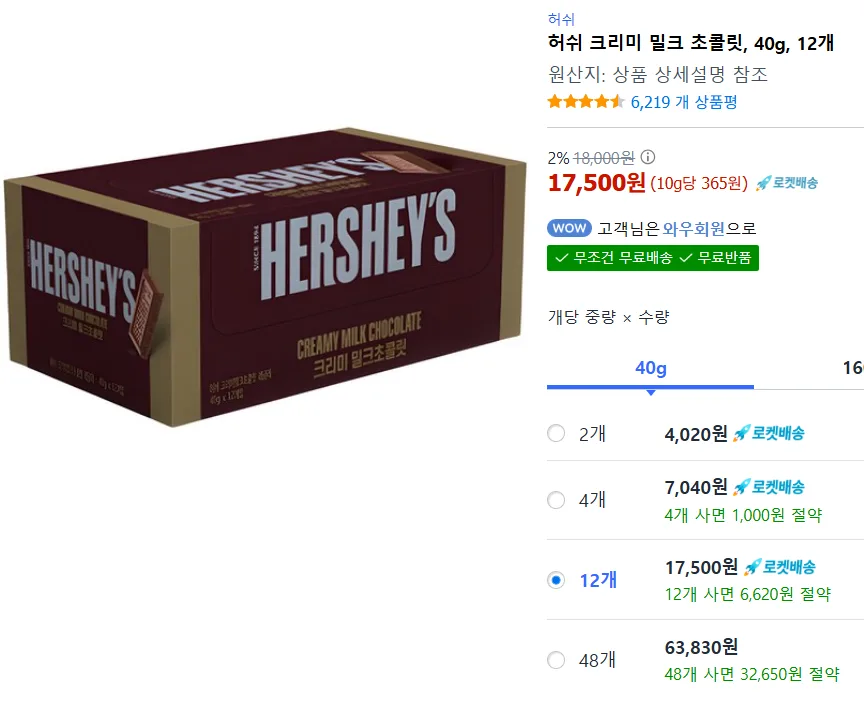
The price surge has prompted many consumers to re-evaluate their chocolate purchases. Even Hershey's, a long-standing favorite, doesn't offer the same value it once did when you factor in the bar size and current pricing. I've noticed that comparing the price per ounce or per gram is crucial now. For example, Ritter Sport milk chocolate, even on sale at about $3.98 per bar (for a 5-pack deal), is still a considerable expense. This has led many shoppers to explore more economical options available at their local supermarkets and discount stores.
Top Affordable Chocolate Picks for 2026
In this challenging price environment, store brands and private labels are stepping up. For example, Walmart's Great Value or Target's Good & Gather chocolate bars offer a much more budget-friendly option, often costing less than $1 per standard bar. These brands provide a decent chocolate experience without the premium price tag. While specific pricing varies, you can typically find these options for around $0.70-$0.90 per 1.55oz bar. These alternatives are becoming the go-to choice for consumers looking to enjoy a sweet treat without breaking the bank, proving that quality chocolate doesn't always require a high price.
What's the Future Outlook for Chocolate Prices?
The outlook for chocolate prices remains challenging in the near future. The factors driving the current surge, particularly the cocoa shortage and rising production costs, are unlikely to dissipate quickly. Manufacturers will likely continue to face pressure to either absorb costs, pass them on to consumers through price increases, or reduce bar sizes (shrinkflation). Therefore, consumers should anticipate that chocolate will remain a more expensive indulgence for the foreseeable future. Staying informed about market trends and seeking out deals will be key for budget-conscious chocolate lovers.
Common Pitfalls When Buying Chocolate
When purchasing chocolate, especially amidst rising prices, it's easy to overlook a few key details. Always compare the price per ounce or gram, not just the package price. A larger package might seem like a better deal, but it could be more expensive per unit. Also, check the ingredient list. Sometimes, lower prices come at the cost of lower-quality cocoa or the addition of cheaper fillers. For those with dietary needs or preferences, verifying ingredients is essential. Finally, be aware of seasonal pricing; holiday-themed chocolates or those requiring special packaging for warm weather can sometimes cost more.
For more details on chocolate price trends and smart shopping tips, check the original source.