In Busan's Sasang-gu district, Hapcheon Ilryu Dwaeji Gukbap offers a unique Pork Udon for $7.50 (₩11,000) and their signature Pork Soup (Dwaeji Gukbap) for $7 (₩10,000) as of 2026. The Pork Udon features a clear broth with springy udon noodles, while the Dwaeji Gukbap is best enjoyed with rice mixed in for a richer texture. Both dishes are complemented by unlimited self-serve side dishes like kimchi and radish kimchi, and complimentary rice bowls, offering great value. However, the Pork Udon comes with a base of minced garlic and spicy paste, which sensitive eaters may want to request be adjusted.
- Pork Udon Price: $7.50 (₩11,000)
- Pork Soup Price: $7 (₩10,000)
- Unlimited self-serve side dishes and free rice bowls
- 24-hour operation with dedicated parking
Based on the original Korean blog post and linked source page, translated and summarized by BackToLink for global discovery.
What are the signature dishes at Busan's top Pork Soup restaurant, Hapcheon Ilryu Dwaeji Gukbap?
Hapcheon Ilryu Dwaeji Gukbap, a renowned eatery in Busan's Sasang-gu district featured on the show 'Pungja's Another Visit,' is famous for its unique 'Pork Udon.' Similar to Jeju Island's popular meat noodle soup, this dish uses a pork soup base with udon noodles. Unlike the traditional Dwaeji Gukbap, the Pork Udon boasts a clearer, lighter broth, and the udon noodles maintain a delightful chewiness throughout the meal. In contrast, Dwaeji Gukbap is meant to be enjoyed with rice mixed in, creating a thicker, more robust flavor profile. The restaurant operates 24 hours a day, seven days a week, making it a convenient stop for anyone, especially travelers, as it's located conveniently between the Busan West Bus Terminal and Gimhae Airport.
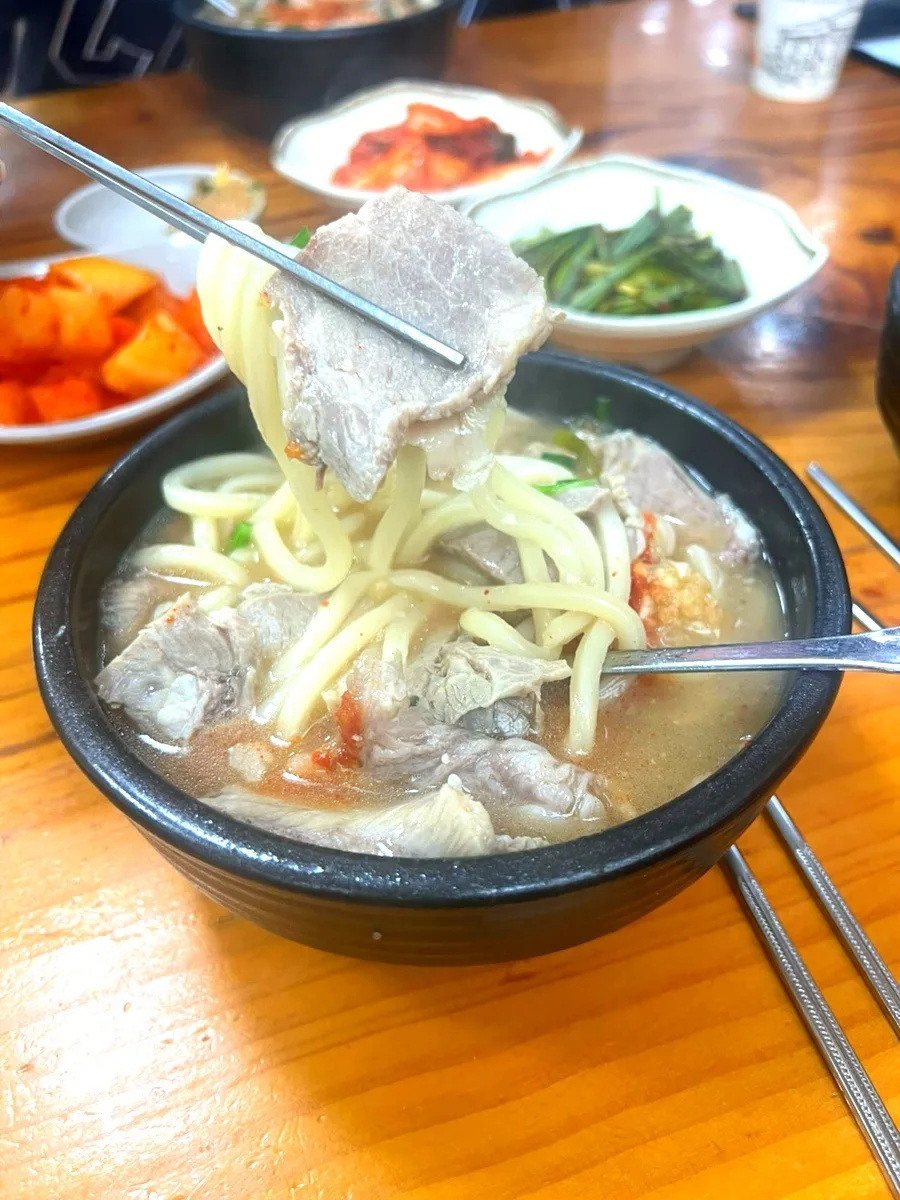
Its accessible location makes it an ideal spot for both locals and tourists exploring Busan.
How do Hapcheon Ilryu Dwaeji Gukbap's Pork Udon and Pork Soup differ?
The primary distinction between the Pork Udon and Pork Soup lies in the noodle or rice base. The Pork Udon features chewy udon noodles, while the Pork Soup is traditionally eaten with rice mixed directly into the broth. Flavor-wise, the Pork Udon broth is generally clearer and cleaner, whereas the Pork Soup, with the rice absorbing the liquid, develops a deeper, richer taste. Both dishes are praised for their absence of any porky odor, ensuring a pleasant experience for all diners. The accompanying kimchi and radish kimchi are also highlights, perfectly complementing both the udon and the soup.
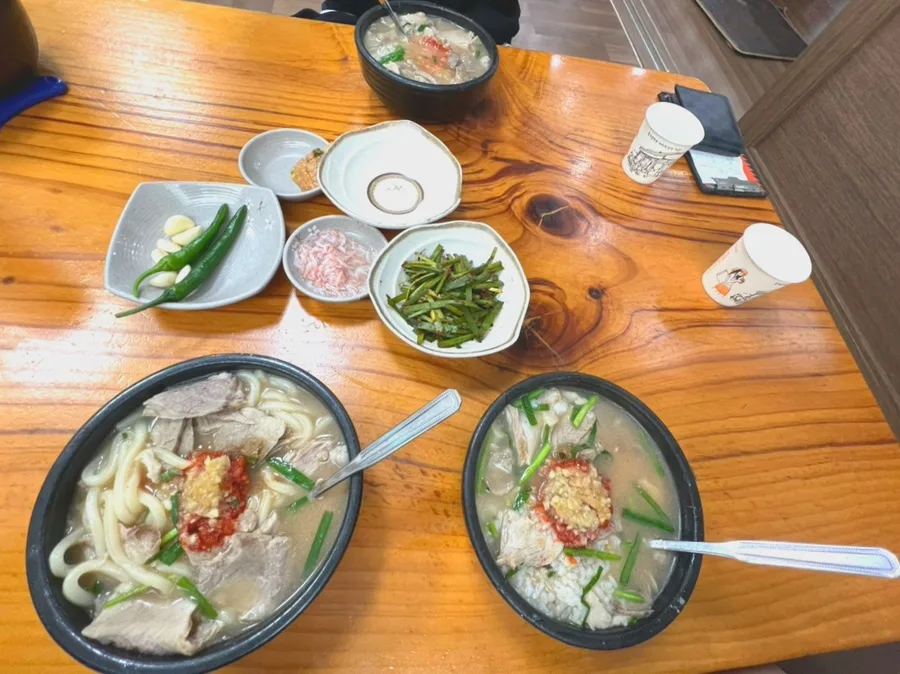
The self-serve station allows for unlimited refills of these delicious side dishes, and complimentary rice bowls ensure a filling meal.
What are the parking and waiting tips for visiting Hapcheon Ilryu Dwaeji Gukbap?
Hapcheon Ilryu Dwaeji Gukbap offers a convenient solution to parking woes with its dedicated lot located on the second floor of the building. After parking, a short descent down the stairs leads directly to the restaurant. Despite its reputation as a popular spot, the nature of noodle and soup dishes means a quick turnover of tables, so wait times are usually not excessively long. Visiting around 5:30 PM, just before the peak dinner rush, can offer a more relaxed dining experience. If you can't avoid prime dining hours, aiming for slightly off-peak times is advisable. The restaurant has a traditional Korean seating style where you remove your shoes before entering.
Are there any special considerations when ordering Pork Udon, and what other menu items are available?
The Pork Udon comes standard with a generous amount of minced garlic and spicy paste, which contributes to its robust flavor. If you're sensitive to strong garlic or spice, it's recommended to request a milder version or ask for the paste to be served on the side when ordering. The pork itself is very clean-tasting, making it a hit even with children. Beyond the signature noodle and soup dishes, the menu also includes options like Suyuk (boiled pork slices) and Sundae (Korean blood sausage), available individually or as a combination platter. Small Suyuk and Sundae platters start around $25 (₩33,000), with prices varying based on the combination chosen. This variety allows diners to customize their Korean feast according to their preferences.
For more details, check the original source below.