Coffee beans are not botanically classified as legumes (beans). While commonly called 'coffee beans' due to their similar appearance and the English translation, they are botanically classified as 'seeds with endosperm' (specifically, 'exalbuminous' seeds) and belong to the Rubiaceae family, distinct from the Fabaceae family of beans. This distinction is crucial for understanding their botanical nature.
Why Are Coffee Seeds Called 'Coffee Beans'?
The term 'coffee bean' is a common name derived from the English 'coffee bean,' which likely originated from the visual resemblance of the roasted coffee seed to certain types of beans or grains. In Korean, the term '커피콩' (keopi-kong) is a direct translation. Botanically, coffee seeds are classified as 'exalbuminous' seeds, meaning they have a well-developed endosperm that stores nutrients, unlike legumes (beans) which are 'exalbuminous' and store nutrients primarily in their cotyledons. Despite this botanical difference, the name 'coffee bean' has become the universally accepted term due to tradition and widespread use in the coffee industry, much like how certain fruits are colloquially called vegetables and vice-versa. This common name doesn't reflect their scientific classification within the plant kingdom.
How Do Coffee Seeds Differ from Legumes?
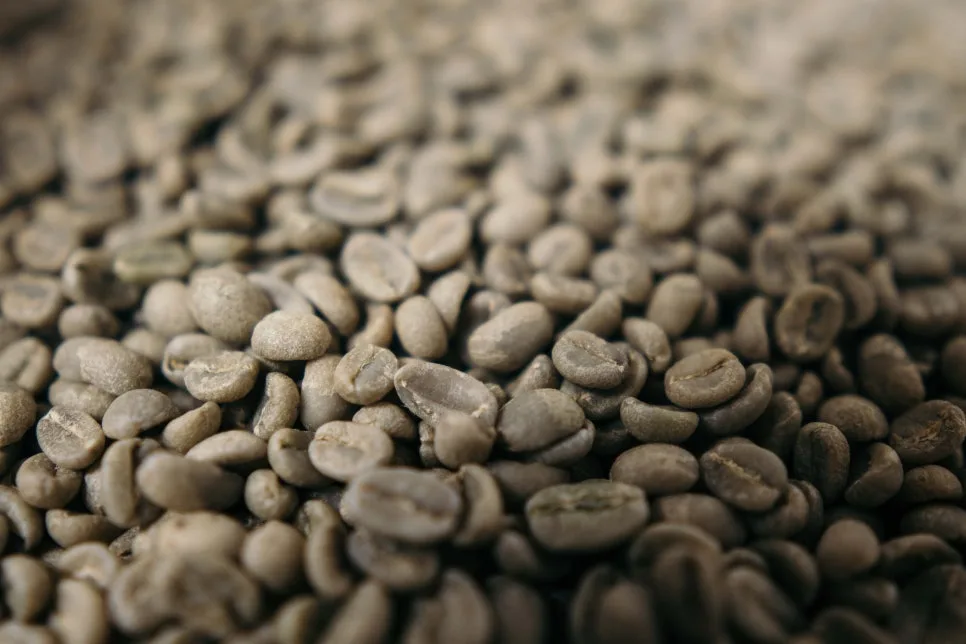
The primary botanical difference between coffee seeds and legumes lies in their seed structure, specifically the presence and development of the endosperm. Legumes, such as soybeans, kidney beans, and lentils, are classified as 'exalbuminous' seeds. This means their endosperm is largely absorbed during embryonic development, and the cotyledons (seed leaves) become the primary storage organs for nutrients. In contrast, coffee seeds are 'exalbuminous' seeds. They possess a substantial endosperm that serves as the main nutrient reserve for the developing embryo. When you see a green coffee bean, you are looking at this developed endosperm, often surrounded by a papery layer called the silverskin (endocarp). This fundamental difference in seed anatomy places coffee seeds in a separate botanical category from true beans.
What is the Botanical Classification of Coffee Seeds?
Coffee plants belong to the genus *Coffea*, which is part of the larger family Rubiaceae. This family includes a wide variety of flowering plants, many of which are tropical trees and shrubs. True beans, on the other hand, belong to the family Fabaceae (also known as Leguminosae). The coffee seed itself, often referred to as a 'bean' in common parlance, is botanically classified as a seed with a significant endosperm. This classification is based on its internal structure and developmental process, distinguishing it clearly from the 'exalbuminous' seeds of legumes. Therefore, from a scientific standpoint, coffee seeds are not beans, but rather the seeds of a plant from the Rubiaceae family.
What Are the Differences Between Coffee Beans and Legumes, and What Should We Note?
The most significant distinction is the presence of a well-developed endosperm in coffee seeds ('exalbuminous') versus its near absence in legumes ('exalbuminous'). This difference in seed structure impacts how nutrients are stored and utilized. Despite these botanical facts, the term 'coffee bean' persists due to its visual similarity to actual beans and its long-standing historical usage, particularly after the English term 'coffee bean' was adopted and translated. It's important for consumers and enthusiasts to understand that 'coffee bean' is a common name, not a botanical classification. Furthermore, coffee seeds are typically not viable for propagation after drying; commercial coffee cultivation relies on seedlings rather than planting roasted or green beans. For a deeper understanding, consulting botanical resources or experts can clarify these distinctions.
For more details, check the original source below.