
Interested in investing in Silver ETFs? As of the first half of 2026, Silver ETFs have outperformed Gold ETFs, capturing investor attention. Silver acts as a hybrid asset, combining safe-haven qualities with industrial demand, especially as a key strategic material in the energy transition era, showing significant growth potential.
Why Did Silver ETFs Achieve Top Returns in 2026?
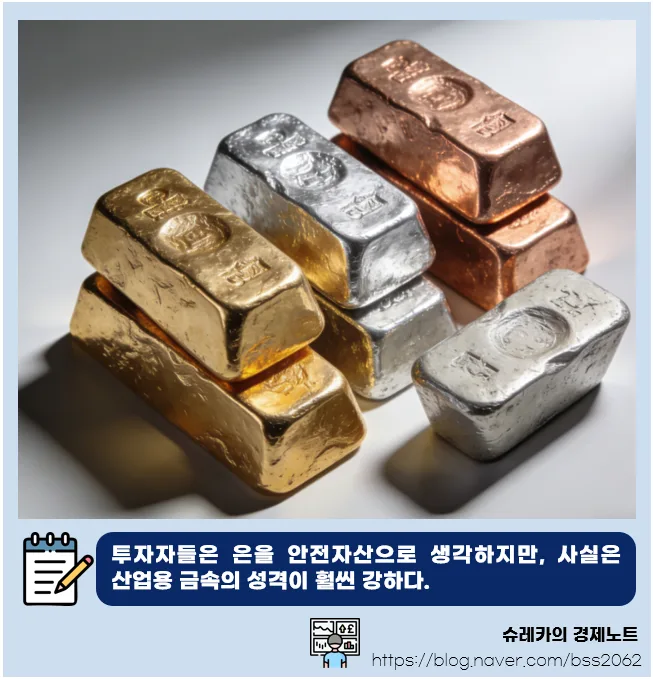
While many investors focused on gold's record highs, silver has shown even more impressive gains, emerging as a new market star. By the first half of 2026, Silver ETFs delivered the highest returns in both domestic and international markets, making them an attractive investment. This surge isn't just luck; it's a result of silver's unique asset characteristics and evolving market dynamics. Unlike gold, primarily seen as a safe-haven asset and store of value, silver has a much stronger identity as an industrial metal. In 2026, demand for silver exploded due to advancements in solar panels and the need for more efficient electric vehicle components. While less than 10% of gold's demand is industrial, over 50% of silver is consumed in industrial applications, making its price more elastic during economic upturns compared to gold. Meanwhile, limited mine production has led to chronic supply shortages, further driving up prices. This supply-demand imbalance is why silver is being re-evaluated as a crucial strategic asset for future industries.
What Are the Investment Differences Between Silver, Gold, and Copper in 2026?
As of the first half of 2026, demand for silver is at record levels. Gold primarily serves as a defensive hedge against geopolitical risks or currency devaluation. Copper, on the other hand, is recognized for its growth potential as an essential component for AI infrastructure, including data centers and power grid expansion. Silver bridges the gap between these two, offering the safety of gold and the growth potential of copper, recognized as a hybrid asset. Its use is rapidly increasing in solar panels and electric vehicle components for improved efficiency. This means silver's price elasticity is significantly higher than gold's during economic recoveries. On the supply side, chronic shortages due to mining production limits are further fueling price increases. This supply-demand imbalance is the backdrop for silver's re-rating as a key strategic asset for future industries.
Which Physical Silver ETFs Should You Invest In? (Comparison)
One of the most efficient ways to invest in silver is through Exchange Traded Funds (ETFs). Currently, prominent options include the actively managed 1Q Silver Active and TIGER Silver Active ETFs listed domestically in Korea, and the SLV ETF listed in the United States. Each product shows distinct differences in its listing market, management strategy, and currency hedging. The 1Q Silver Active and TIGER Silver Active are actively managed ETFs on the Korean market. They track the spot price of silver while allowing fund managers to adjust holdings based on market conditions, potentially managing volatility or seeking alpha returns beyond simple index tracking. A key advantage is their ability to effectively hedge against currency fluctuations through currency-hedged products. In contrast, SLV is listed on the New York Stock Exchange and is denominated in USD, exposing investors directly to currency exchange rate fluctuations. It's crucial to check the currency hedging status of each product before investing.
What Should You Consider When Investing in Silver ETFs?
Investing in silver ETFs offers significant advantages over buying physical silver, especially for US investors. Physical silver purchases often incur a 10% Value Added Tax (VAT) in some regions, along with high minting fees and lower liquidity. ETFs, however, trade like stocks, allowing for immediate selling and avoiding VAT, making them a more cost-effective and accessible option for smaller investments. While silver ETFs offer great potential, their price volatility is higher than gold's due to their dual nature as both a safe haven and an industrial commodity. Therefore, a strategy of dollar-cost averaging (buying in installments) is recommended to mitigate risk. For US investors, considering tax-advantaged accounts like IRAs or 401(k)s for ETF investments can offer significant tax benefits, depending on the specific ETF and account type. Always research the specific ETF's holdings, expense ratios, and historical performance before investing.
For more details, check the original source below.





