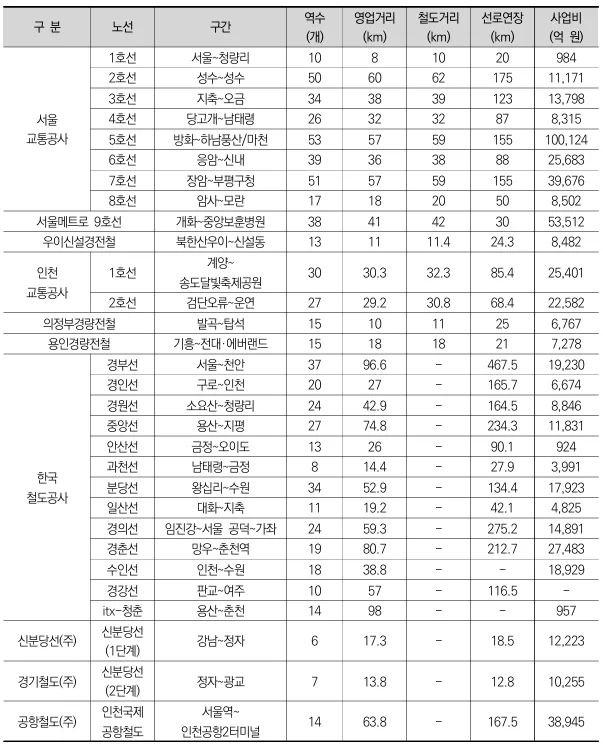
The Seoul Metropolitan Area's 12 major railway network expansion, including the GTX super-express trains, is slated for completion by 2026, spanning over 65 miles (104 km) of new lines. This ambitious project aims to dramatically improve transportation accessibility in both the northern and southern regions of Gyeonggi Province, enhancing inter-regional connectivity and making daily commutes significantly easier for residents.
Why is the Seoul Metro Expansion a Hot Topic for US Investors in 2026?
Discussions about the Seoul Metropolitan Area's railway expansion, featuring the new GTX lines, are becoming a hot topic in US personal finance circles, extending beyond mere infrastructure upgrades to potential impacts on regional economic growth and real estate values. Experts analyze these 12 strategically planned routes as crucial for alleviating traffic congestion and boosting public transit ridership. The integration with GTX lines is expected to slash travel times across the entire Seoul metropolitan region, directly improving residents' quality of life and stimulating economic activity. While not all route details are finalized, each project has undergone rigorous feasibility studies to ensure economic and policy viability, making them attractive for long-term investment analysis.
What are the Feasibility Study Standards for Korean Rail Projects?
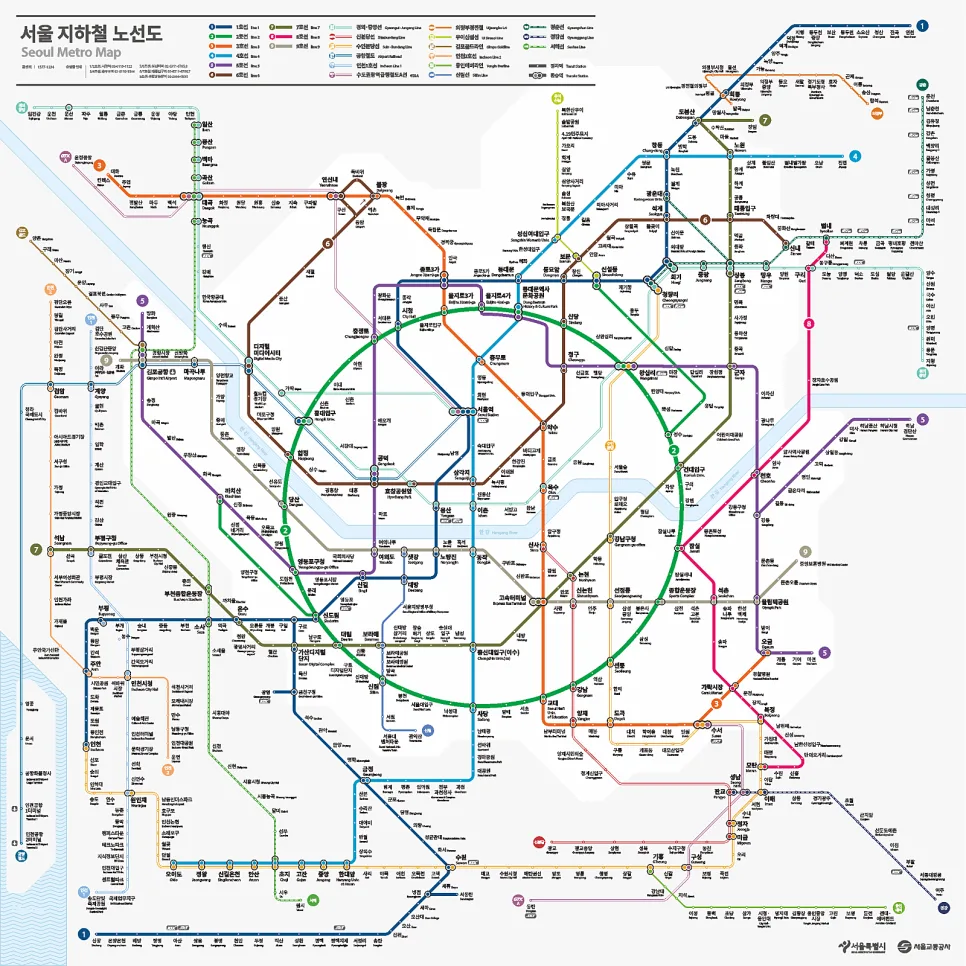
Large-scale national projects like the Seoul railway expansion must pass a preliminary feasibility study before construction begins, ensuring efficient use of public funds by evaluating economic viability and policy necessity. These studies typically use the Benefit-Cost Ratio (B/C Ratio) and the Analytic Hierarchy Process (AHP). The B/C Ratio compares project costs to expected benefits, with a ratio above 1 generally indicating economic feasibility. AHP offers a more comprehensive assessment, considering factors like public acceptance, job creation, quality of life improvements, and environmental impact. For Gyeonggi Province's urban railway network development plan, the standard requires a B/C Ratio of 0.7 or higher, or an AHP score of 0.5 or higher. Only projects meeting these stringent criteria proceed to the next phase.
What are the Key Projects and Expected Benefits of the Seoul Rail Expansion?
Several key lines within the 12-line network have detailed plans and projected benefits. The 'Gimpo Goldline Hakun Extension' aims to connect Yangchon Station to Geomdan-Oryu Station on the Incheon Line via a 4.6-mile (7.4 km) route, improving access to the Hakun Industrial Complex and easing commutes for local residents. This extension is planned for a feasibility study application with the Ministry of Land, Infrastructure and Transport in 2027. The 'Pangyo-Opo Line' will create an underground link between Pangyo in Seongnam and Opo in Gwangju, covering 5.9 miles (9.5 km). This is expected to alleviate severe traffic on National Route 57 and reduce travel time between Opo and Pangyo to approximately 12 minutes. The 'Wolgot-Baegot Line' will connect Wolgot Station on the Suin Line to Baegot New City, including facilities designed for large-scale transit transfers. The 'Dongbaek-Sinbong Line' is a 9.1-mile (14.7 km) light rail line connecting Suji-gu and Giheung-gu in Yongin City, enhancing connectivity with major transit hubs like GTX-A and the Bundang Line, significantly improving transportation for Yongin residents. These and other lines are poised to greatly enhance regional transit networks.
What Potential Challenges Exist in Building New Rail Lines?
Implementing massive infrastructure projects like the Seoul Metropolitan Area's 12-line railway expansion involves significant challenges beyond just feasibility studies. The sheer scale of investment required is immense, necessitating careful financial planning and often involving public-private partnerships. Successfully navigating the preliminary feasibility study is critical, as failure can halt or significantly delay projects. Environmental impact assessments are crucial, requiring mitigation strategies for potential disruptions during construction and operation. Furthermore, continuous communication and engagement with local communities are vital to address concerns regarding noise, vibration, land acquisition, and the overall impact on neighborhoods. Balancing these complex factors is key to the successful and timely completion of these transformative transportation projects.
For more details, check the original source below.





