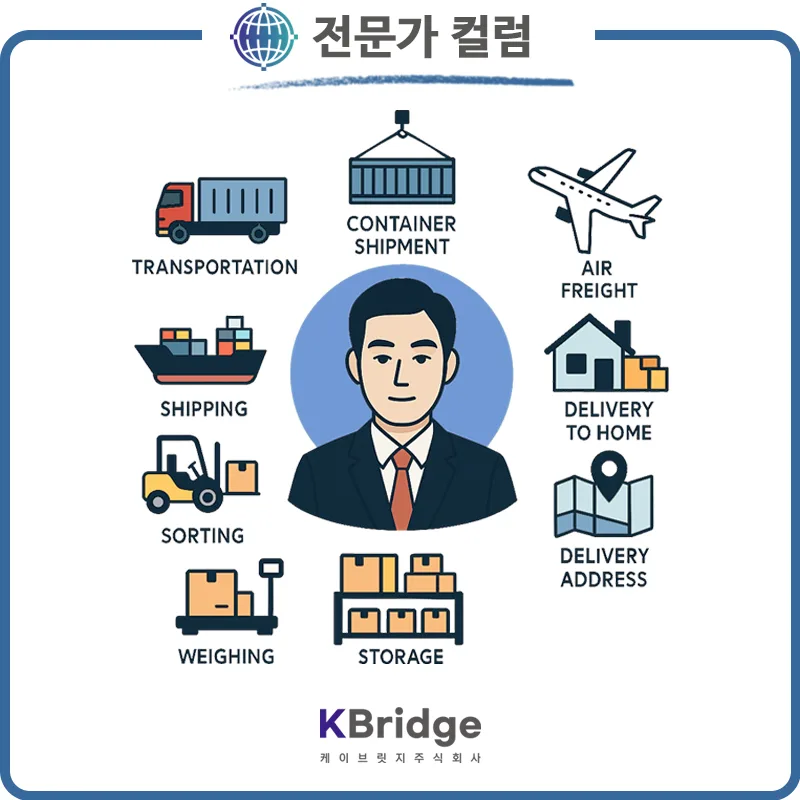
In today's global trade landscape, re-export businesses face a critical challenge: how to maintain their competitive edge as Free Trade Agreements (FTAs) increase transparency. While FTAs reduce trade barriers, they also mandate the disclosure of origin information, potentially undermining the traditional re-export model that thrives on information asymmetry. This guide explores strategies for re-export companies to adapt, ensuring both transparency and information security in the FTA era of 2026.
What is the core competitive advantage of re-export, and why is it being challenged?
For centuries, re-export has played a vital role in international trade by bridging gaps in information, credit, logistics, and finance. It's particularly crucial for small and medium-sized enterprises (SMEs) that may lack the resources or expertise to navigate complex global supply chains independently. Re-exporters manage credit risks, buffer against supply chain shocks, and facilitate transactions across diverse cultural and regulatory environments. However, the expansion of FTAs, such as RCEP and ASEAN agreements, is changing the game. These agreements increasingly require the disclosure of producer and transaction party information on Certificates of Origin (C/O). This shift directly challenges the information asymmetry that has historically been a cornerstone of the re-export business model, potentially encouraging direct deals between buyers and suppliers, bypassing the intermediary. Failure to maintain document consistency and prepare for post-verification audits can lead to customs delays or the loss of preferential tariff benefits.
What are the short-term solutions for maintaining the on-the-ground value of re-export?
To preserve the value of re-export in the FTA era, short-term strategies should focus on the legitimate use of intermediary structures and meticulous document management. Companies can structure transactions to clearly delineate the importer (acting as an intermediary) from the actual shipper and taxpayer, ensuring all activities are documented through clear consignment contracts, payment flows, and proof of delivery. This helps mitigate concerns about fictitious transactions. It's crucial to meticulously manage the metadata of all commercial documents, including invoices, bills of lading (B/L), and Certificates of Origin (C/O), ensuring consistency across the board. Origin documents must be retained for at least five years to prepare for post-verification audits. Implementing a robust document governance system that allows for cross-checking at each transaction stage is essential. This includes synchronizing key information like HS codes, quantities, prices, lot numbers, and Incoterms. Obtaining advance legal interpretations for unusual transaction structures can also enhance legal certainty. These measures are vital for bolstering the credibility of re-export operations and effectively navigating the complexities of international trade regulations.
What are the mid-to-long-term institutional innovations for the sustainable development of re-export?
For re-export to adapt and thrive sustainably amidst evolving FTA regulations, significant mid-to-long-term institutional innovations are necessary. Firstly, the scope of 'connected C/O' systems, which allow for multiple transactions under a single origin certificate, should be expanded and made more flexible across major FTAs like those with the US and EU. This could include permitting re-exports after simple repackaging or minor processing, extending validity periods, and accommodating split shipments or domestic resales. Secondly, the introduction of a 'Selective Disclosure' system, potentially leveraging blockchain technology, could allow for the verification of essential data while protecting sensitive commercial information from general public access, restricting it to regulatory bodies. Thirdly, establishing a dedicated certification system for re-export businesses could grant 'certified re-exporters' streamlined C/O issuance privileges or expedited customs clearance, provided they meet stringent compliance, security, and data control standards. Finally, national guidelines and standardized data schemas for documents and information exchange would provide businesses with greater predictability and clarity, supporting the evolution of re-export into a 'trust design and supply' industry.
What actionable strategies can re-export companies implement immediately?
Re-export companies should immediately focus on three core pillars: structural design, digital and security enhancement, and risk management with compliance. Structurally, standardize a two-tier system of 'importer (agent)' and 'taxpayer (actual principal)' and package it with consignment contracts, payment flows, and delivery proofs. Maintain contingency plans with alternative vendors and customs clearance scenarios to prepare for supply chain disruptions. For digital and security enhancements, implement a Master Data Management (MDM) system for documents like C/Os, invoices, and B/Ls, tracking changes via signatures and hash values. Utilize AI and RPA for automated compliance checks, real-time alerts for FTA eligibility, and detection of document discrepancies. In risk and compliance management, accurately understand the origin determination rules for each FTA and design shipping routes that meet 'direct transport' requirements. Develop Standard Operating Procedures (SOPs) for responding to post-verification audits and maintain a standing task force of legal and customs experts to minimize legal, commercial, and operational risks. These comprehensive efforts are essential for strengthening re-export competitiveness and proactively adapting to future industry changes.
For more details, check the original source below.





