The Suez Moment signifies a historical turning point where a nation loses its global leadership status, originating from the 1956 Suez Crisis. This event marked not just a military setback but a moment of structural dependency confirmation for a declining power. In 2026, the concept of 'Peak America' suggests the US may be approaching its zenith, with 'American Suez Moments' indicating challenges to its unparalleled global dominance.
What is a Suez Moment and How Did It Originate?
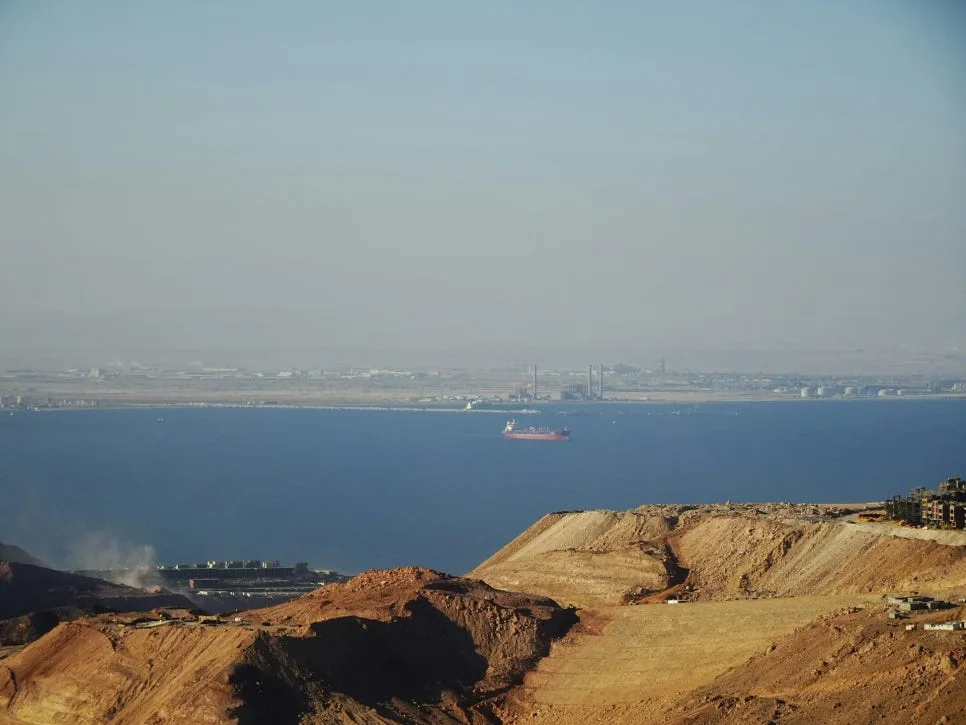
A Suez Moment refers to a historical event that starkly reveals a nation's inability to maintain its position as the world's leader. It's more than a military defeat; it represents a moment where a former great power's will is thwarted on the international stage, confirming a structural dependency on a rising hegemonic power. The term originates from the 1956 Suez Crisis. Following Egypt's nationalization of the Suez Canal, Britain and France, alongside Israel, launched a military operation. However, the United States strongly opposed this, using financial pressure to force a withdrawal. This event made Britain realize it could no longer exert independent global influence, marking its definitive loss of superpower status. This historical incident gave rise to the term 'Suez Moment.'

What Were the Background and Characteristics of the Suez Crisis?
Related Articles
The 1956 Suez Crisis unfolded against a backdrop of decolonization, rising Arab nationalism, and the Cold War. While the influence of empires waned post-WWII, Britain and France attempted to maintain their standing. Egyptian President Nasser, in response to the withdrawal of US funding for the Aswan Dam, nationalized the Suez Canal to assert independence from Western influence. Britain and France feared Nasser's pro-Soviet leanings and the canal's blockade by Israel, which posed a security threat. The crisis's defining feature was how military success translated into political humiliation. Despite tactical victories, the invading powers were forced to withdraw under pressure from the US and Soviet Union, shattering the 'illusion of alliance' for Britain, which discovered its special relationship with the US wouldn't guarantee independent action when national interests conflicted.
What Are the Signs of an American Suez Moment and Peak America?
An 'American Suez Moment' signifies a pivotal event or era marking the end of the US's absolute hegemonic power, a status maintained since the Cold War. Similar to Britain's experience in 1956, it indicates a period where the US struggles to unilaterally impose its will internationally, showing signs of decline due to internal divisions and external challenges. 'Peak America' suggests the nation has reached its economic, military, and cultural zenith and may be entering a phase of decline. These signs can manifest as diminished global influence, deepening domestic political polarization, and widening economic inequality.
Such trends invite comparisons to the fall of the Roman Empire, prompting discussions about whether hegemonic powers follow universal historical patterns.
What Are the Similarities and Differences Between the Decline of the Roman Empire and Modern Hegemonic Powers?
The Roman Empire's decline resulted from a complex interplay of internal and external factors. Internally, political instability, growing economic inequality, the militarization of the army, and excessive military spending weakened the empire. Externally, continuous pressure from groups like the Germanic tribes contributed to its fall. These internal weaknesses echo in modern hegemonic powers: financial strain from overextended military commitments, domestic political fragmentation, and widening economic disparities are timeless vulnerabilities. However, crucial differences exist. Modern powers operate within a vastly more interconnected global economy than Rome ever did. Furthermore, the existence of nuclear weapons creates a unique security environment unlike anything in antiquity. While a direct comparison is difficult, studying Rome's fall offers valuable historical lessons for diagnosing current challenges and anticipating future trajectories.
What Should Be Considered During a Period of Hegemonic Decline?
Periods of hegemonic decline often amplify various risks. Firstly, international order becomes more unstable, increasing the likelihood of regional conflicts and unforeseen crises. Economically, protectionism may rise, and financial markets could experience heightened volatility. Secondly, existing alliances may weaken or realign, further increasing geopolitical uncertainty. Therefore, during such times, it's crucial to exercise restraint in military interventions, prioritize diplomatic efforts, and strengthen domestic economic resilience. International cooperation is essential to address shared threats. For individuals, especially concerning investments and financial planning, it's wise to consider these macroeconomic and geopolitical shifts and proceed with caution. This is not financial advice. Consult a licensed financial advisor.
For more details, check the original source below.