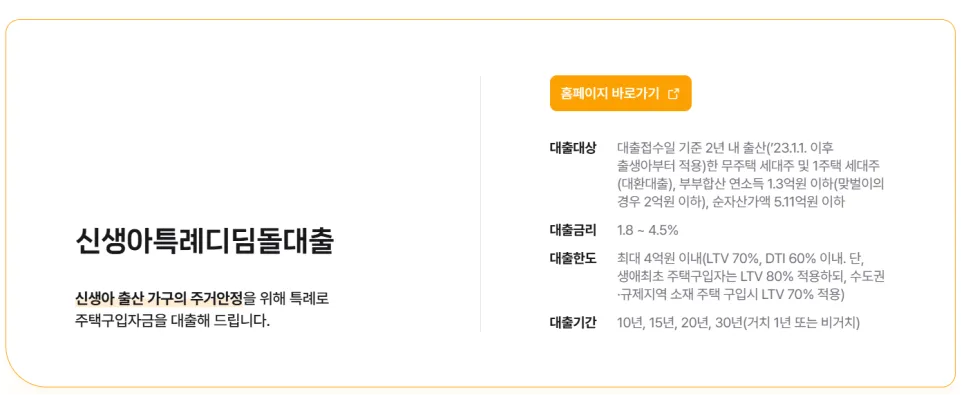
Switching to the Newborn Special Loan isn't always the best financial move. When comparing it to the First Home Loan, you need to weigh the initial 5-year interest savings against long-term rate stability and potential early repayment fees. While the Newborn Special Loan can save you about $160 USD (based on a $350,000 loan) per month in interest for the first five years, its lower rate is only temporary. You also need to factor in the cost of switching loans, making a careful decision essential.
How Much Interest Can You Save with the Newborn Special Loan?
Switching to the Newborn Special Loan can significantly reduce your interest payments for the first five years. For instance, if you have a $350,000 loan and your current First Home Loan rate is 3.8%, while the Newborn Special Loan rate is around 2.7% to 3.0%, you could save approximately $160 USD per month. This amounts to about $1,920 USD annually, which can be a substantial help for families with increasing expenses due to childcare. However, it's crucial to remember that this lower rate is only applicable for the initial five years.
Is the Newborn Special Loan Rate Fixed Long-Term?
The attractive low interest rate on the Newborn Special Loan is only guaranteed for the first five years. After this introductory period, the rate is subject to change, potentially increasing. This means that while you might save money initially, your monthly payments could rise significantly in the future. It's vital for borrowers to consider this potential for future rate hikes and assess how it aligns with their long-term financial planning, especially if they anticipate stable or decreasing income over the life of the loan.
What Are the Fees for Switching from a First Home Loan to the Newborn Special Loan?
Switching your mortgage often comes with fees, and moving from a First Home Loan to the Newborn Special Loan is no exception. Typically, if you repay the loan within three years of its origination, you'll incur an early repayment penalty. For a $350,000 loan, this fee can range from 0.5% to 1%, potentially costing you several thousand dollars. It's essential to get a precise calculation of this fee from your lender before deciding to switch, as it could offset some or all of the initial interest savings.
What's the Best Way to Decide Between These Loans?
The ultimate decision between the Newborn Special Loan and the First Home Loan hinges on your personal financial situation and priorities. If maximizing savings in the first five years is your primary goal, and you're prepared for potential rate increases afterward, the Newborn Special Loan might be appealing. However, if long-term rate stability and predictable payments are more important, sticking with your First Home Loan or exploring other fixed-rate options could be wiser. Carefully consider your income stability, future financial goals, and the total cost over the loan's lifetime, including any switching fees.
For more details, check the original source below.





