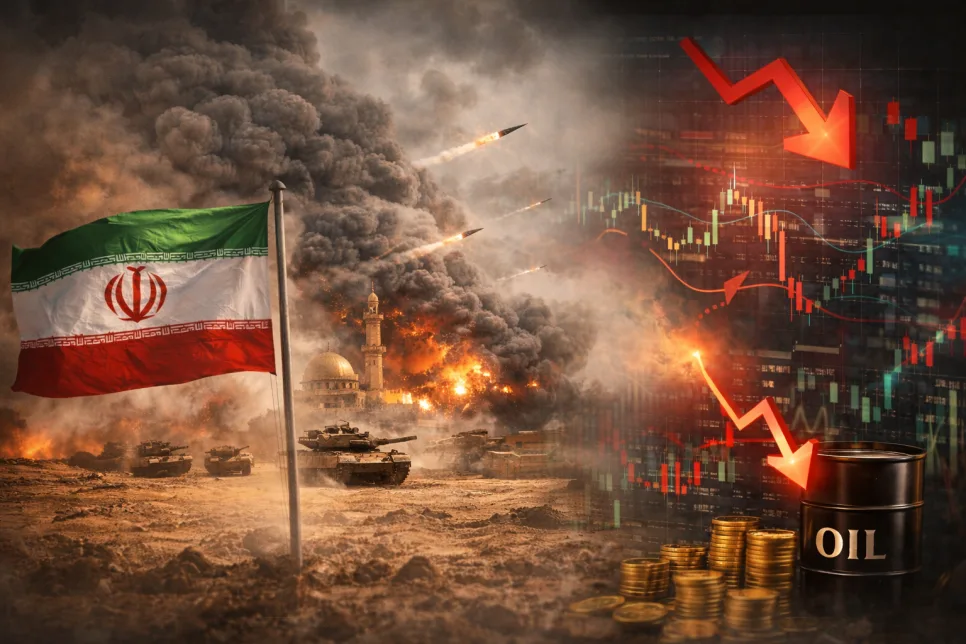
The potential for Iran to blockade the Strait of Hormuz is a critical factor impacting global financial markets. Heightened geopolitical tensions in the Middle East are driving oil price surges and increasing financial market volatility, with significant ripple effects worldwide. The Strait of Hormuz is a vital chokepoint for global oil transport, making any threat of blockade a serious concern for energy supply chains.
Why Iran's Strait of Hormuz Blockade Threat Matters
Iran's recent rhetoric about potentially blockading the Strait of Hormuz signals a peak in geopolitical tensions in the Middle East. This strait accounts for approximately 6% of the world's daily oil transit, making it an indispensable maritime route. A blockade would inevitably lead to a sharp increase in global oil prices and exacerbate inflationary pressures worldwide. Estimates suggest that the current conflict has already disrupted about 6.7 million barrels of oil per day, representing roughly 6% of global supply. Some investment banks warn that oil prices could surge to as high as $150 per barrel in a worst-case scenario. This situation not only threatens the energy market but also amplifies instability across the broader financial landscape.
US vs. Iran Stance: How the Conflict Unfolds
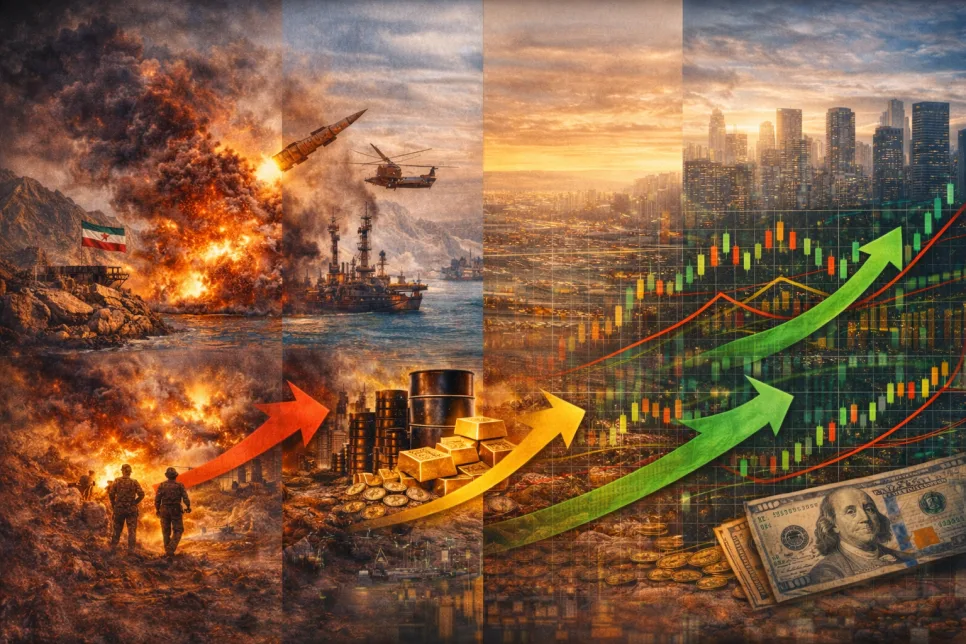
The United States has indicated that its military operations could conclude once stated objectives are met, suggesting a potential for a shorter conflict than initially feared. The White House has implied that if the set military goals are achieved and Iran's military capabilities are sufficiently degraded, the war could end without a formal surrender. However, Iran maintains its refusal to engage in a ceasefire and has explicitly warned of its intent to block oil exports from the Gulf region. Iran's Ministry of Foreign Affairs has issued a stern warning to oil tankers transiting the Strait of Hormuz, urging extreme caution. This divergence in positions between the US and Iran continues to fuel regional instability and is a primary driver of financial market volatility.
Financial Market Reactions to Strait of Hormuz Blockade Risks
The possibility of a Strait of Hormuz blockade is creating complex reactions within global financial markets. While some anticipate a swift resolution to the conflict, others are concerned about ongoing energy supply disruptions. Recently, West Texas Intermediate (WTI) crude oil prices experienced significant drops, while gold prices saw an increase. This trend reflects investor behavior favoring safe-haven assets during periods of geopolitical uncertainty. Market responses have been mixed regionally, with the US S&P 500 index showing a slight decline, while the European Stoxx600 index rose. The dollar index has weakened, and US 10-year Treasury yields have climbed, indicating a multifaceted market sentiment. These fluctuations are partly driven by concerns that rising oil prices could reignite inflation, potentially influencing central banks' interest rate policies.
Future Impact of Middle East Risk on Financial Markets
Global financial markets are currently focused on three key variables concerning the Middle East situation. Firstly, the extent to which the conflict in the Middle East might escalate. Secondly, whether the Strait of Hormuz will face actual transportation disruptions. Thirdly, the impact of rising oil prices on central bank interest rate policies. Specifically, sustained oil price increases could heighten inflation concerns, potentially delaying interest rate cuts or even prompting further tightening measures. This uncertainty is likely to amplify volatility across financial markets. Therefore, developments in the Middle East will remain a crucial factor influencing energy prices and the trajectory of global financial markets moving forward.
For more details, check the original source below.





