Managing finances while unemployed or jobless in 2026 is achievable with smart saving strategies and by leveraging government assistance. By focusing on reducing expenses and utilizing available support, you can navigate uncertain times more effectively.
Why Prioritizing Savings is Crucial for the Unemployed
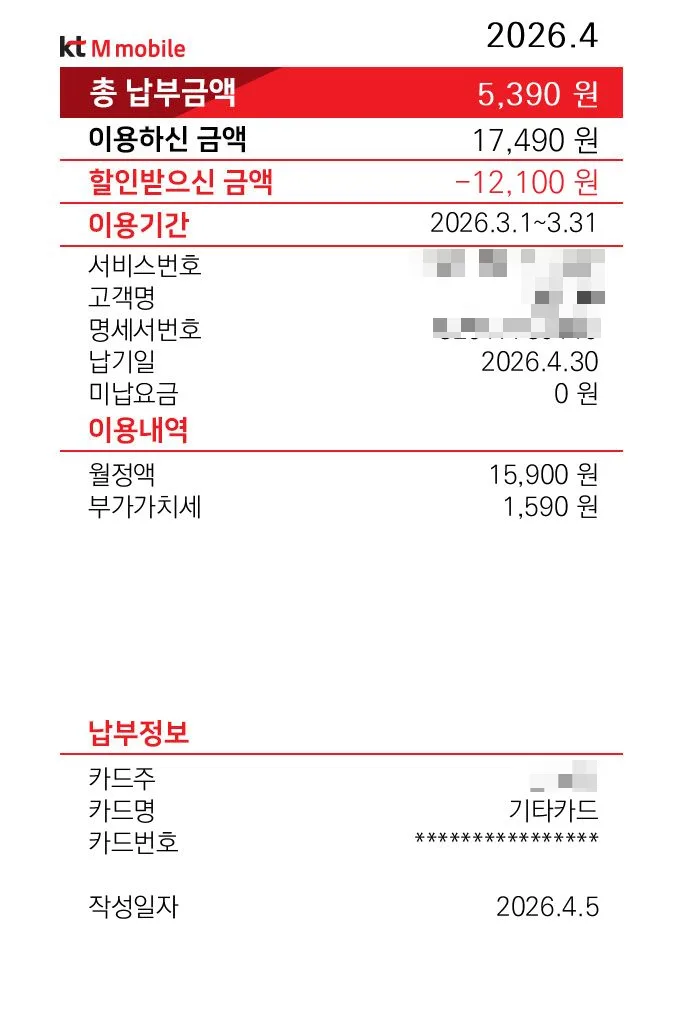
When you're not earning an income, the focus shifts from 'how much can I make?' to 'how much can I save?'. This principle of controlling expenses is fundamental to sound financial management, even for those with high incomes. For the unemployed, cutting fixed costs is the quickest and most impactful way to start. For instance, switching to a budget mobile carrier can save $20-$30 per month, adding up to hundreds annually. Similarly, reviewing and canceling unused subscription services can free up another $10-$20 monthly. These small savings, when accumulated, can make a significant difference in your financial stability during periods of unemployment.
Leveraging Government and Local Assistance Programs
During periods of unemployment, actively utilizing government and local assistance programs is essential. Many regions offer unemployment benefits, job search assistance stipends, and transportation subsidies that can significantly ease living expenses. These programs, depending on eligibility, can provide a consistent monthly income stream, greatly reducing financial stress. Additionally, look into programs that help cover transportation costs for job interviews and other essential travel. Some credit card companies also offer cashback promotions for public transit usage. Maximizing these benefits can substantially lower your out-of-pocket expenses. Information on these programs is typically available on local government websites or through national employment agencies.
Smart Strategies for Reducing Food and Communication Costs
To cut down on food expenses, prioritize home-cooked meals over frequent food delivery orders. Practicing 'fridge-raiding'—using ingredients already on hand—is an excellent way to minimize food waste and save money. Ordering takeout even once a week can often cost more than a few days' worth of groceries. For communication costs, consider switching to a budget mobile carrier, often referred to as 'MVNOs' in the US, which can offer substantial savings, especially if your data usage is moderate. Also, critically assess your subscriptions to streaming services, music apps, and other digital content. Canceling those you don't actively use or need can yield immediate savings. You can always resubscribe later if your needs change, especially if a promotional offer becomes available.
Building Good Financial Habits Through Account Segmentation
To effectively build saving habits, a visual and structured approach to managing your money is key. Consider segmenting your finances by opening 2-3 separate bank accounts. Designate one for daily living expenses, another for an emergency fund, and perhaps a third for specific savings goals. This separation helps in tracking spending more accurately and prevents accidental overspending from your main account. An emergency fund is particularly crucial for unexpected expenses, providing a safety net during uncertain times. Regularly logging your expenses, even small ones, in a notebook or a budgeting app can also build awareness and encourage more mindful spending. Setting 'no-spend days' can also be an effective strategy to curb impulse purchases and reinforce your commitment to saving.
For more details, check the original source below.





