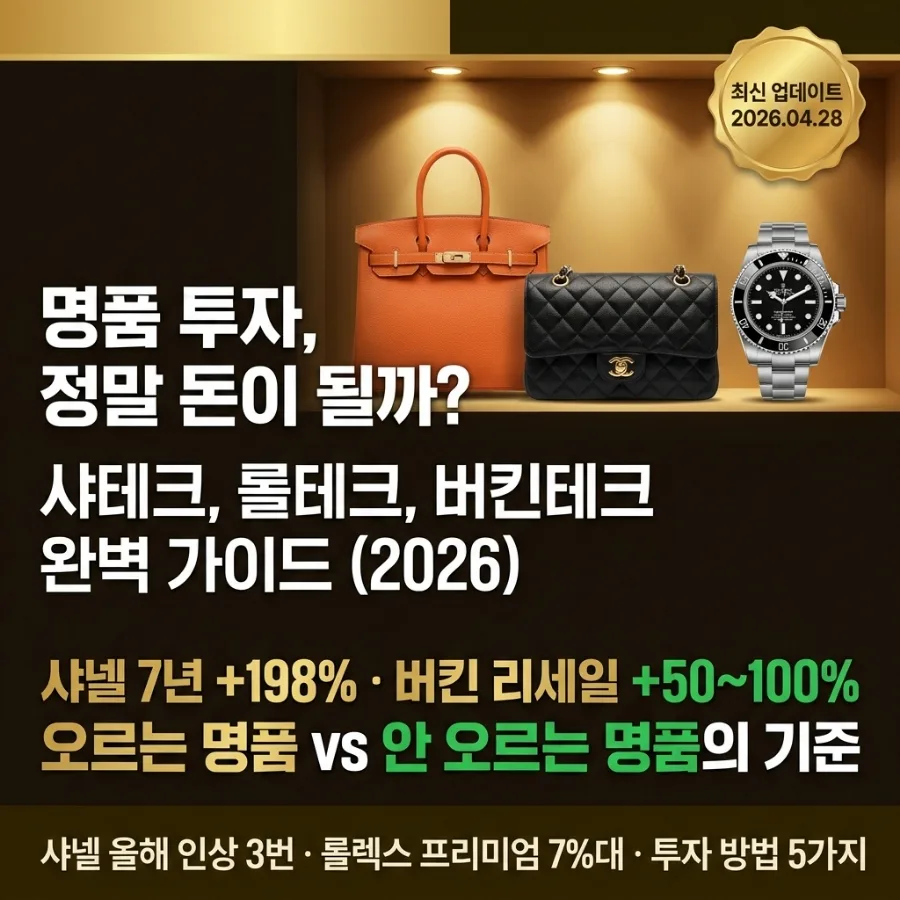
Luxury goods investment remains a compelling strategy in 2026, with certain iconic pieces like the Hermès Birkin bag outperforming the S&P 500 and commanding resale premiums of 50-100% above retail. However, not all luxury items appreciate in value, and a strategic approach is crucial for success. This guide explores the most promising avenues for investing in luxury assets in 2026.
Why Are Luxury Investments Gaining Traction in 2026?
Luxury brands are implementing annual price increases as a standard practice. Hermès typically raises prices by around 5% annually, while brands like Chanel have adopted even more aggressive hikes. In 2026, major brands such as Hermès, Louis Vuitton, and Chanel are expected to continue this trend with New Year price adjustments. Despite these increases, demand remains robust, often fueled by a 'buy now' mentality. This strategy isn't solely driven by rising production costs; it's a deliberate brand-building tactic to maintain exclusivity and enhance their luxury image. As long as this dynamic persists, the value of these luxury assets is likely to continue its upward trajectory. My market analysis indicates that these price hikes are intrinsically linked to the brands' core strategy for elevating their perceived value.
Which Luxury Items Have the Highest Potential for Value Appreciation?
The key to identifying luxury items with strong appreciation potential lies in scarcity, classic design, and pristine condition. Hermès Birkin and Kelly bags, Chanel Classic Flap bags, and Rolex watches like the Submariner and Daytona are prime examples. These items are consistently in high demand and have a limited supply, leading to significant resale premiums. For instance, the Hermès Birkin has historically shown an average annual return of 14-17%, while the Chanel Classic Flap has seen returns around 17%, both surpassing the S&P 500's average historical returns. These figures highlight the potential for luxury goods to serve as a valuable investment class. The consistent price increases by these brands, coupled with their timeless appeal, solidify their status as coveted assets for collectors and investors alike.
What Drives the Price Increases in Luxury Goods?
Luxury brands strategically increase prices to maintain and enhance their exclusive image and brand value. This isn't just about covering rising material or labor costs; it's a calculated move to ensure their products remain aspirational. By limiting supply and consistently raising prices, brands cultivate an aura of rarity and desirability. This scarcity principle is fundamental to luxury marketing, making items like the Hermès Birkin or a sought-after Rolex Daytona even more coveted. For example, Hermès often limits the availability of Birkin bags, making them difficult to acquire directly from boutiques and driving up demand in the secondary market. This controlled scarcity is a powerful tool that fuels long-term value appreciation, ensuring these items remain symbols of status and wealth.
Beyond Direct Purchase: Alternative Luxury Investment Methods
Investing in luxury goods doesn't always require a substantial upfront purchase. Several alternative methods allow participation in the luxury market with lower capital outlay and diversified risk. These include fractional ownership platforms, where you can invest in high-value items like Birkin bags or rare watches with amounts as low as $100. Investing in publicly traded luxury conglomerates like LVMH (owner of Louis Vuitton, Dior, Tiffany & Co.), Richemont (Cartier, Van Cleef & Arpels), or Kering (Gucci, Saint Laurent) offers exposure to the broader luxury sector. Additionally, specialized luxury-focused mutual funds or ETFs provide diversified portfolios of luxury brands. Another avenue is investing in luxury-backed debt instruments, though due diligence on the collateral and lender is paramount. These indirect investment strategies offer accessibility and diversification for those looking to capitalize on the enduring appeal of luxury assets.
What Are the Risks Associated with Luxury Investments?
While luxury investments can offer impressive returns, they come with significant risks. A major hurdle is the high entry barrier; obtaining coveted items like Hermès Birkins or specific Chanel models often requires building a purchase history with the brand or navigating exclusive waitlists, making direct purchase difficult for the average consumer. For instance, acquiring an Hermès Birkin directly from a boutique may necessitate prior purchases of other Hermès products totaling tens of thousands of dollars. Furthermore, the appreciation of luxury goods is not guaranteed. Brands may slow their price increases, as seen with Chanel between 2021-2023 versus 2024-2025, or the resale market might experience corrections, as observed with Rolex prices after their 2021-2022 peak. Storage costs, insurance, and the risk of damage or theft also add to the financial burden. Therefore, a cautious approach, considering individual risk tolerance and market volatility, is essential.
For more details, check the original source below.