
The right to request a lower interest rate on your loan is a consumer's legal power to ask their lender for a reduction when their creditworthiness improves after taking out the loan. In 2026, understanding your eligibility, the application process, and how to respond to rejections is crucial for saving money. This guide breaks down how to leverage this right effectively in the US market.
When Is It Advantageous to Apply for a Lower Interest Rate?
The key to successfully using your right to request a lower interest rate lies in demonstrating that your ability to repay the loan has objectively improved since you initially secured it. For US borrowers, this often means showing a significant increase in income. This could be due to a promotion, a new job with a higher salary, or a substantial raise. Additionally, paying down other debts to reduce your overall debt-to-income ratio, or seeing a notable increase in your credit score without any late payments, can also strengthen your case. The greater the improvement and the clearer the documentation, the more persuasive your request will be to the lender. For instance, a documented annual income increase of 20% or more can significantly boost your chances of approval.
How Do US Lenders Compare on Interest Rate Reduction Acceptance?
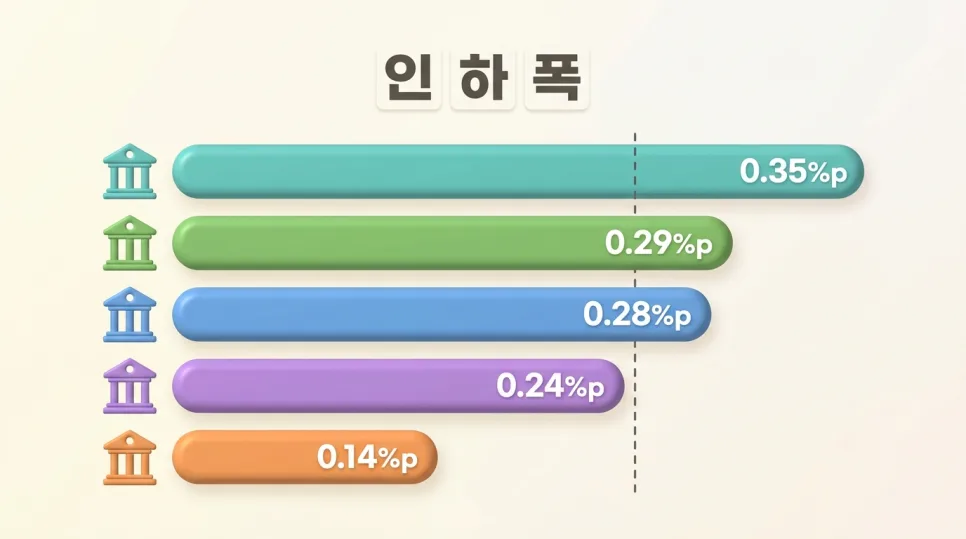
While specific acceptance rates and average reduction percentages can vary between US financial institutions, it's important to understand the general landscape. For example, in the first half of 2025, major banks might have shown differences, with some potentially offering average reductions of 0.35 percentage points while others offered around 0.14 percentage points. This can translate to significant savings on a $50,000 loan over its term, potentially saving you hundreds of dollars annually. However, a lower average reduction doesn't necessarily mean a bank is less favorable; it often reflects different internal assessment criteria. Therefore, it's advisable to apply to all lenders where you hold loans, as each application is assessed individually. You can typically apply easily through your bank's mobile app or website.
What Is the Application Process for Lowering Your Loan Interest Rate?
Fortunately, applying to lower your loan interest rate in the US has become increasingly streamlined. Most major banks allow you to submit your request digitally through their mobile apps or online banking portals. You'll typically select the loan you wish to adjust and indicate the reason for your request, such as increased income or reduced debt. Many institutions utilize data aggregation services to automatically pull necessary documentation like proof of employment and income statements, minimizing the need for you to gather paperwork. After submission, you can expect a decision, usually within 10 business days, communicated via text message or app notification. Some banks may even provide same-day results. Key documents often required include a recent pay stub or tax return and proof of employment.
What Are the Strategies for Dealing with a Rejected Interest Rate Reduction Request?
It's common for interest rate reduction requests to be denied, with acceptance rates often falling between 30% and 40%. Understanding the specific reason for rejection is the first step to formulating a response. If the lender states that the 'lowest possible rate is already applied,' it indicates that further reduction isn't feasible with them. In this scenario, exploring options to refinance your loan with a different lender offering better terms is a practical next step. If the rejection cites 'minimal change in credit status,' it's advisable to wait about six months to a year, focus on further improving your credit score or reducing debt, and then reapply. Some loan types, like certain federal student loans or specific promotional products, may not be eligible for this request. In such cases, investigate alternative loan products or programs that might offer better rates.
For more details, check the original source below.





