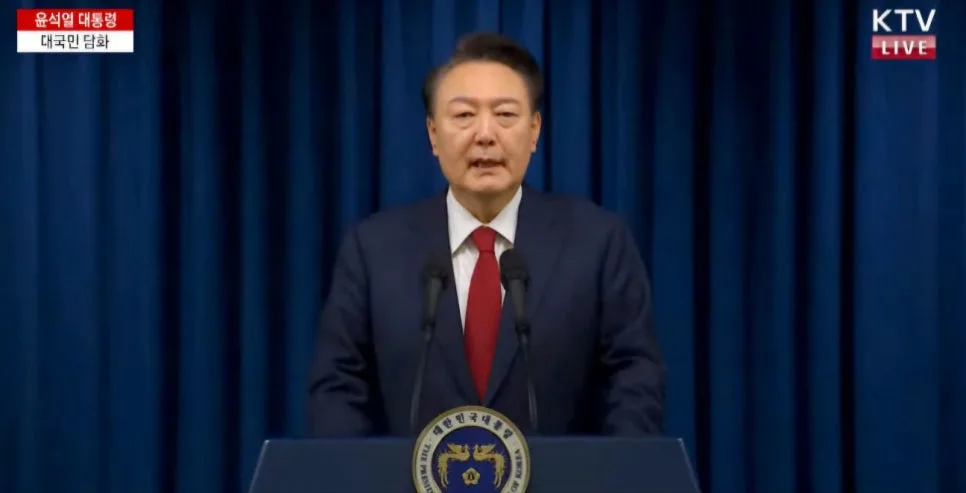
In 2026, the procedures for declaring martial law and impeaching the President in South Korea are governed by strict constitutional requirements. Martial law involves mobilizing the military during national emergencies, while impeachment is a parliamentary process to remove high-ranking officials for serious legal violations. Both are critical actions that can significantly impact national stability, making it essential to understand their specific conditions and procedures.
What Are the Conditions and Procedures for Declaring Martial Law in 2026?
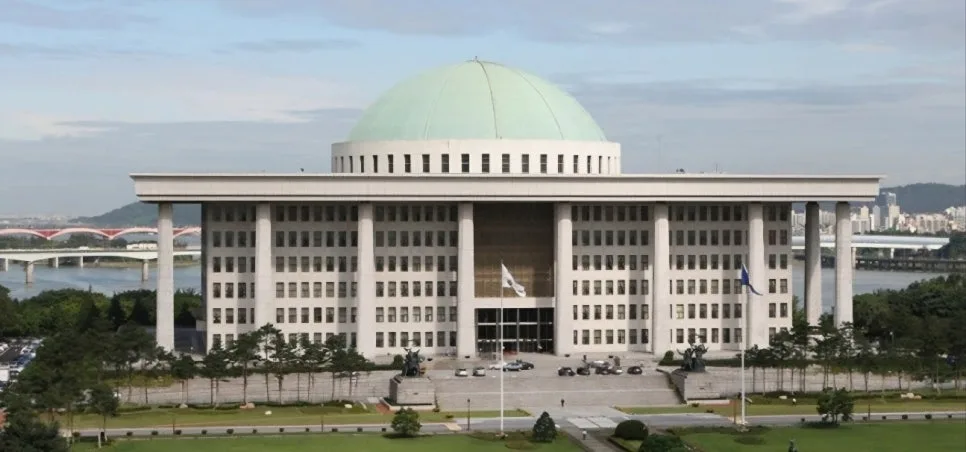
Martial law can be declared by the President during wartime, armed conflict, or similar national emergencies, to address military necessities or maintain public order. This is stipulated in Article 77 of the South Korean Constitution. The declaration requires deliberation by the State Council and must be immediately reported to the National Assembly. If the National Assembly, by a majority vote of its members, requests the lifting of martial law, the President must comply without delay. Under emergency martial law, special measures can be taken regarding arrest warrants, freedom of speech, press, assembly, and association, as well as the powers of government and courts. Past precedents show that clear justification for declaring martial law is crucial, and parliamentary oversight is a mandatory element. Declaring martial law may be an unavoidable measure for national security, but it must be decided with extreme caution due to its impact on citizens' fundamental rights.
What Are the Procedures for Presidential Impeachment and Trial?
Presidential impeachment is a process where the National Assembly initiates charges against a high-ranking official for a significant violation of duty, and the Constitutional Court decides on their removal. An impeachment motion against the President can be proposed with the consent of at least two-thirds of the National Assembly members. The President cannot exercise a veto power against this. Once the impeachment motion is passed, the Constitutional Court conducts an impeachment trial. If at least six of the nine Constitutional Court justices concur, the President is removed from office. During the impeachment trial, the President's duties are suspended, and their fate—whether removal or reinstatement—is determined by the Constitutional Court's decision. The principle of 'double jeopardy' (Ilsa-bujae-ui wonchik) can also apply here, meaning an issue rejected in one parliamentary session cannot be reconsidered in the same session without new evidence. Therefore, if the opposition party attempts to re-initiate impeachment proceedings based on the same grounds after a previous rejection, it could lead to legal disputes regarding this principle. The impeachment process is a vital system for maintaining the stability of the national framework and preventing the abuse of power.
What Are the Relevant Legal Provisions for Martial Law and Impeachment?
The primary legal provisions concerning the declaration of martial law and presidential impeachment are outlined in the Constitution of South Korea. Article 77 of the Constitution specifies the conditions for the President to declare martial law, the procedures involved, and the National Assembly's oversight and request for its lifting. The Martial Law Act further details the types of emergency martial law, declaration requirements, the consultation process involving the State Council and the Minister of National Defense, and the procedures for its repeal. Regarding presidential impeachment, Article 65 of the Constitution addresses the impeachment proceedings and trials for the President, Prime Minister, and other high-ranking officials. Additionally, related laws such as the National Assembly Act provide further details on impeachment procedures. These legal provisions serve as crucial foundations for minimizing chaos during national emergencies, preventing power abuse, and ensuring democratic processes.
What Should Be Noted Regarding Martial Law Declarations and Impeachments?
The most critical point when declaring martial law is ensuring the legitimacy of its conditions. Declaring martial law for purely political reasons or due to exaggerated threats may violate the Constitution and infringe upon citizens' fundamental rights. Therefore, the declaration must be based on a genuine national emergency as defined by law, with clear supporting evidence. Furthermore, the President's willingness to accept parliamentary oversight and requests for lifting martial law is crucial. In impeachment proceedings, procedural legitimacy, such as adherence to the principle of 'double jeopardy,' is paramount. Re-proposing an impeachment motion on the same grounds after its rejection, without new evidence or circumstances, can lead to legal controversy. Ensuring fairness and objectivity during the impeachment trial is also vital, and seeking advice from legal experts can be beneficial. Legal interpretations may vary depending on individual circumstances, making consultation with a professional advisable. This is not financial advice. Consult a licensed financial advisor.
English crawl path
Next English reads from this pilot cluster
Continue through the category hub, latest English stories, and related posts so this translated article is not an isolated URL.
Tags
💬Frequently Asked Questions
What should I check first in Understanding Korean Martial Law & Impeachment 2026?
Does this Finance article link back to the Korean source?
Where can I find similar English stories?
English discovery path
Explore more English K-culture stories
Keep browsing the indexed English pilot cluster so Google and readers can move between this story, the category hub, and fresh discovery pages.
Original Source
Read the Korean original