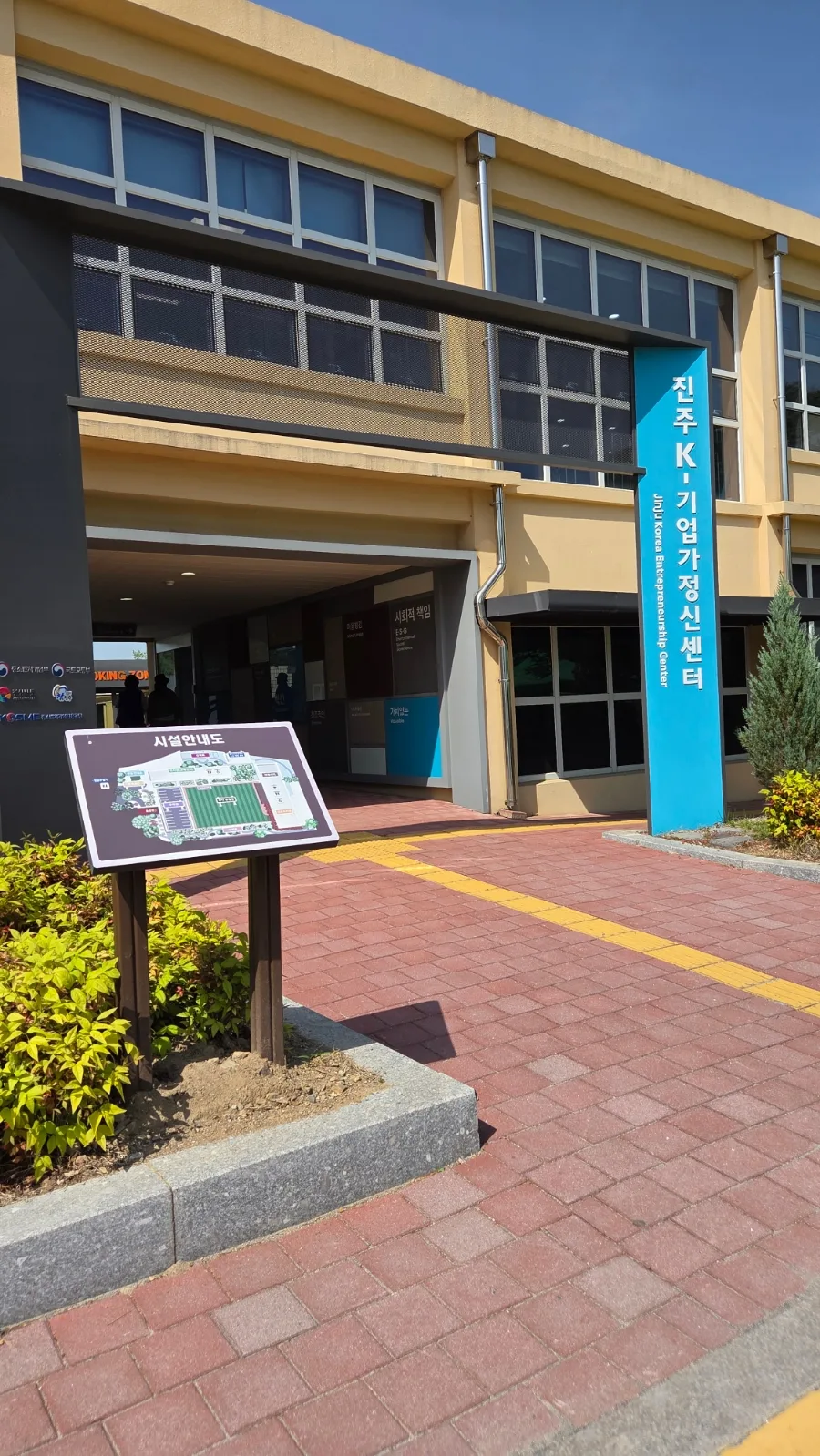
The Jinju Jisumyeon Entrepreneurship Center is a unique destination to explore the roots of Korean entrepreneurship by tracing the footsteps of the nation's leading business magnates. Here, you can vividly experience the management philosophies and historical backgrounds of entrepreneurs who have driven Korea's economy, including those from LG, Samsung, and GS.
Where Are the Roots of Korean Entrepreneurship?
The Entrepreneurship Center, opened in 2022 after remodeling the former Jisumyeon Elementary School in Jinju City, aims to inherit and spread Korean-style entrepreneurship. The first exhibition hall, themed 'The Roots of Korean Entrepreneurship,' introduces the history of Seungsan Village, known as a 'rich village,' and the backgrounds of the founders born here who built major corporations. Particularly intriguing are the birth stories of Samsung's Lee Byung-chul, LG's Koo In-hwoi, and Hyosung's Cho Hong-je, linked to the 'Uiryeong Pot Rock Prophecy.' Furthermore, the spirit of sharing and noblesse oblige exemplified by figures like Heo Man-jeong of Hyoju deeply reflect the true meaning of entrepreneurship. This is the only educational exhibition space in Korea where you can directly see and feel Korean-style entrepreneurship.
How Did the Founders of LG and Samsung Study in the Same Class?
In 1921, when Jisumyeon Public Elementary School opened as a four-year institution, students were assigned grades based on their learning abilities, including those who had previously studied at traditional Korean schools (seodang). LG's founder, Koo In-hwoi, entered as a second-grader. The following year, in 1922, when Koo In-hwoi advanced to the third grade, Samsung's founder, Lee Byung-chul, transferred to the same third-grade class from his aunt's home in Uiryeong to attend school in Jisumyeon Seungsan Village. This connection later became a pivotal moment, with both magnates leaving indelible marks on Korea's economic development. It's a fascinating historical fact that offers a glimpse into the educational methods and student learning environments of the time.
What Are the Main Exhibitions at the Entrepreneurship Center?
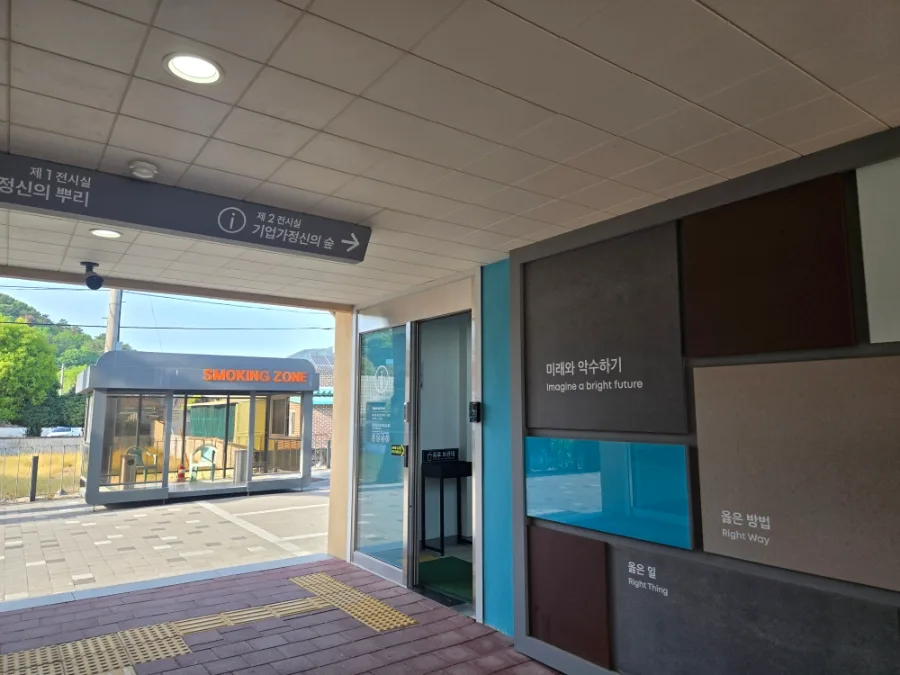
The Entrepreneurship Center is broadly divided into two exhibition halls. The first hall illuminates the history and figures that form the foundation of Korean entrepreneurship. It details the childhoods and growth processes of Korea's representative entrepreneurs, including Samsung's Lee Byung-chul, LG's Koo In-hwoi, and Hyosung's Cho Hong-je, and explores the origins of Seungsan Village, known as a 'rich village.' The second hall chronologically displays the development of Korean industry, from the nascent stages of business in the 1870s, through the Japanese colonial period and post-liberation growth, to the present day. It is structured to provide a comprehensive overview of major companies and industrial changes across different eras.
What Are the 'Rich Pine Tree' and 'Hyoju Garden' Symbolizing Entrepreneurship?
A pine tree encountered upon leaving the Entrepreneurship Center is known as the 'Rich Pine Tree,' said to have been planted and nurtured by Samsung's Lee Byung-chul, LG's Koo In-hwoi, and Hyosung's Cho Hong-je when they were active in the area around Jisumyeon Public Elementary School. Legend has it that taking a photo here brings wealth. Additionally, 'Hyoju Garden' was created by Mrs. Ha Wi-jeong in honor of her husband, Hyoju Heo Man-jeong, who loved his hometown. The garden, divided into nine sections by stone slabs, symbolizes Heo Man-jeong and his eight children. These spaces are more than just monuments; they are symbolic areas that foster a deeper understanding of community and entrepreneurial spirit.
What Should Visitors Be Aware of When Visiting the Entrepreneurship Center?
To enhance your visit to the Entrepreneurship Center, it's recommended to request guided tours or explanations in advance for a richer and more in-depth experience. Seungsan Village, in particular, is a historic village with a 600-year tradition, where the Gimhae Heo clan and the Neungseong Gu clan have lived together for over 300 years, serving as the hometown for many entrepreneurs. When exploring the various birthplaces and related historical sites of these business leaders scattered throughout the village, it's meaningful to reflect on their life philosophies and contributions to the local community. Please note that some birthplaces may not be open to the public regularly, so it's advisable to check their operating status before your visit. Understanding this information beforehand can help tailor your visit to your personal interests and ensure a more fulfilling experience.
For more details, check the original source below.





