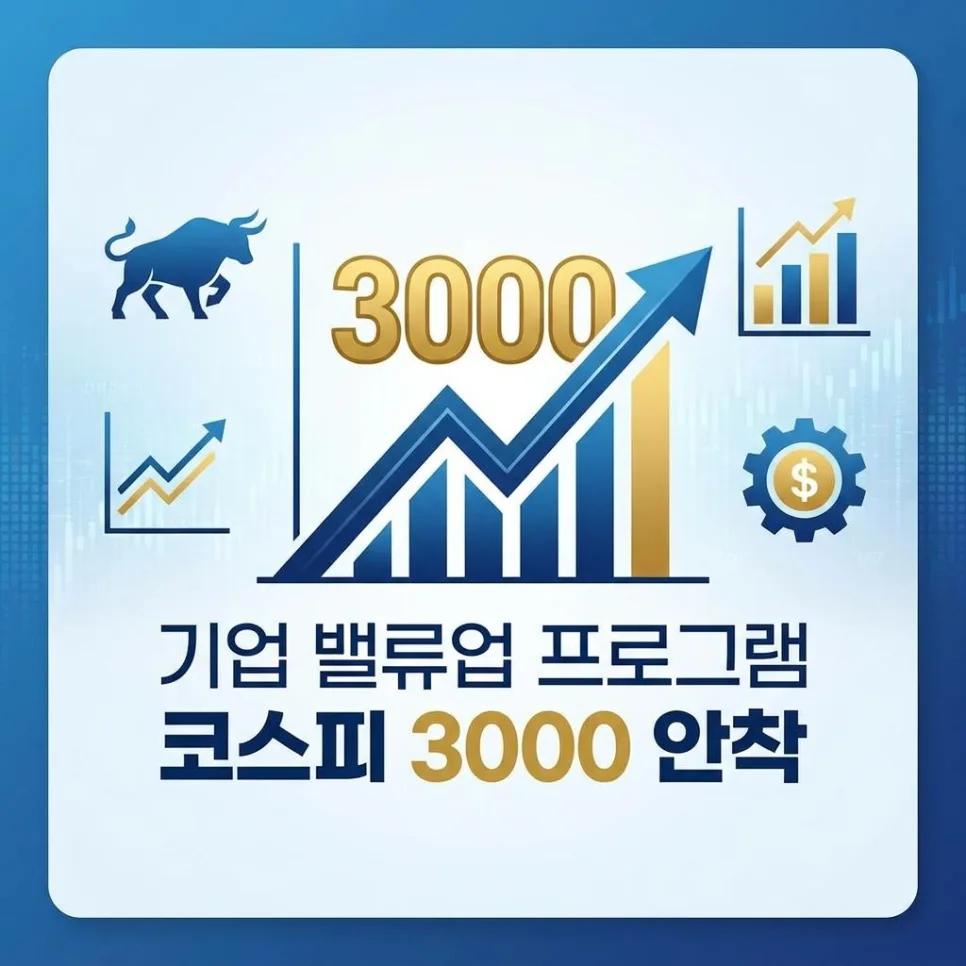
In 2026, companies that don't prioritize stock buybacks and cancellations under Korea's 'Value-Up Program' risk being overlooked by investors. With enhanced shareholder return policies and significant tax incentives on the horizon, only firms demonstrating genuine commitment to shareholder value will be recognized as true market leaders.
What's Driving Korea's Value-Up Program in 2026?
The South Korean government's 'Corporate Value-Up Program' aims to dismantle the 'Korea Discount' by encouraging listed companies to enhance their shareholder return policies. Starting in 2026, investor focus will sharpen on 'stock buybacks and cancellations.' This strategy goes beyond simple dividend payouts; it involves repurchasing shares and then retiring them, fundamentally reducing the number of outstanding shares and thereby increasing earnings per share (EPS). Companies that implement these buyback and cancellation initiatives have historically shown stronger stock performance, signaling a commitment to tangible shareholder value. This practice serves as a crucial indicator of a company's financial health and its dedication to shareholder-friendly governance.
What Tax Benefits Can Investors Expect?
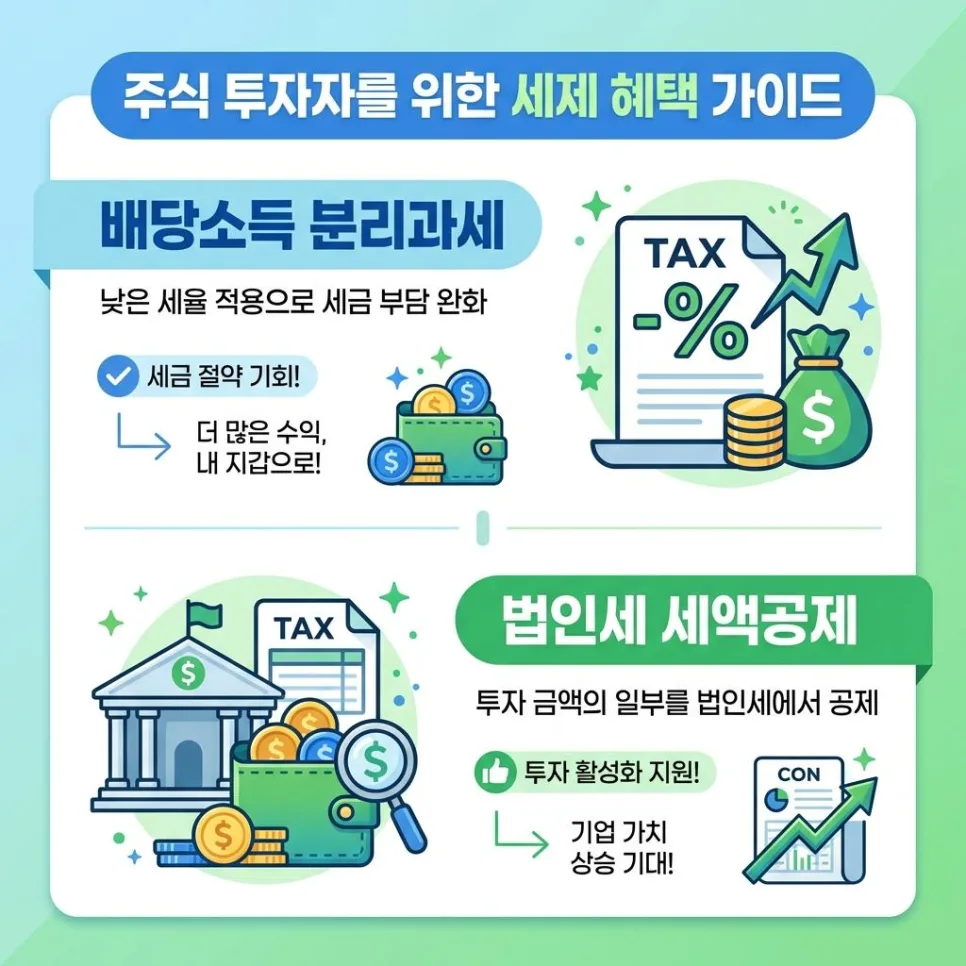
As part of the Corporate Value-Up Program, investors are set to receive substantial tax benefits. The most anticipated is the 'separate taxation of dividend income,' which will significantly lower the tax burden on dividends from companies with enhanced shareholder returns. This is expected to boost retail investor participation and encourage steady capital flow into the stock market. Furthermore, companies that substantially increase their shareholder returns compared to their average over the past three years will be eligible for corporate tax credits. These proposed tax reforms, pending legislative approval, could act as a powerful catalyst for stock price appreciation. The progression of these tax reforms through the National Assembly is a critical factor to monitor.
How Will the 'Korea Value-Up Index' and ETFs Impact the Market?
The South Korean government plans to launch the 'Korea Value-Up Index,' which will track companies demonstrating strong profitability and superior shareholder return performance. The introduction of Exchange Traded Funds (ETFs) that follow this index is expected to attract significant passive investment from institutional investors, such as pension funds, and foreign capital into the domestic stock market. Currently, sectors like automotive and finance, known for their robust cash flow and low Price-to-Book (PBR) ratios, are frequently cited as key beneficiaries within investor communities. The launch of the index is anticipated to trigger substantial shifts in market supply and demand. Coupled with the revision of the Stewardship Code, which mandates institutional investors to rigorously assess corporate efforts, the synergistic effect is expected to be amplified.
Beyond Stock Buybacks: What Else Should Investors Consider?
While stock buybacks are crucial for building investor confidence, they are not the sole determinant of a company's value. A company's genuine efforts to enhance capital efficiency and foster a culture of shareholder respect are equally, if not more, important. Some experts caution that if tax reforms are delayed, stocks that have surged solely on speculative anticipation might face a downturn. Therefore, investors must conduct a comprehensive analysis of a company's financial health, dividend policies, and specific plans for share repurchases and cancellations to gauge its sincerity. Identifying companies likely to be included in the 'Korea Value-Up Index' and monitoring the movements of ETFs tracking it can also be a sound strategy. Ultimately, companies that successfully combine sustainable long-term growth with dedicated shareholder value enhancement will emerge as the true market leaders.
What Are the Key Considerations for Participating in the Value-Up Program?
While the Corporate Value-Up Program presents a positive outlook, there are important aspects requiring careful consideration. The primary concern is the potential for a sharp decline in stock prices if the proposed tax reforms fail to pass the National Assembly, especially for stocks that have already risen based on speculative interest. Investors must closely monitor the legislative progress of these policies. Additionally, while certain low-PBR stocks are being highlighted as beneficiaries, not all such stocks are guaranteed to rise. It's essential to analyze a company's fundamental business and growth potential alongside its PBR. Investment strategies may vary based on individual risk tolerance and financial goals, so consulting with a financial professional for personalized advice is recommended. Prudent investment requires looking beyond speculative trends and focusing on a company's long-term value and growth prospects.
English crawl path
Next English reads from this pilot cluster
Continue through the category hub, latest English stories, and related posts so this translated article is not an isolated URL.
Tags
💬Frequently Asked Questions
What should I check first in Korea's Value-Up Program 2026: Stock Buybacks & Investor Benefits?
Does this Finance article link back to the Korean source?
Where can I find similar English stories?
English discovery path
Explore more English K-culture stories
Keep browsing the indexed English pilot cluster so Google and readers can move between this story, the category hub, and fresh discovery pages.
Original Source
Read the Korean original





