
A factory sale netting a $1.6 million profit is making headlines, but what's the real story? We dive into the unusual circumstances surrounding a factory that, after struggling to sell for nearly a year, was abruptly sold for $3.2 million just two weeks after a government audit. This rapid transaction has raised questions about market forces versus external influences.
What's the Truth Behind the $1.6M Profit & Rapid Factory Sale?
This factory property, acquired through a public auction in 2019 for approximately $1.1 million, languished on the market for nearly a year, failing to attract any buyers despite numerous listings. Reports indicate it faced operational issues, including overdue electricity bills, pushing it close to a 'non-sale' status. The sudden, rapid sale that followed is highly unusual and has captured the attention of market observers. Such a dramatic shift from prolonged stagnation to a quick sale is rare, especially for industrial properties.
How Did the Factory Sell So Quickly After the Audit?
Remarkably, the factory found a buyer just fifteen days after specific allegations were raised during a government audit in October 2024. The entire process, from initial contact to the signing of the contract, payment of the deposit, and even the appointment of a new representative and company name change, happened at lightning speed. The final sale price was approximately $3.2 million, and any trace of the previous seller vanished. This accelerated timeline is a stark contrast to typical real estate transactions, suggesting factors beyond standard market dynamics were at play.
What Factors Contributed to the $1.6M Profit?
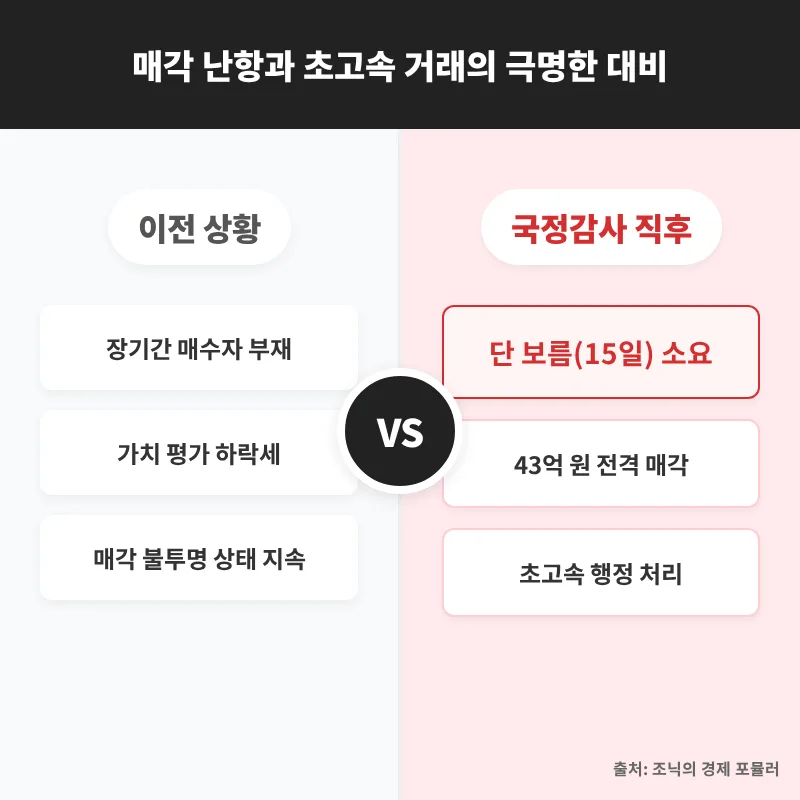
The seller is estimated to have realized a significant profit of around $1.6 million, based on the 2019 auction acquisition price of roughly $1.1 million and the recent $3.2 million sale. The fact that a property, which struggled to sell for so long, was suddenly transacted at a substantial profit raises many questions. This outcome is difficult to explain solely through conventional market trends and economic principles.
What's the Potential for 'Outside Influence' in This Real Estate Deal?
The unusual speed of the sale, its timing immediately following a government audit, and mentions of 'Yongsan' and 'Presidential Office official' in recorded conversations strongly suggest influences beyond typical market forces. While the seller denied any direct contact with the Presidential Office, the recorded conversations and the rapid transaction timeline create a suspicious narrative. Furthermore, reports indicate that the religious group Shincheonji internally instructed members to donate approximately $1.1 million for the factory's purchase. These non-market factors likely played a significant role in the deal.
What Should You Watch Out For in Such Rapid Transactions?
This case highlights that real estate deals can involve complex, non-market factors alongside standard economic principles. When a distressed property is suddenly sold, generating a large profit, it's crucial to investigate the underlying reasons. There may be undisclosed complex interests at play. For personal investment decisions, it's essential to consider these potential external influences and abnormal transaction practices, approaching such opportunities with caution.
For more details, check the original source below.





