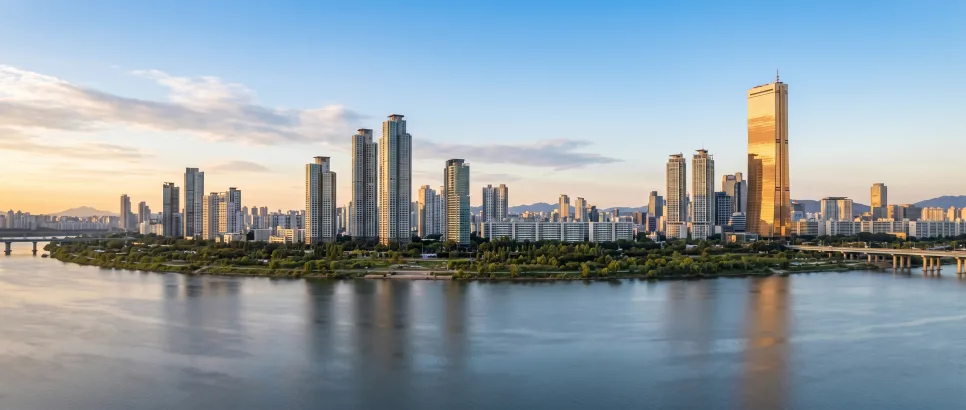
In 2026, Korea's apartment price cap, known as the 'Bunyangga Sanghanje,' will apply to specific areas, including private housing developments in Seoul's Gangnam, Seocho, Songpa, and Yongsan districts, as well as all public housing sites. This policy aims to make homeownership more accessible by capping new apartment prices at 20-40% below market rates, but it also introduces restrictions like resale bans and mandatory residency periods, potentially impacting new construction supply.
What is Korea's Apartment Price Cap and Where Does it Apply in 2026?
The 'Bunyangga Sanghanje' (분양가 상한제) is a government regulation designed to prevent excessive price hikes in new apartment developments. First introduced for public housing in 2005, it was later expanded to private developments. Its primary goals are to stabilize the housing market and protect first-time homebuyers. As of April 2026, this price cap is enforced on private housing in four Seoul districts: Gangnam, Seocho, Songpa, and Yongsan. It also applies to all public housing developments, such as those in the '3rd New Towns' initiative, regardless of location. However, certain types of housing, like urban lifestyle homes, units for reconstruction cooperative members, and developments with fewer than 30 units, are exempt. The final sale price is calculated by combining land costs, basic construction expenses, and additional construction costs.
What Are the Benefits of Korea's Apartment Price Cap?

The most significant advantage of the price cap policy is the opportunity for aspiring homeowners to purchase a new apartment at prices 20-40% lower than the prevailing market rates. For example, in April 2026, an apartment in Seoul's Seocho district subject to this cap saw its first-priority subscription competition rate reach an all-time high of 1,099:1, largely due to the substantial potential for price appreciation compared to neighboring properties. This policy helps curb the cycle of rising housing prices and expands the chance for individuals with limited funds and no existing property to secure a home. The government intends for this measure to foster a more stable housing market and safeguard the interests of genuine buyers.
What Are the Drawbacks of Korea's Apartment Price Cap?
Buyers who secure apartments under this price cap face several restrictions, including mandatory resale bans and residency requirements. As of April 2026, resale bans can last up to 3 years (with potential relaxations), and while residency requirements can be deferred for up to 3 years, re-subscription bans are in place for 10 years in the Seoul metropolitan area and 5 years in other regions. A more significant concern is the potential dampening effect on the overall housing supply. When developers' profit margins are squeezed by low price caps, they may delay or abandon reconstruction and redevelopment projects, leading to a long-term shortage of new homes and potentially driving up prices. Discussions around introducing a 'housing bond bidding system' to recoup profits from capped sales are also gaining traction in early 2026, signaling potential market shifts.
What Should You Check Before Applying for a Price-Capped Apartment in Korea?
Before applying for an apartment under the price cap, it's crucial to carefully review several factors. First, determine whether the development is on public or private land, as this affects the specific regulations. Second, understand the exact duration of the resale ban and any mandatory residency periods, including potential deferrals. Third, reassess your family's overall home-buying strategy in light of these restrictions. The official sales notice will detail the breakdown of land, construction, and indirect costs used to calculate the capped price. Thoroughly examining this information and aligning it with your personal financial plan is essential before making a decision. This is not financial advice. Consult a licensed financial advisor.
For more details on Korea's price cap, check the original source below.





