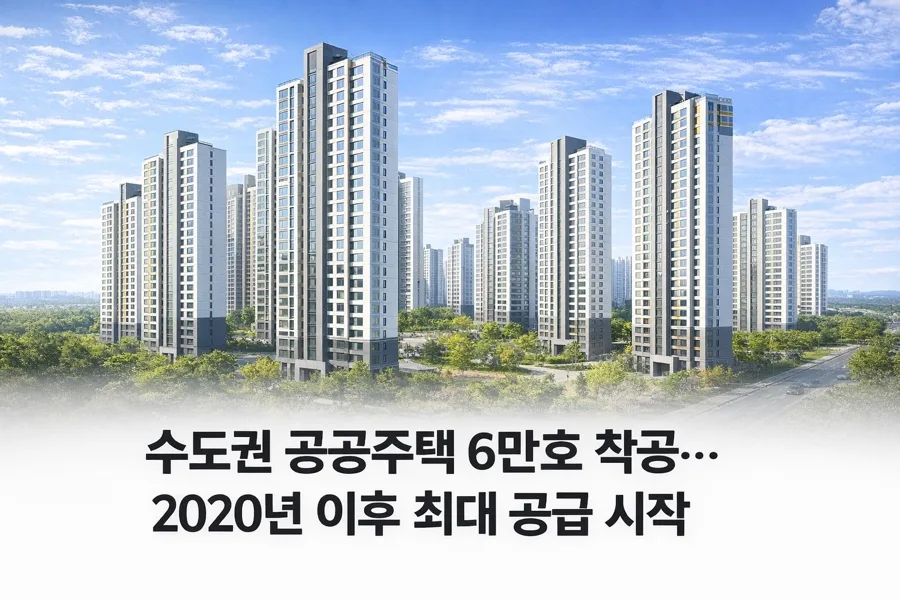
South Korea is set to begin construction on 62,000 public housing units in 2026, marking the largest supply increase since 2020. This initiative aims to address housing shortages in the Seoul metropolitan area and is expected to have a significant impact on the real estate market. The plan includes major developments in the '3rd New Towns' and other key regions, with a focus on accelerating construction timelines.
Where Will the 62,000 Public Housing Units Be Built in 2026?
In 2026, approximately 62,000 public housing units are slated for construction in the Seoul metropolitan area, representing the most substantial supply increase since 2020 and more than double the average of the last five years. A significant portion, 18,200 units, will be developed within the '3rd New Towns' (like Namyangju Wangsuk and Hanam Gyo-san). Other key areas receiving public housing include Seongdwi Village in Seoul (900 units), Naksaeng and Bokjeong in Seongnam, and Dongtan 2 District. The Ministry of Land, Infrastructure, and Transport is implementing strategies to expedite construction, such as streamlining administrative procedures and resolving bottlenecks. For instance, the Hanam Gyo-san district's construction start was advanced by up to three years by resolving power line issues through temporary relocation. Similarly, the Namyangju Wangsuk district saw its construction start date shortened by over a year through negotiations with Korea Electric Power Corporation (KEPCO). The Incheon Gye-yang district is also expediting infrastructure development, including roads and utilities, by up to 12 months through a dedicated coordination committee to ensure timely completion.
How Will Increased Public Housing Supply Affect Home Prices?
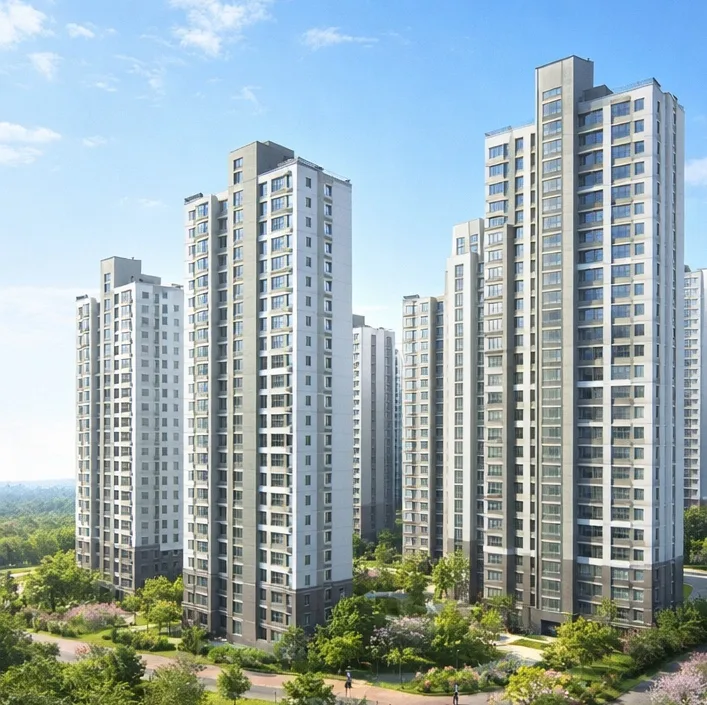
The expansion of public housing supply is anticipated to contribute to housing price stabilization in the long term. A substantial increase in units could influence both the rental and sales markets. However, it's crucial to understand that construction starts do not immediately translate to available housing; actual move-in dates are typically several years away. Therefore, the impact on market stabilization is expected to be more pronounced in the medium to long term rather than short-term fluctuations. Furthermore, areas surrounding the 3rd New Towns and those with planned transportation infrastructure improvements are likely to see enhanced living environments over time. Nevertheless, housing prices are influenced by a complex interplay of factors, including interest rates, demographic trends, and government policies, making it difficult to attribute price stability solely to increased supply.
What Should Investors Consider Regarding Public Housing Expansion?
The expansion of public housing supply in the Seoul metropolitan area is a critical factor for the real estate market and investment strategies. For those considering real estate as an investment, it's vital to assess whether this increased supply will genuinely stabilize prices or if demand will continue to outpace it. This assessment requires a comprehensive analysis of various elements, including interest rate trends, demographic shifts, and the direction of government policies. The 2026 public housing construction plan serves as a key indicator for understanding future real estate market dynamics. Savvy investors should leverage such policy changes to analyze market trends, moving beyond short-term price fluctuations to adopt a broader perspective that incorporates policy direction and supply plans.
English crawl path
Next English reads from this pilot cluster
Continue through the category hub, latest English stories, and related posts so this translated article is not an isolated URL.
Tags
💬Frequently Asked Questions
What should I check first in Korea's 2026 Public Housing Plan: 62K Units to Stabilize Market?
Does this Finance article link back to the Korean source?
Where can I find similar English stories?
English discovery path
Explore more English K-culture stories
Keep browsing the indexed English pilot cluster so Google and readers can move between this story, the category hub, and fresh discovery pages.
Original Source
Read the Korean original