
To grasp Howard Marks' core investing philosophy, especially his emphasis on second-level thinking and value investing, this guide breaks down the essential principles with 2026 insights. Learn the secrets to investment success and how to avoid common pitfalls.
How to Train Your Second-Level Thinking Like Howard Marks?
Howard Marks champions 'second-level thinking' as crucial for investment success. This goes beyond the superficial, first-level thought of 'a good company is a buy.' Instead, it involves deeper analysis, like considering 'everyone thinks this is great, but it's now overvalued, so I should sell.' For instance, investors who bought Samsung Electronics at its 2021 peak might have faced significant losses if they stuck to a first-level mindset. However, those employing second-level thinking recognized market overheating, decided to sell, and realized profits relatively quickly. In real estate, simply buying because 'it's likely to go up' isn't enough; a second-level approach requires understanding the property's intrinsic value and analyzing market conditions comprehensively. Like Warren Buffett, who avoids investing in areas he doesn't fully understand, developing second-level thinking requires continuous interest and dedicated effort.
What's the True Meaning of Value Investing?
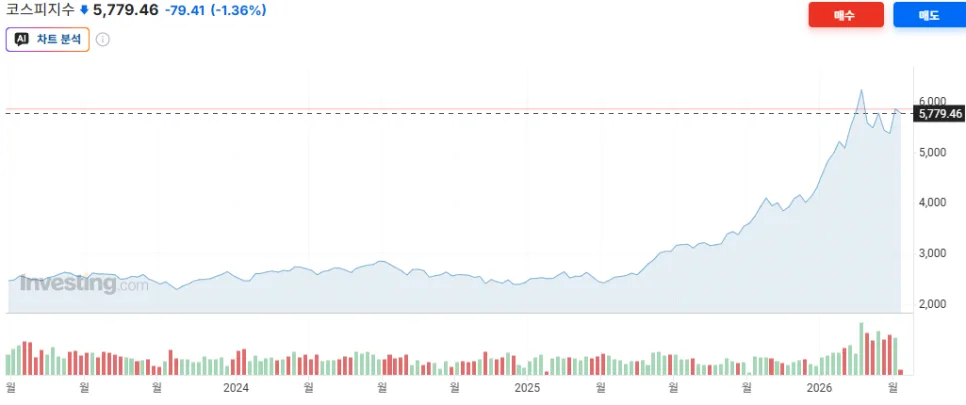
Value investing is more than just assessing an asset's intrinsic worth and buying it when it's undervalued. A true value investor needs unwavering conviction that can withstand periods without immediate returns. Many investors grapple with whether they are value or growth investors, making it vital to clarify your investment style. For example, when buying an apartment in Seoul, you must ask yourself if you're buying solely because 'it seems like it will rise further' or because of the property's inherent value. Growth investors might react strongly to short-term market fluctuations, while value investors need long-term patience. As the adage goes, 'being too far ahead of your time can be as dangerous as being too far behind,' patience and belief in the long-term value of an asset are key to success in value investing.
What's the Secret to Outperforming the Market with Value Investing?
The essence of value investing lies in employing 'second-level thinking' to diverge from general market expectations. This requires not just possessing more information, but a higher-order ability to interpret and apply it. Investors must deeply understand their investments and maintain a cool head, unaffected by market euphoria or panic. Furthermore, as a value investor, a long-term perspective and the patience to ignore short-term price swings are essential. Sticking to your investment principles while continuously learning and reflecting is the secret to achieving above-market returns.
What Are Common Mistakes in Value Investing?
A frequent error among value investors is the first-level trap of buying an overvalued asset simply because it's a 'good company.' Many also get swept up in market trends without a clear understanding of whether they are value or growth investors. Panicking during short-term losses and 'averaging down' or selling prematurely out of fear are also common missteps. Remember the adage, 'being too far ahead of your time can be as dangerous as being too far behind.' Instead of chasing immediate gains, it's crucial to believe in the intrinsic value of an asset and maintain a long-term outlook. Cultivating the habit of asking yourself, 'Can I maintain second-level thinking about this investment?' before making decisions can help prevent these mistakes.
For more on Howard Marks' investment philosophy, check the original source below.