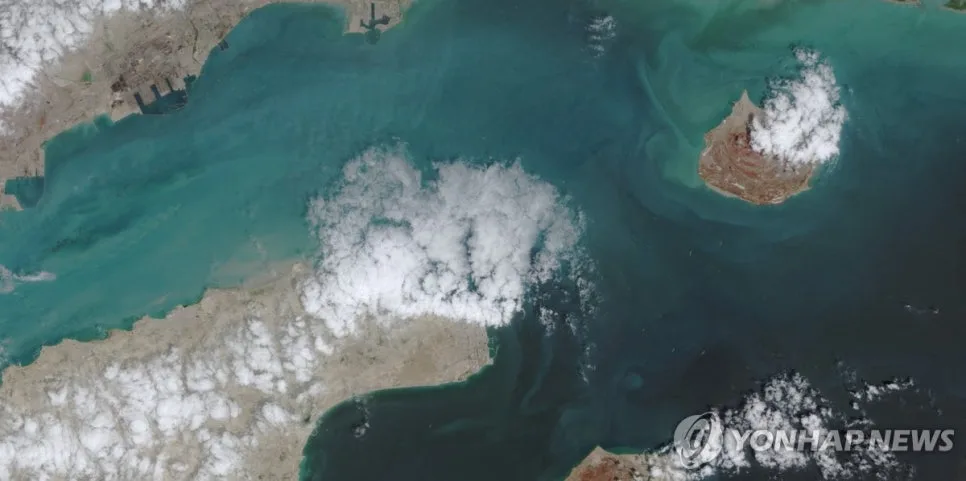
The possibility of a Hormuz Strait blockade is once again raising concerns about its potential impact on the global economy. Analysis suggests Iran's assertive response could trigger oil price surges and financial market instability. In 2026, we'll examine the specific effects of this geopolitical risk on the South Korean economy.
Hormuz Strait Control, Oil Prices, and Geopolitical Risk
Iran's Supreme Leader has officially declared a strong response against the US and Israel, reigniting fears of Hormuz Strait control and potential oil tanker attacks. This stance, a reversal from earlier statements about keeping the strait open, signals a dangerous escalation from mere tension to a high-stakes cycle of negotiation, conflict, and further negotiation. Historically, periods of heightened tension in the Middle East have led to a confluence of soaring oil prices, declining global stock markets, and increased inflation. Iran's military actions can be seen not just as a military confrontation, but as a strategic economic maneuver. This could directly influence future fluctuations in international oil prices.
Hormuz Strait Blockade: Impact on the South Korean Economy
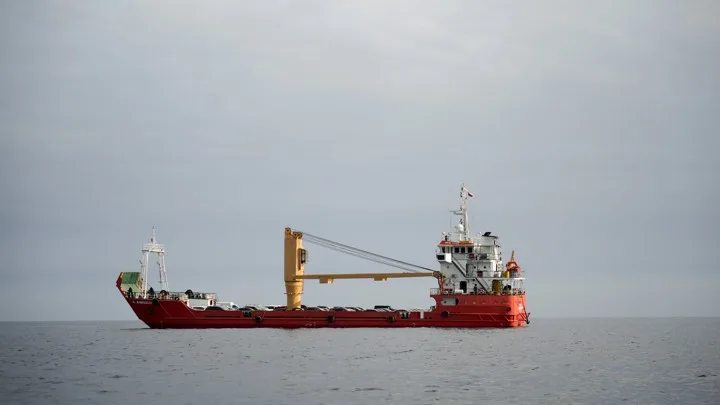
The Hormuz Strait is a critical maritime route, handling approximately 20% of global oil transport. Any disruption or blockade would immediately lead to a sharp increase in international oil prices. South Korea, heavily reliant on oil imports, would face a direct impact: rising fuel costs, increased manufacturing expenses, and significant inflationary pressure. In the current climate of persistent high inflation, an energy shock could drastically increase living costs for ordinary citizens. Furthermore, financial markets might see a surge in demand for safe-haven assets like gold and the US dollar, alongside increased stock market volatility. While the aviation and logistics sectors could suffer, energy companies, particularly those in refining and LNG, might benefit. These multifaceted economic repercussions could place a considerable burden on the entire South Korean economy.
Iran's Hormuz Strait Strategy: What's the Real Motive?
The current Iranian actions regarding the Hormuz Strait are widely analyzed as more than just military threats, pointing to complex diplomatic and economic calculations. Many experts believe this is a strategic move to maximize negotiation leverage and pressure the United States, thereby enhancing Iran's international standing. By using control over the strait as a bargaining chip, Iran can exert economic influence. This strategy inevitably amplifies volatility in international oil prices and related financial markets, serving as a crucial factor in future negotiations.
Future Scenarios for the Hormuz Strait Situation
The escalating tensions surrounding the Hormuz Strait could unfold in three primary scenarios. First, a de-escalation scenario, where negotiations resume, the strait is normalized, and oil prices stabilize. Second, a limited conflict scenario, characterized by intermittent attacks, leading to sustained oil price increases and market volatility. This is currently considered a highly probable outcome. Third, a full-scale conflict scenario, resulting in a global economic shock. The likelihood of the limited conflict scenario is currently assessed as the highest.
For more details, check the original source below.