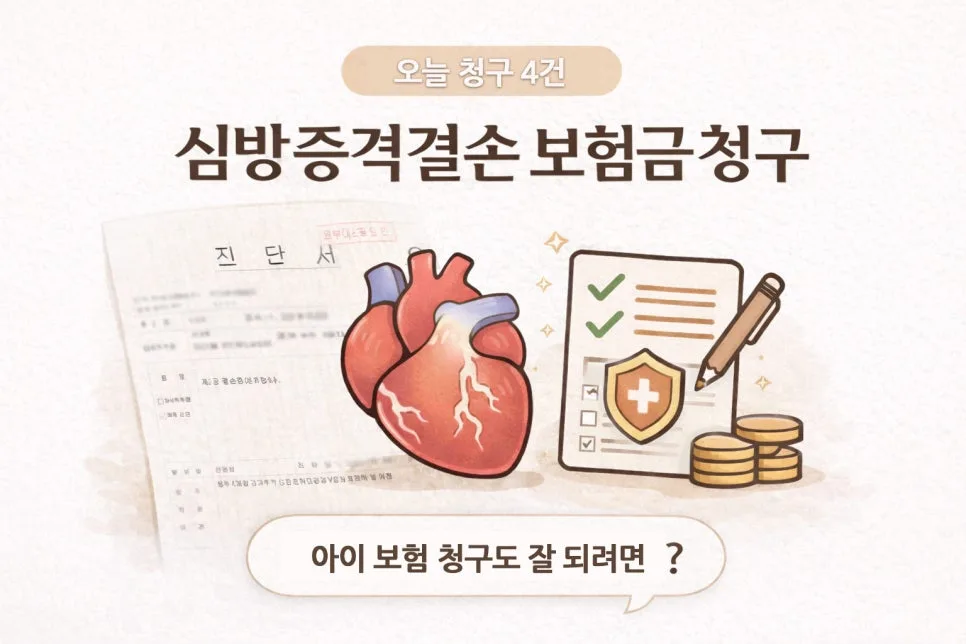
When claiming fetal insurance for an Atrial Septal Defect (ASD) diagnosis, the most critical factors are the accuracy of the diagnosis, whether the condition occurred after the policy's coverage start date, and the timing of the initial diagnosis. Meeting these three criteria can lead to insurance payouts for ASD diagnosed after birth.
How to Claim Fetal Insurance for Atrial Septal Defect (ASD) in 2026
If your child is diagnosed with an Atrial Septal Defect (ASD) following a heart murmur examination after birth, you can claim benefits through your fetal insurance policy, provided it includes coverage for congenital heart conditions. Based on actual claim experiences, submitting documents such as a diagnostic report, medical receipts, and detailed statements can lead to insurance payouts. The specific payout amount will vary based on your individual policy details, so it's essential to confirm this when you initially sign up. Many parents worry about whether a specific diagnosis is covered, but if the coverage scope and requirements are met, you can certainly receive compensation.
Top 3 Points for ASD Claims with Fetal Insurance
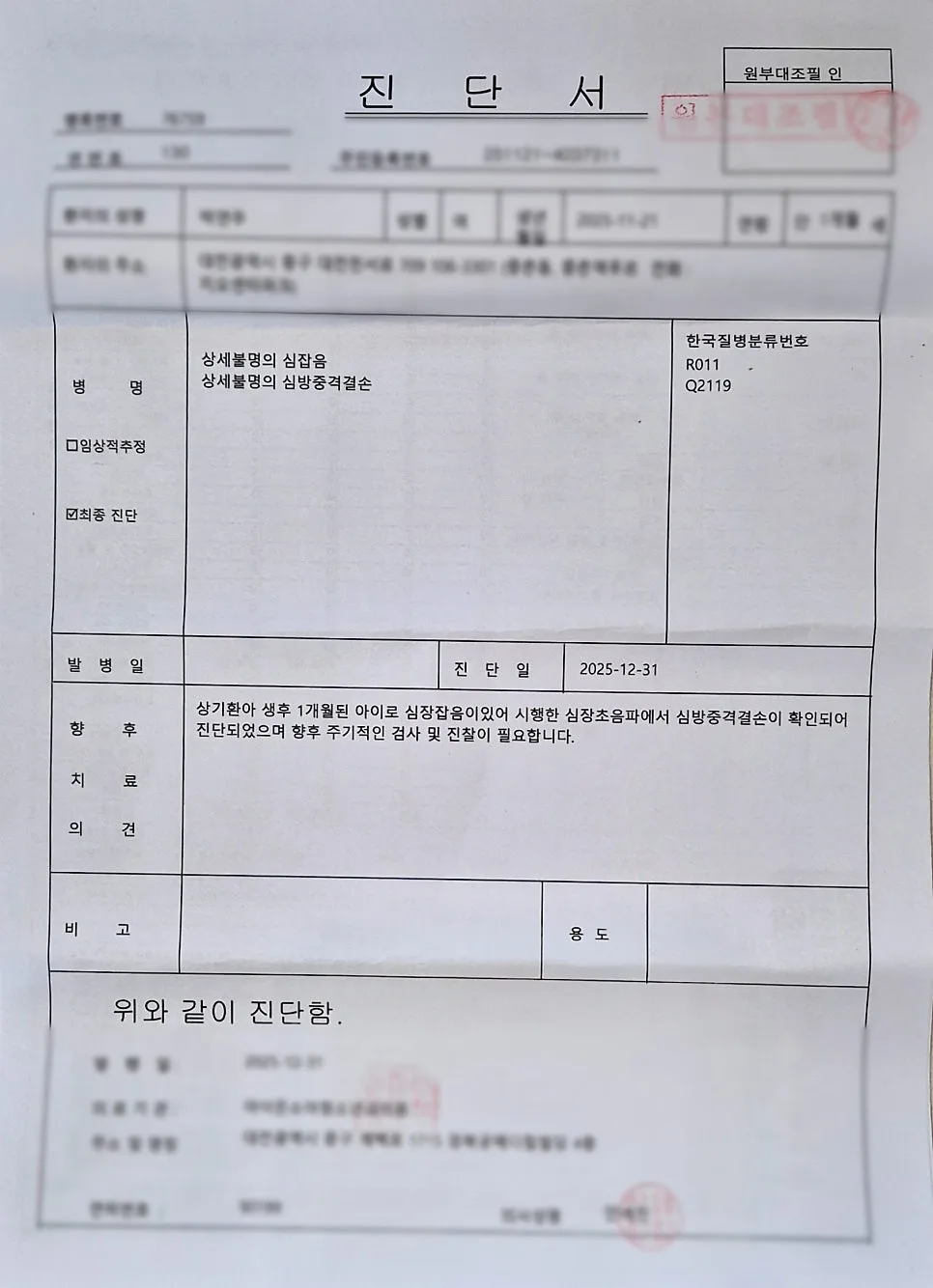
When filing an ASD claim with fetal insurance, there are three paramount points to consider. Firstly, the accuracy of the diagnosis is crucial; the doctor's diagnostic report must clearly state 'Atrial Septal Defect.' Secondly, the timing of the initial diagnosis matters significantly – it must be confirmed after the policy's coverage start date. Thirdly, it's essential that the condition occurred after the coverage began. Particularly with fetal insurance, the enrollment date and the coverage start date can differ, making it imperative to verify these details before filing a claim. Understanding these requirements beforehand can help reduce confusion during the claims process.
What Parents Need to Know After an ASD Diagnosis
It's natural for parents to feel concerned upon receiving an ASD diagnosis for their child. A primary question that arises is, 'Can I claim this on my insurance?' Based on real claim experiences, if your fetal insurance policy included coverage for congenital heart conditions at the time of enrollment, insurance payouts are possible. The necessary documents for a claim typically include the diagnostic report, medical receipts, and detailed statements, which are used to verify if the policy's coverage requirements are met. If the claims process feels overwhelming or if you're uncertain about coverage eligibility, it's wise to seek professional advice rather than making assumptions. You can receive clear guidance on document preparation and the potential for your child's diagnosis to be covered.
Common Mistakes When Claiming Fetal Insurance for ASD
A frequent mistake when claiming fetal insurance for an ASD diagnosis is overlooking the relationship between the coverage start date and the diagnosis timing. Fetal insurance policies are often purchased during pregnancy, but coverage typically begins after birth. If the diagnosis occurs before the coverage start date, the insurance payout may be denied. Additionally, it's important to confirm that the diagnosis stated in the medical report aligns with the coverage details outlined in the policy. If you're unsure, contacting your insurance provider or a professional before filing a claim is recommended to obtain accurate information. Being aware of these potential pitfalls can help prevent unnecessary disputes and ensure a smoother claims process.
For more details, check the original source below.





