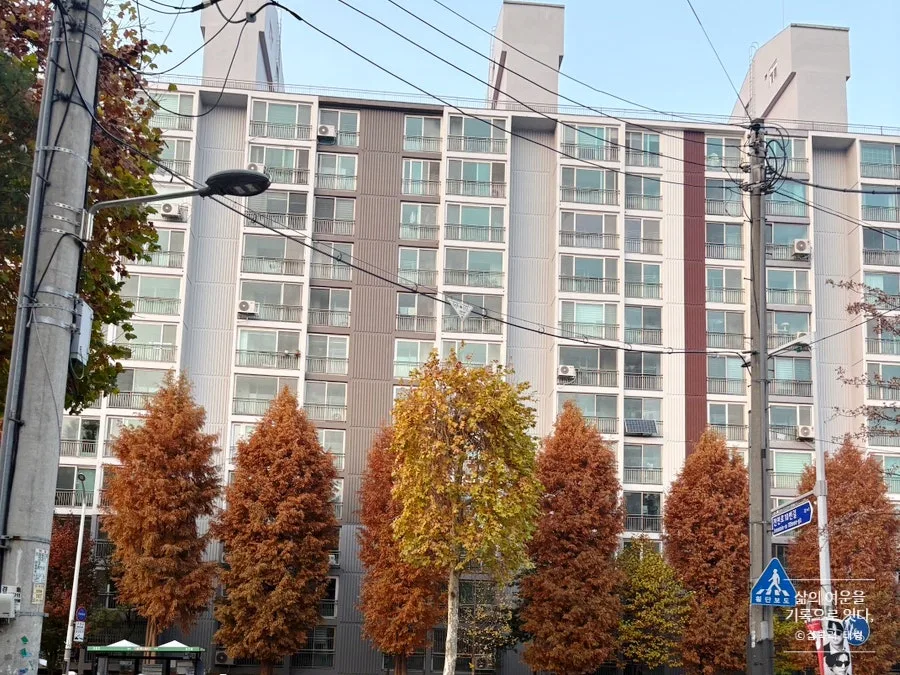
In 2026, understanding the differences between central and individual apartment heating systems is key for US residents considering a move or seeking to optimize their home comfort and costs. Central heating supplies heat from a single source to all units, while individual heating relies on a boiler within each apartment. The choice between them impacts heating bills, temperature control, and maintenance responsibilities, with neither being universally superior.
What's the Difference Between Central and Individual Heating?
Apartment heating systems in Korea, and increasingly relevant for US apartment dwellers, primarily fall into two categories: central heating and individual heating. Central heating systems generate heat in a communal boiler room and distribute it to every unit. This setup is common in older apartment complexes or large developments. A key characteristic is that residents have limited control over when heating starts or stops for the entire complex. Individual heating, on the other hand, features a dedicated boiler in each apartment, allowing residents to control their own temperature and heating schedule. This is the prevalent system in newer Korean constructions and offers more personalized climate control. These systems differ significantly in how heating bills are calculated, the flexibility residents have, ease of maintenance, and even the perceived warmth within the apartment.
Which System Saves More on Heating Bills and Offers Better Control?
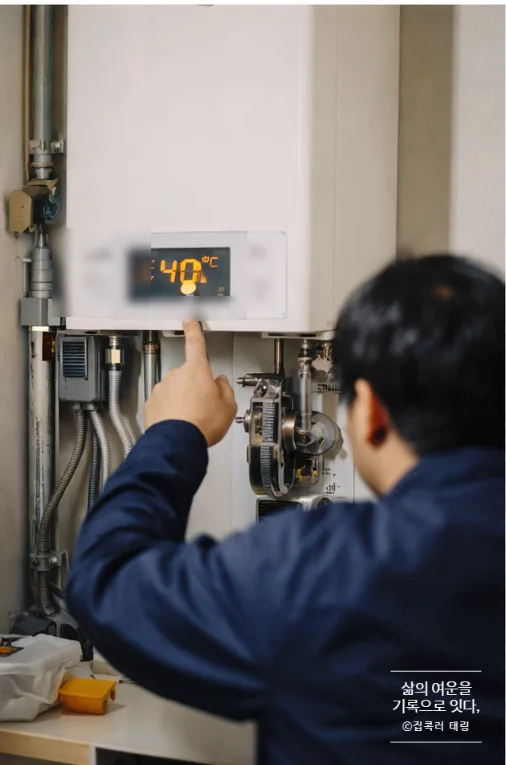
When it comes to saving money on heating, individual heating systems generally have an edge. Individual heating bills are typically based on actual usage, meaning you only pay for the heat you consume. This can lead to significant savings, especially during warmer months or if you spend a lot of time outside the home. Central heating systems, however, may have a fixed base rate or a less precise usage-based calculation, potentially leading to higher bills even if you use less heat. Control is another major advantage for individual heating. You can turn your heat on or off whenever you like and often adjust the temperature room by room. Central heating operates on a complex-wide schedule, which can be inconvenient during transitional seasons like spring and fall when you might feel too cold but the central system isn't yet active or has already shut down. This flexibility makes individual heating a better fit for those with unpredictable schedules or who prefer precise temperature management.
How Do Maintenance and Perceived Warmth Differ?
Maintenance responsibility is a key differentiator. With central heating, the building management or a dedicated service handles boiler maintenance and repairs for the entire complex. This means less direct hassle for individual residents, as they don't need to worry about their own boiler breaking down or scheduling maintenance. Individual heating systems require each resident to be responsible for their boiler's upkeep, including regular check-ups and potential repair costs. For those who prefer not to deal with mechanical issues, central heating offers a more hands-off approach. Perceived warmth can also vary. Central heating can sometimes lead to uneven temperatures across different units or even within a single apartment, with units closer to the central source or on middle floors often feeling warmer than those on the top floor or at the building's edges. Individual heating, by allowing direct control, generally leads to more consistent and satisfactory indoor temperatures tailored to the resident's preference.
Pros and Cons of Central vs. Individual Heating
Central heating isn't without its benefits. The lack of individual boiler maintenance and the consistent heat supply can be appealing, especially for older residents or those who are home most of the time, as the building rarely gets truly cold. However, the lack of granular control and potentially less accurate billing can be significant drawbacks. Individual heating offers superior control and potentially lower bills based on usage, but residents must be prepared for the responsibility of boiler maintenance and potential repair expenses. When choosing an apartment, it's crucial to consider your personal lifestyle, how sensitive you are to heating costs, and your comfort level with managing home systems. Understanding these factors will help you select the heating system that best suits your needs.
For more details, check the original source below.





